



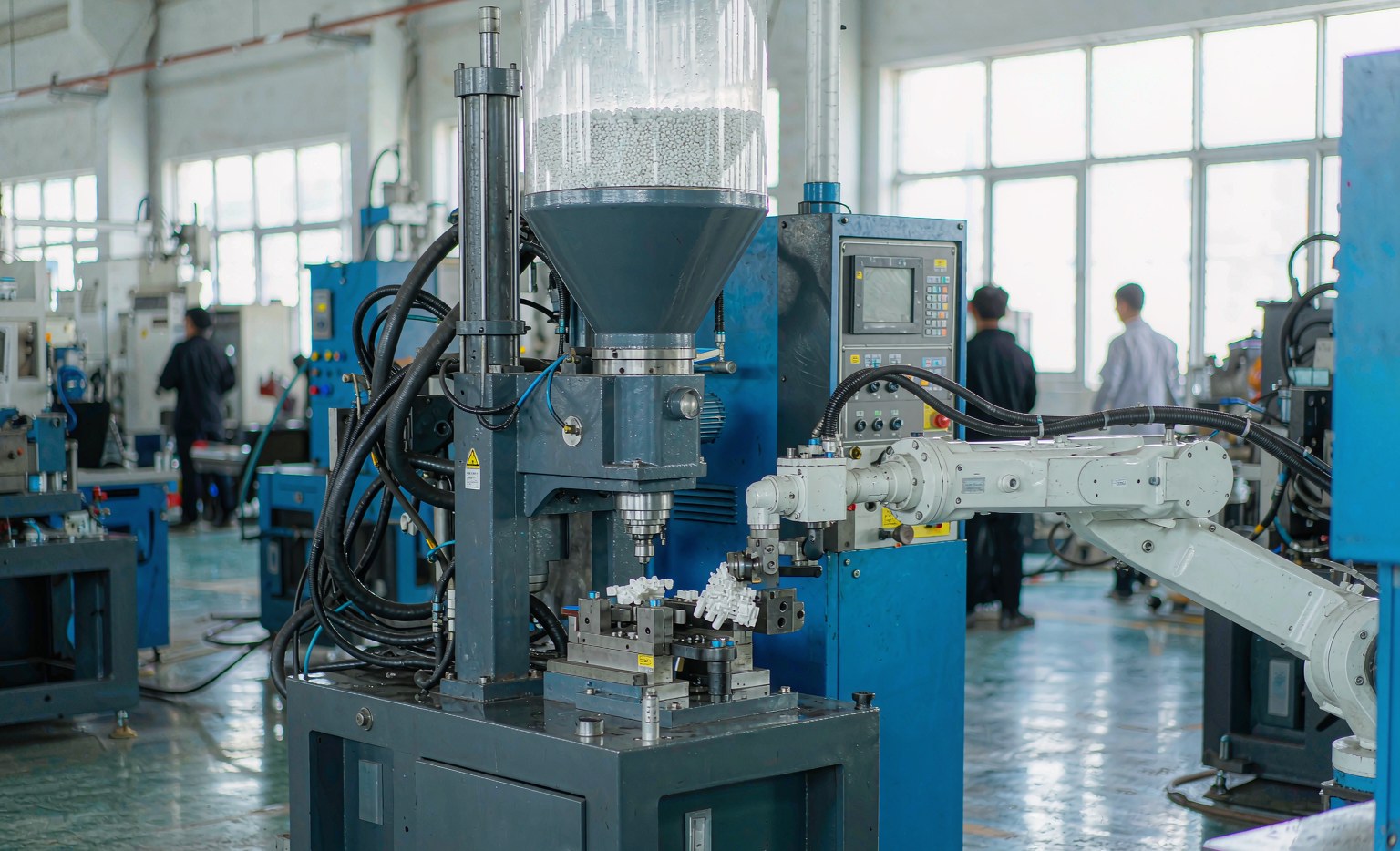
The plastic injection molding process can produce parts that meet a buyer’s design and production needs when the part definition, material grade, mold, process and acceptance plan are agreed together. For an OEM buyer, a useful RFQ describes the finished part and its function; a generic resin-family table or machine-size estimate cannot replace project-specific supplier data.
This guide explains what to define before comparing quotes, how to review design for manufacturability (DFM), and what to approve during tooling trials and production handover.
What happens during a typical molding cycle?
A typical thermoplastic cycle includes closing the mold, filling the cavity, packing or holding material as it cools, cooling the part, opening the mold and ejecting the part. The controls and timing depend on the resin grade, part geometry, mold design, machine and production requirements. Ask the supplier to describe the proposed process for the actual part rather than relying on a generic cycle-time claim.
Define the part and its use before choosing a resin
Start with the approved 3D model, drawing and intended application. Record the functions the part must perform, how it assembles with other components, the surfaces visible to users, the destination market and expected production demand. Identify which dimensions, fits, appearance requirements and performance characteristics are critical to acceptance.
Specify the exact resin grade and material variant, not only a family such as PP, ABS or PA. Grade, reinforcement, additives, colour, recycled content, conditioning and supplier recommendations can affect processing and part behaviour. Request the current technical data for the proposed grade, including its processing guidance and any use-specific declarations needed for the project.
Do not copy one family-wide melt-temperature or shrinkage number into an RFQ as a setpoint. Where shrinkage or process limits affect tool design, have the part designer, molder, toolmaker and material supplier agree the applicable assumptions for the selected grade and part geometry.
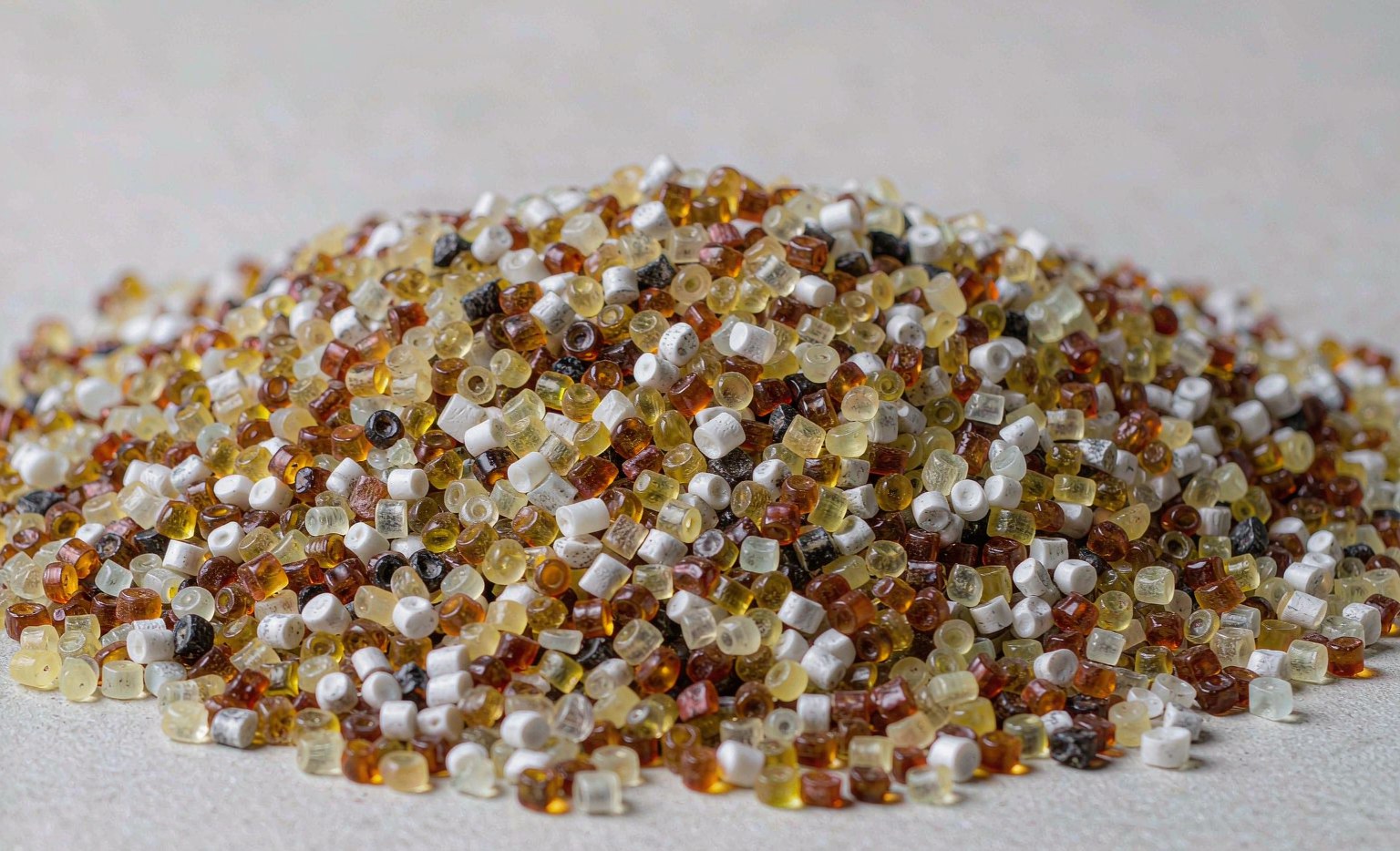
For an overview of common resin families, see the ABS, PP and PC comparison. Choose a grade against the real mechanical, thermal, appearance, regulatory and cost requirements for the part.
Use DFM to resolve design and tooling questions early
Ask the molding supplier to review the part model before the tool is released. The DFM review should identify design decisions that affect manufacturability, function, appearance, tooling complexity or inspection.
- Wall transitions, ribs and bosses: review changes in section and support features against the part’s strength, appearance and cooling needs.
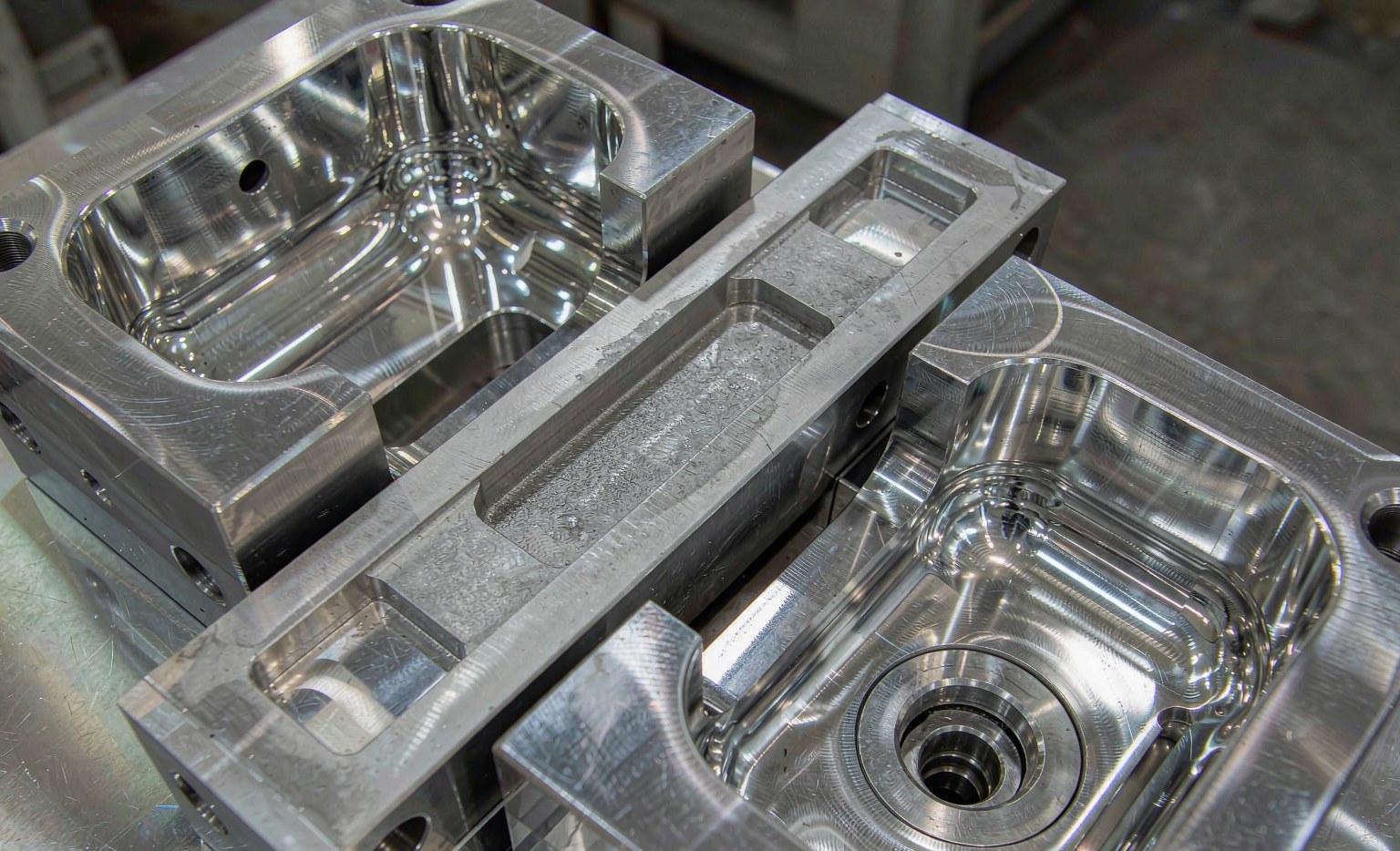
- Draft, shutoffs and undercuts: show how the part releases from the mold and whether slides, lifters or other moving tool features are needed.
- Gate, parting line and weld lines: agree where material enters the cavity and where visible or functional effects may occur.
- Venting and cooling: ask how the tool design addresses trapped air, heat removal and expected dimensional stability.
- Ejection and cosmetic surfaces: identify possible witness marks and protect surfaces that matter to assembly or customer-facing appearance.
Request a written DFM record that lists each proposed change, its reason, its effect on function or tooling, and who must approve it. Resolve critical items in the model, drawing and purchase documentation so the supplier and buyer are working from the same revision.
Specify functional tolerances and acceptance conditions
A single blanket tolerance for every dimension can make a part difficult to produce or inspect without improving its function. Mark dimensions that control fit, assembly, sealing, movement or another verified requirement; define suitable datums, measurement methods and acceptance conditions for those features.
ISO 20457:2026 provides a plastics-specific framework for geometrical and dimensional tolerances and acceptance conditions for covered molded parts. Where it is applicable to the part and contract, buyer and supplier can use it to discuss technically achievable tolerances and document acceptance. It does not provide a universal ± value for every material, geometry or application.
Agree when and how measurements are taken, including the reference drawing revision, part condition and any conditioning relevant to the resin or use. Link inspection results to the part number, mold revision, material grade and sample or production lot. For process diagnosis, the molding defects guide can help frame questions about observed nonconformities.
Evaluate defects as evidence, not as one-step diagnoses
Record the defect location, cavity, material lot, process and mold revision, appearance, frequency and measurement result. A sink mark, short shot, flash, silver streak or dimensional deviation can have more than one contributing factor. Ask the supplier to identify and verify the root cause before approving a process adjustment or tool change.
For dimensional or warpage concerns, compare measurements against agreed datums and conditions. Review the part design, material behaviour, tool layout, cooling, fill pattern and production records together. A proposed fix should be tested on an identified sample and checked against the same acceptance criteria as the original issue.
Plan tooling, machine selection and commercial terms by project
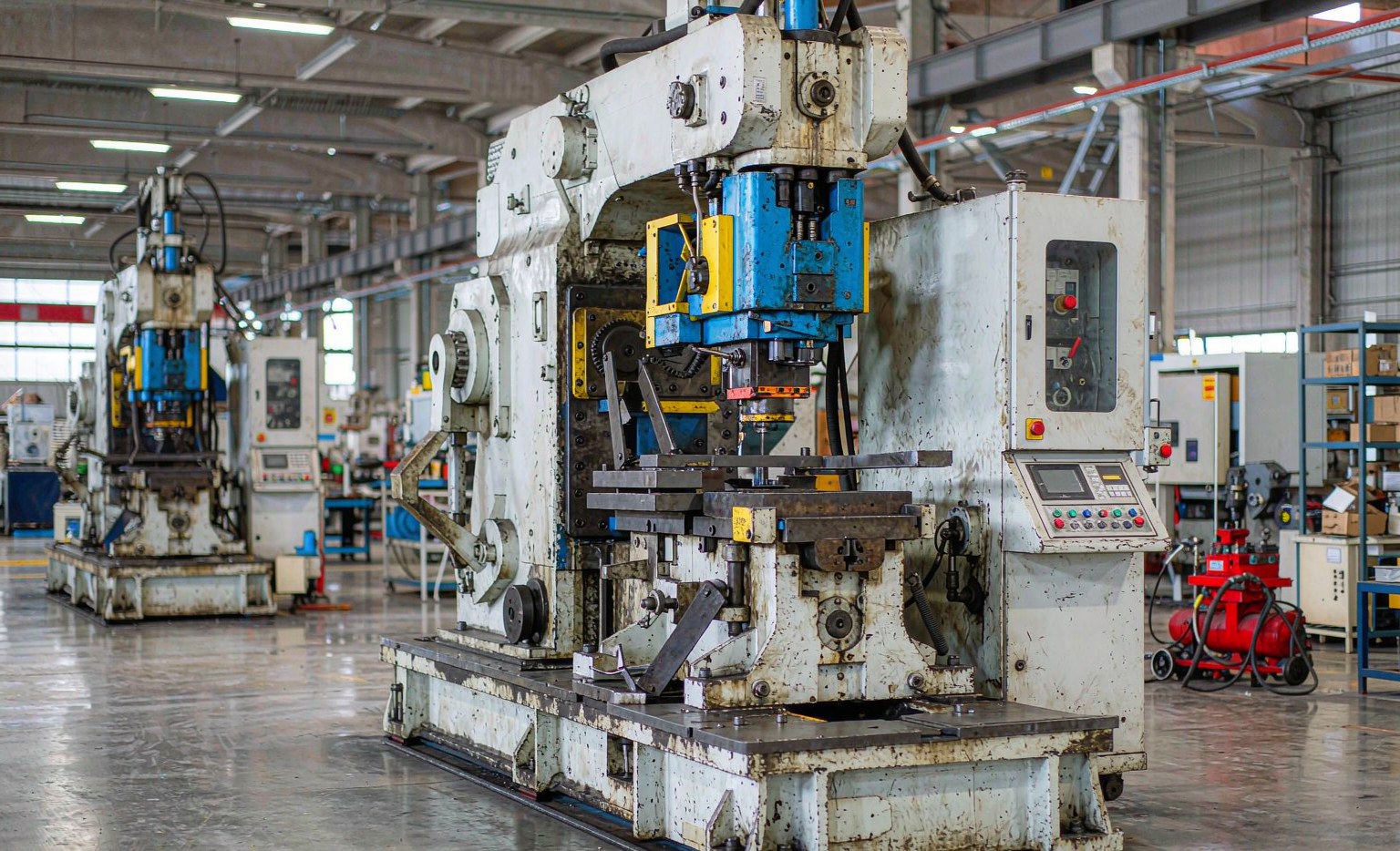
There is no universal machine tonnage, shot-size range, MOQ or tooling lead time that applies to every molded component. Ask the supplier to select equipment and quote timing using the part’s projected area, resin, shot requirements, mold design, production plan and available machine capability.
For a comparable quote, separate the costs and responsibilities for:
- part design support, DFM and any prototype or sample work;
- mold design, construction, trials, maintenance, storage and future modifications;
- resin grade, colour or finish, molding, secondary operations and assembly;
- inspection records, packaging, freight and any buyer-specific documentation;
- tool ownership, tool transfer, approved revisions and payment or acceptance milestones.
Have the supplier state the quotation’s assumptions, production quantity, sample-approval basis, lead-time start point and validity. Confirm commercial terms in the purchase agreement rather than applying generic lead-time or MOQ figures from an unrelated project.

Approve samples and control production changes
Before mass production, agree the sample stage and approval record. Identify the sample’s material grade, colour, mold revision, production conditions, measurements, visual criteria and any functional checks. The buyer and supplier should record open issues, required corrective action and the version approved for production.
Use a documented control plan for the dimensions and characteristics that matter to the part. Define lot identification, sampling or inspection methods, nonconformance handling and who may approve a deviation. Changes to the resin, colour, tool, process, supplier or drawing should follow a review and approval path matched to their possible effect.
For related production decisions, see how custom injection molds are manufactured and gate-position selection considerations. For OEM production, review the plastic injection molding service and contact DAYIN with the drawing, resin requirements, target quantity and acceptance criteria.
Frequently asked questions
What should an injection molding RFQ include?
Include the part model and drawing revision, intended use, exact resin grade where selected, colour and finish, functional dimensions, expected quantities, packaging or assembly needs, inspection requirements and the requested commercial breakdown.
Can I use one tolerance for every dimension?
Define tolerances from function and assembly needs. Identify critical dimensions and agree datums, measurement conditions and acceptance criteria with the supplier.
Can a resin family determine processing settings?
No. Use technical data for the exact grade and variant, then confirm settings and part performance through the supplier’s controlled process and sample approval.
Is there a standard MOQ or tooling lead time?
Those terms vary with the part, mold, supplier, production plan and commercial agreement. Request a project-specific quote that states assumptions and milestones.
What does ISO 20457 cover?
The 2026 edition provides a plastics-specific framework for geometrical and dimensional tolerances and acceptance conditions for covered molded parts. Confirm its applicability and use in the project agreement.
How should a buyer compare two molding quotes?
Compare the same part revision, material, production quantity, tooling scope, quality records, secondary operations, packaging, delivery assumptions and change responsibilities. Ask suppliers to list any differences in scope.