




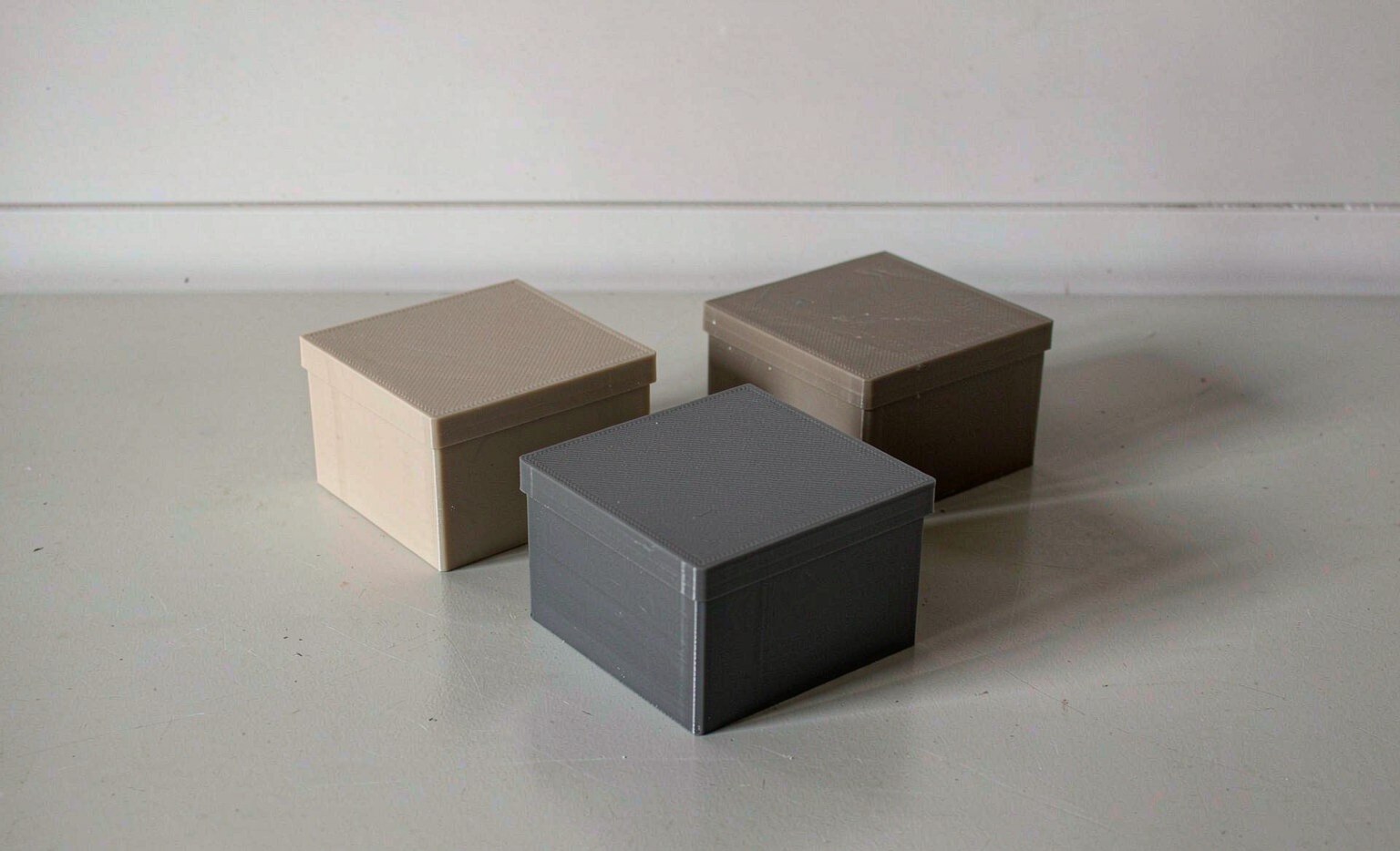
Choosing the resin is the first design decision in any molded part, and it drives cost, shrinkage and final properties. The three high-volume thermoplastics — PP, ABS and PC — cover most enclosures and components, but they are not interchangeable. Here are the real numbers a buyer or designer should know before quoting tooling.
The reason the choice matters so much is that the resin sets the shrinkage, and the shrinkage sets the mold. Get the resin wrong and the tool must be re-cut, the process window re-found, and the tolerances re-quoted — a five-figure mistake that a 20-minute conversation at quote time prevents.
| Property | PP | ABS | PC |
|---|---|---|---|
| Density (g/cm³) | 0.90 – 0.91 | 1.04 – 1.06 | 1.20 – 1.22 |
| Mold shrinkage (%) | 1.0 – 2.5 | 0.4 – 0.9 | 0.5 – 0.8 |
| Heat-deflection temp @1.8 MPa (°C) | 50 – 60 | 90 – 105 | 125 – 145 |
| Notched Izod impact (kJ/m²) | 2 – 7 | 15 – 25 | 50 – 70 |
| Relative cost | Low | Medium | Higher |
Representative ranges from resin supplier datasheets; filled and glass-reinforced grades shift shrinkage downward and HDT upward, sometimes sharply.
Processing temperatures
A tool and process tuned for one resin will not run another well, because the melt windows differ enough to change cycle time and part quality:
| Resin | Melt temp (°C) | Mold temp (°C) | Drying |
|---|---|---|---|
| PP | 200 – 260 | 20 – 60 | Usually not required |
| ABS | 220 – 260 | 50 – 80 | 2 – 4 h @ 80 °C |
| PC | 280 – 320 | 80 – 120 | 3 – 4 h @ 120 °C |
Where each fits
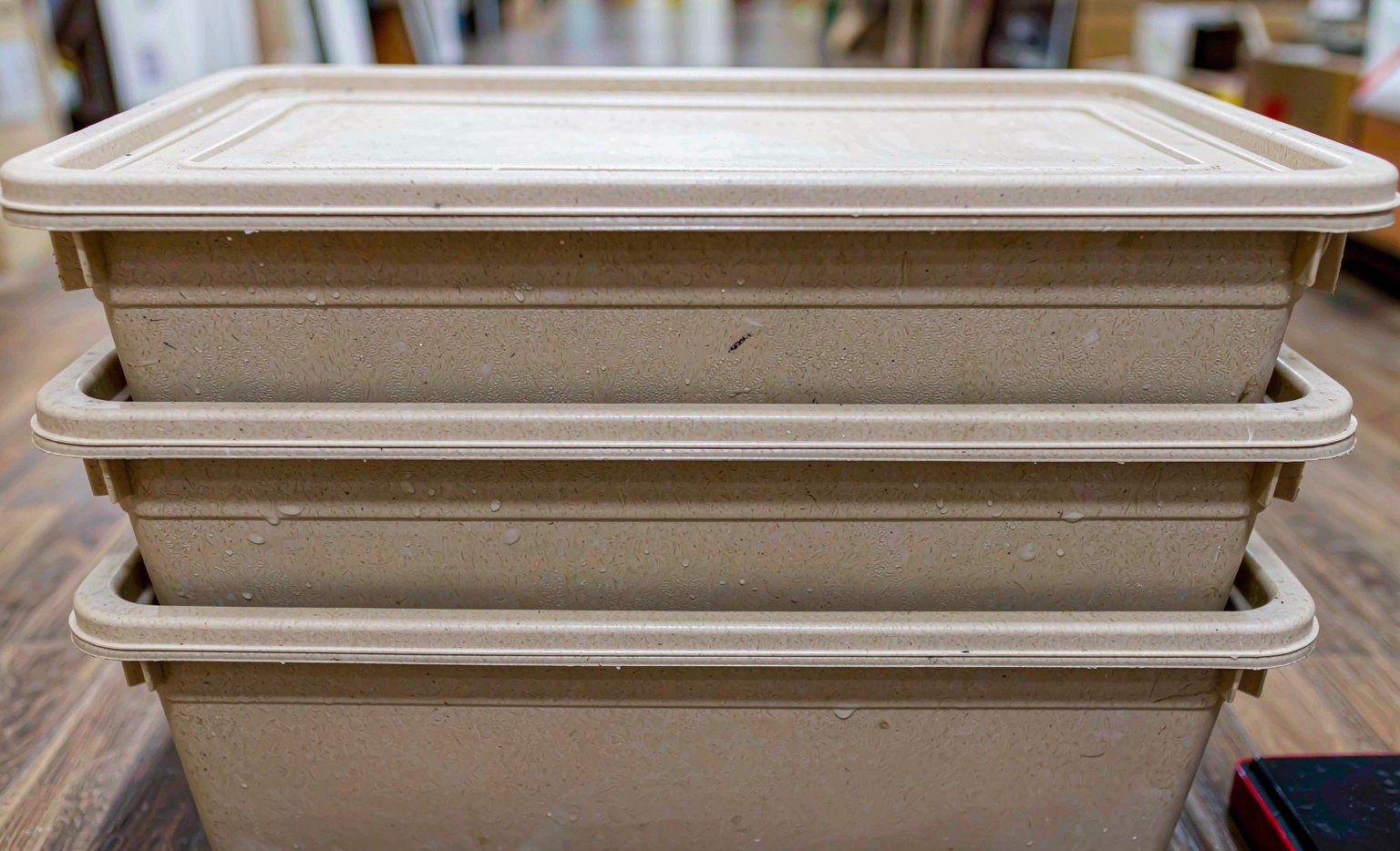
PP is the workhorse for cost-sensitive parts: low cost, good chemical resistance and hinge-friendly. Living hinges, caps, containers, automotive bumpers and battery housings. Its highest-in-class shrinkage means tolerances need more allowance and the tool runs a wider band.
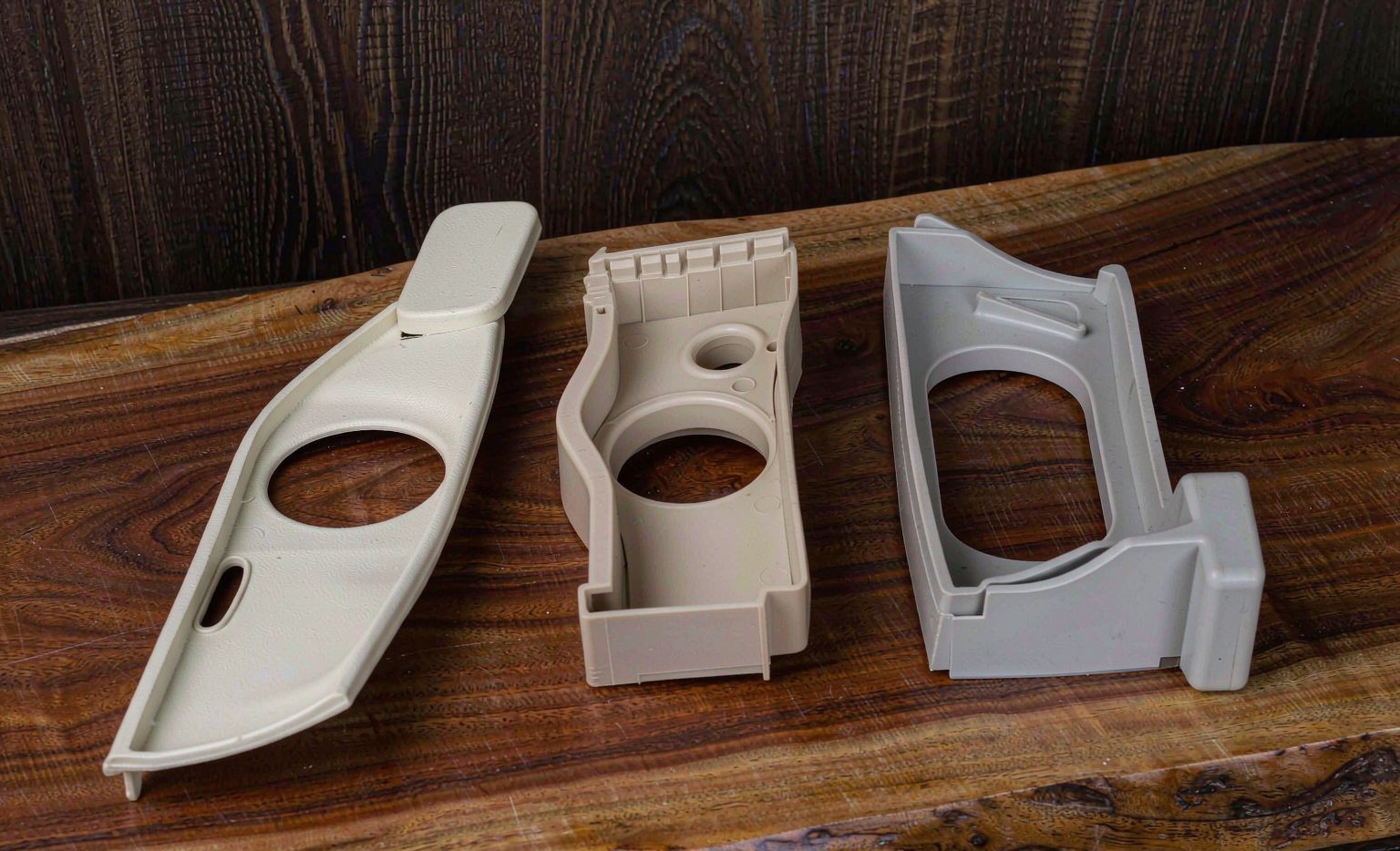
ABS balances stiffness and toughness and is easy to plate and paint, making it the default for rigid cosmetic shells — electronics housings, appliance trims and automotive interior. PC brings high impact and heat resistance plus an optical-clarity option, used for glazing, lenses, protective gear and electrical enclosures; it is the priciest and often blended (PC/ABS) to cut cost.
Shrinkage drives tooling
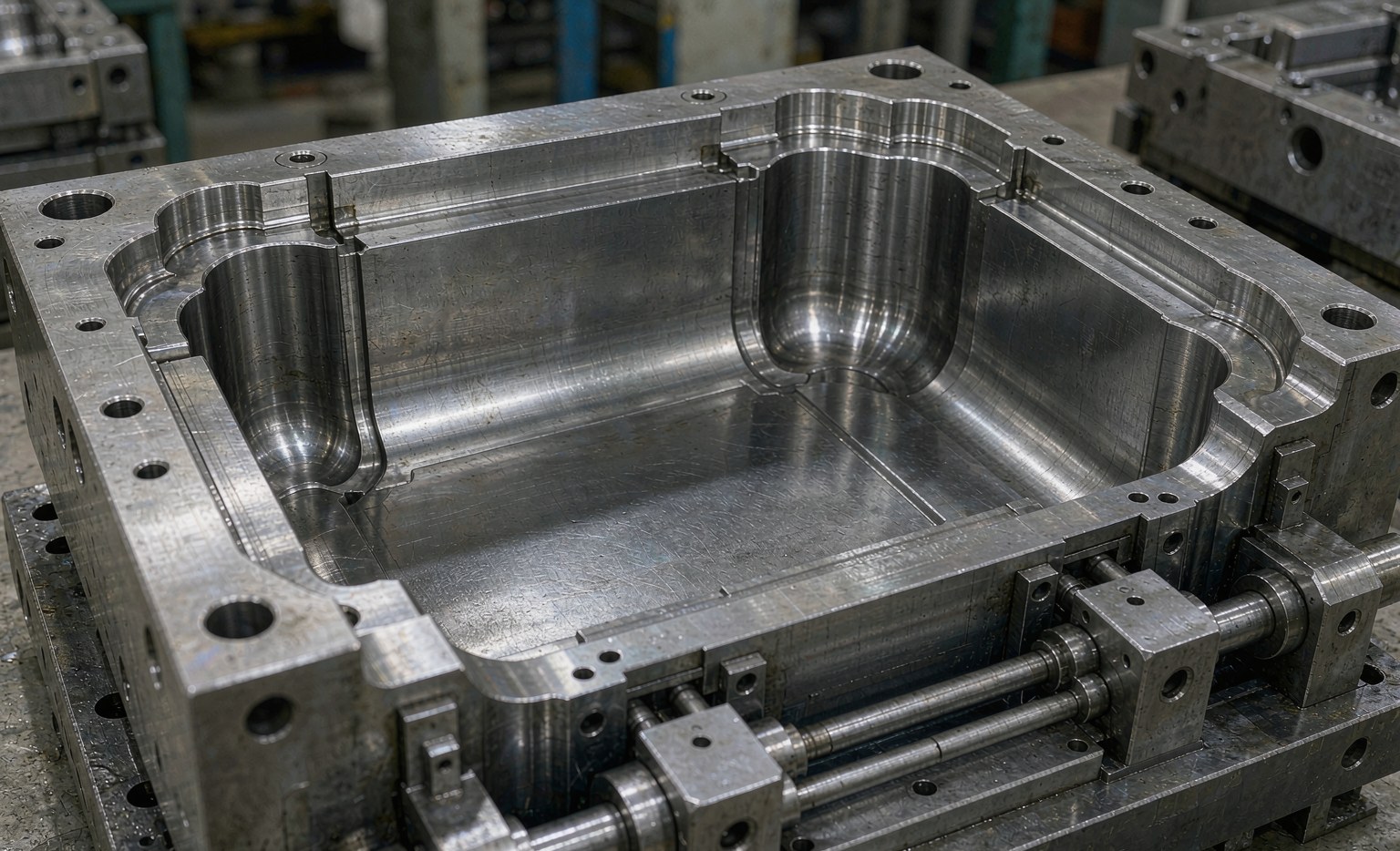
Because PP shrinks roughly 2–4× more than ABS or PC, the same nominal dimension needs a different cavity size and a wider tolerance band. Specifying the resin before tooling quotes avoids a costly mold rework later — a tool cut for PC will not hold PP dimensions without re-cutting.
This is why a resin change is never “just a material swap” on an existing mold, and why the resin decision belongs on the same page as the tolerance and gate-location decisions.
Blends and upgrades
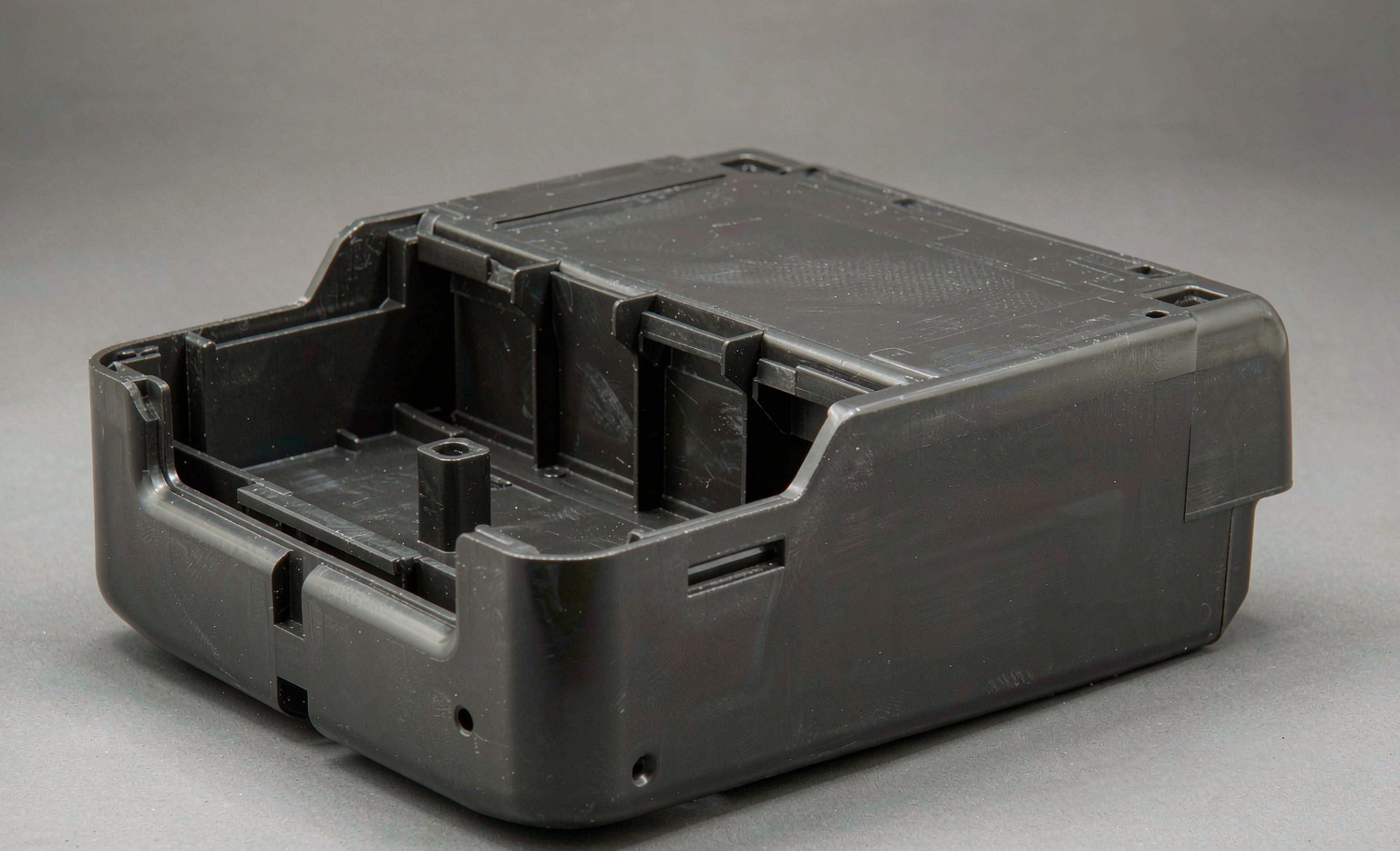
PC/ABS is the common compromise — PC’s heat and impact with ABS’s processability and lower price — used widely for laptop and printer housings. Glass-filled versions raise stiffness and HDT at the cost of higher shrinkage, more screw and mold wear, and a more brittle failure mode.
For outdoor or UV-exposed parts, a UV-stabilized grade matters more than the base resin choice; for chemical exposure, check the specific agent rather than assuming “chemical resistance” applies broadly.
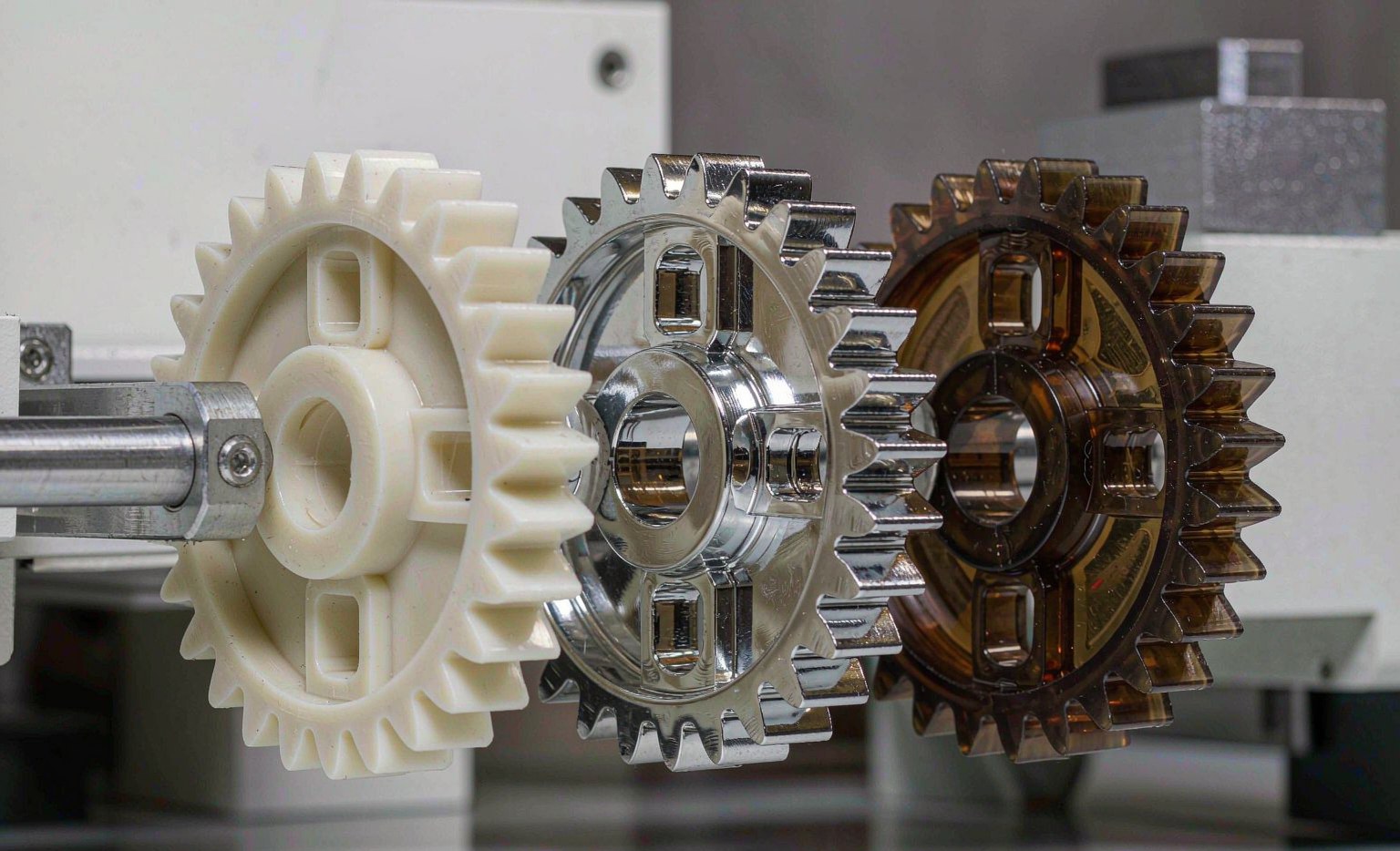
Match the material to the load, temperature and appearance the part sees — not to habit. The tables above are the starting point; a short molding trial confirms the choice before volume, because datasheet numbers come from test coupons, not your wall thickness and gate location.
FAQ
Which is strongest? PC has the highest impact and heat resistance, but at the highest cost and the tightest processing window.
Can I switch PP to ABS in the same mold? Only after resizing for the ~2× difference in shrinkage; otherwise dimensions will be off.
What about recycled grades? rPP and rABS are viable for non-critical parts but usually need a wider tolerance band and careful drying.
Does color affect properties? Usually not, but pigments can shift shrinkage slightly and some colors are less UV-stable.
When is PC/ABS the right call? When you need PC’s heat and impact but must hit a target cost and easy processing.
Can the same tool run filled and unfilled grades? Not reliably — filled grades shrink less and wear the tool more, so process and sometimes geometry change.
Cost and sustainability
Base-resin cost ranks PP below ABS below PC, but the part’s true cost includes cycle time, scrap rate and tool life. PP’s faster cycles and forgiving process often beat ABS on total cost for large parts, while PC’s tighter window and higher scrap can widen the gap. Recycled grades (rPP, rABS) cut cost and carbon but usually need a wider tolerance band and careful drying, so they suit non-cosmetic, non-critical parts.
Regulations increasingly push recycled content and recyclability, and mono-material PP parts are the easiest to recycle because they avoid the PC/ABS blend that resists separation. If end-of-life matters, PP is the friendlier choice.
Common specification mistakes
The most expensive mistake is choosing the resin after the tool is cut; the second is over-specifying tolerance on a material whose shrinkage cannot hold it. A third is ignoring chemical exposure — PP resists many solvents but not all, and ABS can craze under stress with certain agents. Confirm the real service environment before locking the grade.