
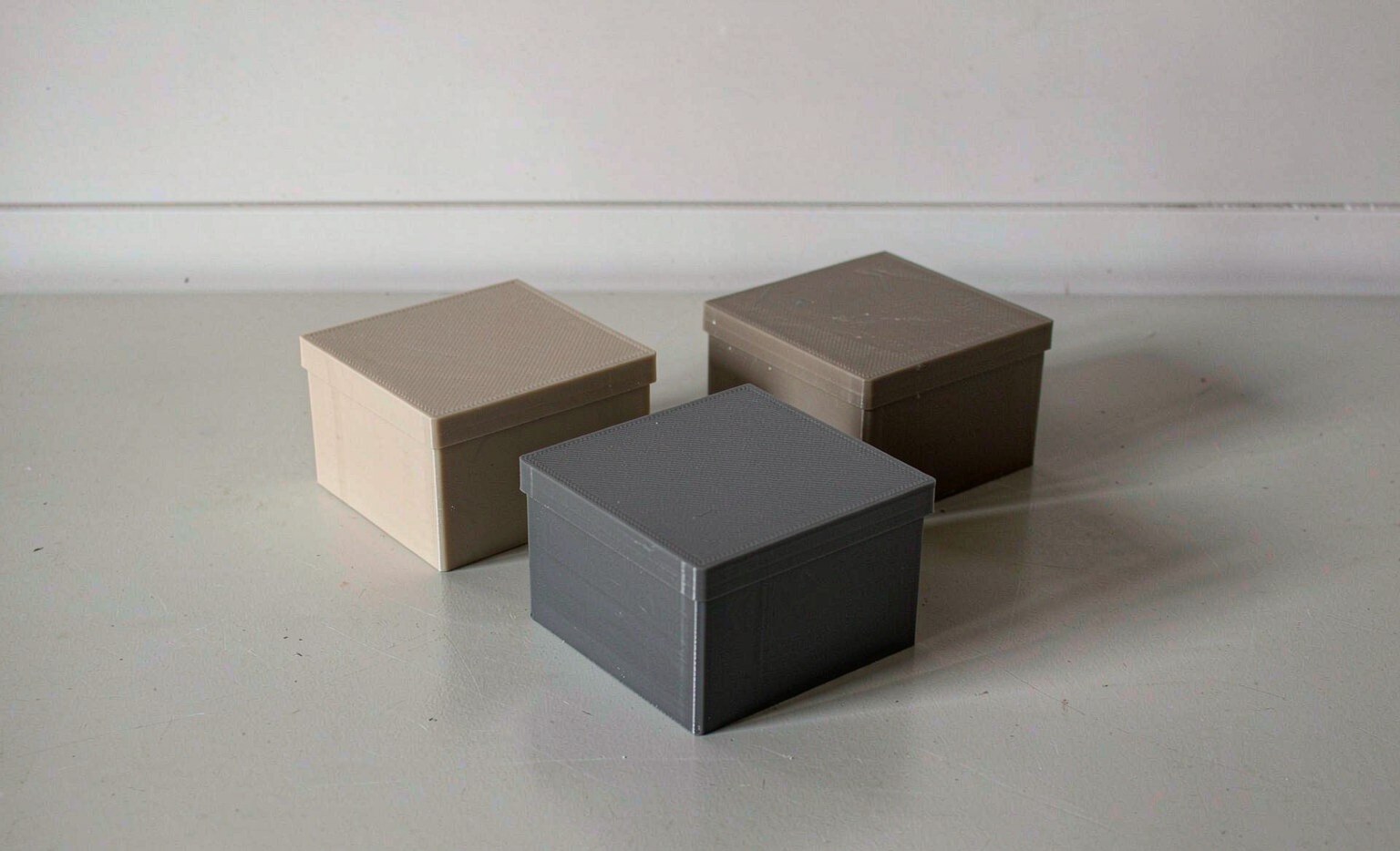
Three molded resin samples PP ABS PC side by side

ABS vs PP vs PC: Which Molding Resin to Choose

Choosing the resin is the first design decision in any molded part, and it drives cost, shrinkage and final properties. The three high-volume thermoplastics — PP, ABS and PC — cover most enclosures and components, but they are not interchangeable. Here are the real numbers a buyer or designer should know before quoting tooling. The […]
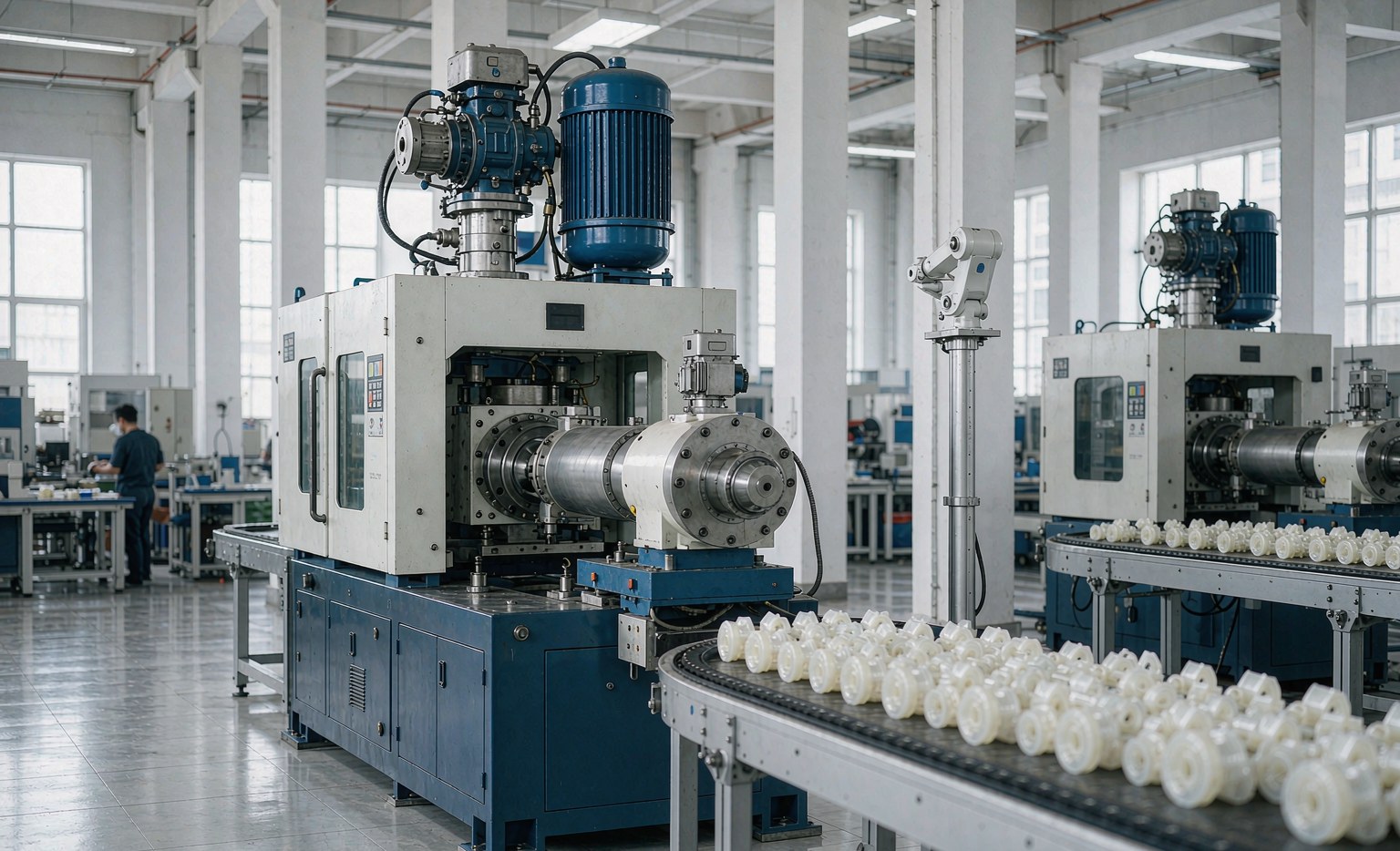
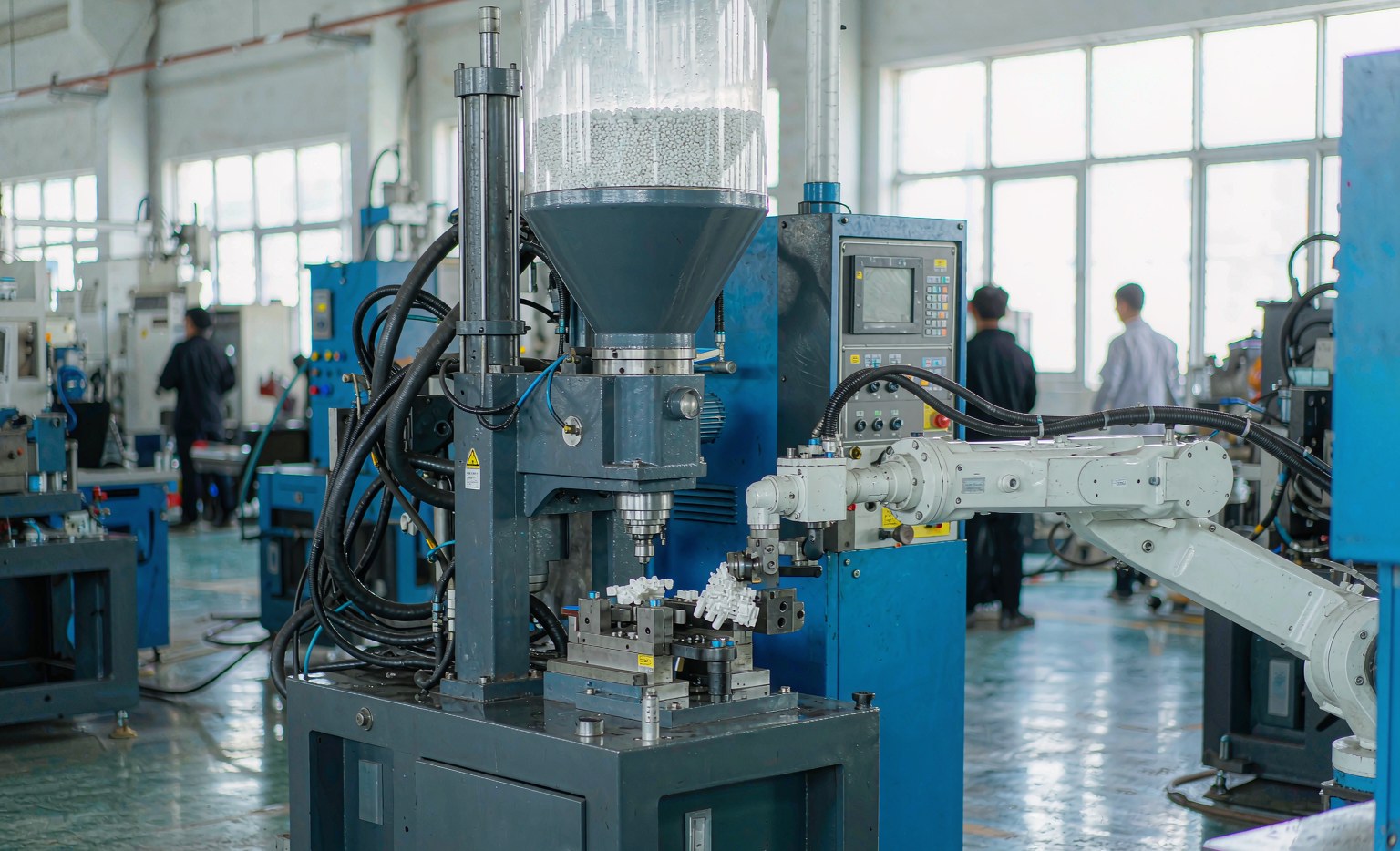
Plastic injection molding machine on a factory floor

Injection Molding Defects: Causes and Fixes (6 Common Types)

Injection molding defects are almost always traceable to three variables: material shrinkage, process setting, or tooling geometry. A molder on the floor learns to read each symptom, isolate the variable responsible, and apply the matching fix before a drift becomes a rejected batch. This field guide covers the six most common defects, their root causes, […]

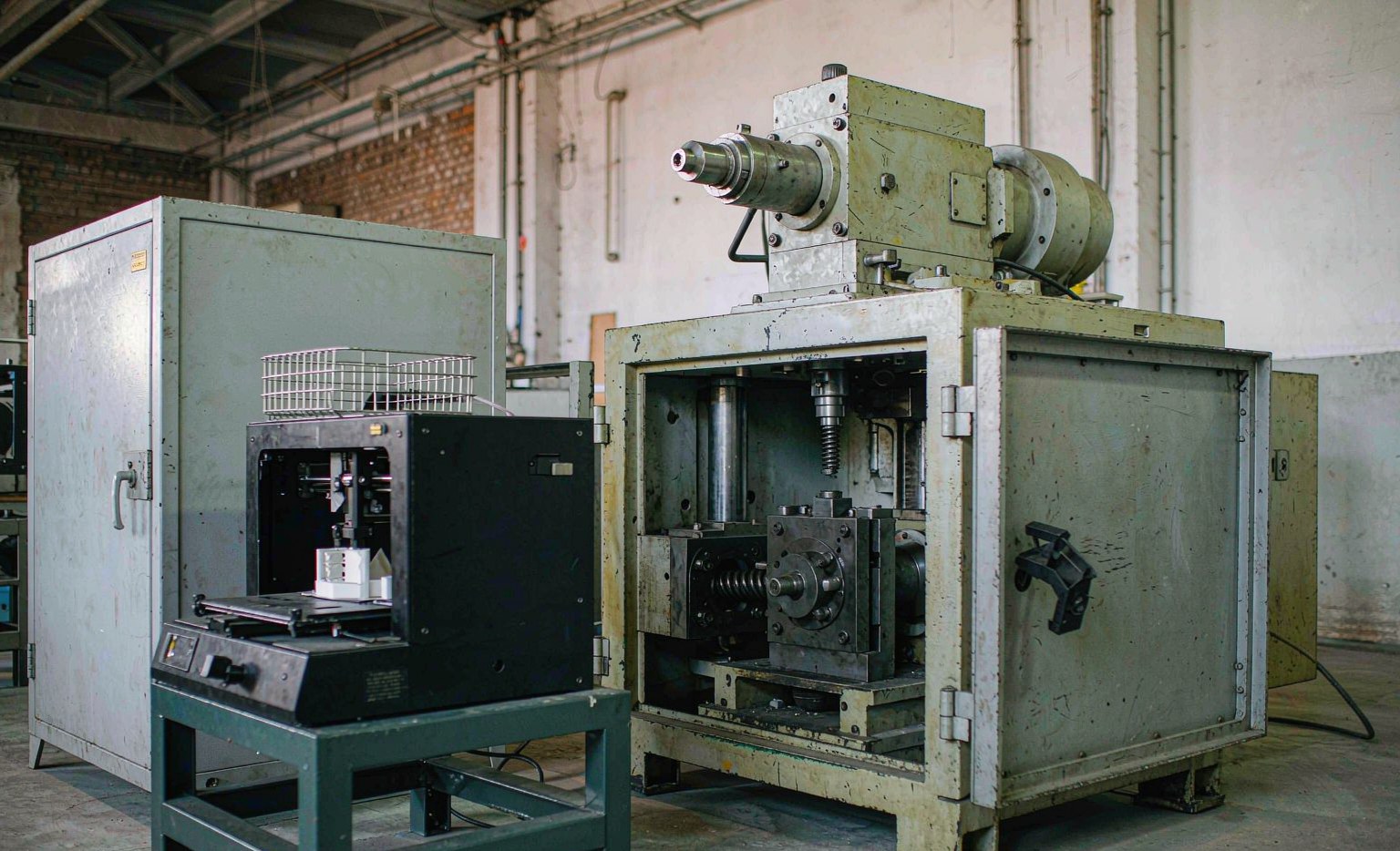
Injection molding machine beside a desktop 3D printer in a workshop

Injection Molding vs 3D Printing: Cost, Volume and Lead Time

Engineers choosing between injection molding and 3D printing usually frame it as “prototype vs production.” The honest answer is about volume, unit cost and lead time: below a few hundred parts, printing wins; above a few thousand, molding wins decisively. This article puts real numbers on the crossover so the decision is a calculation, not […]

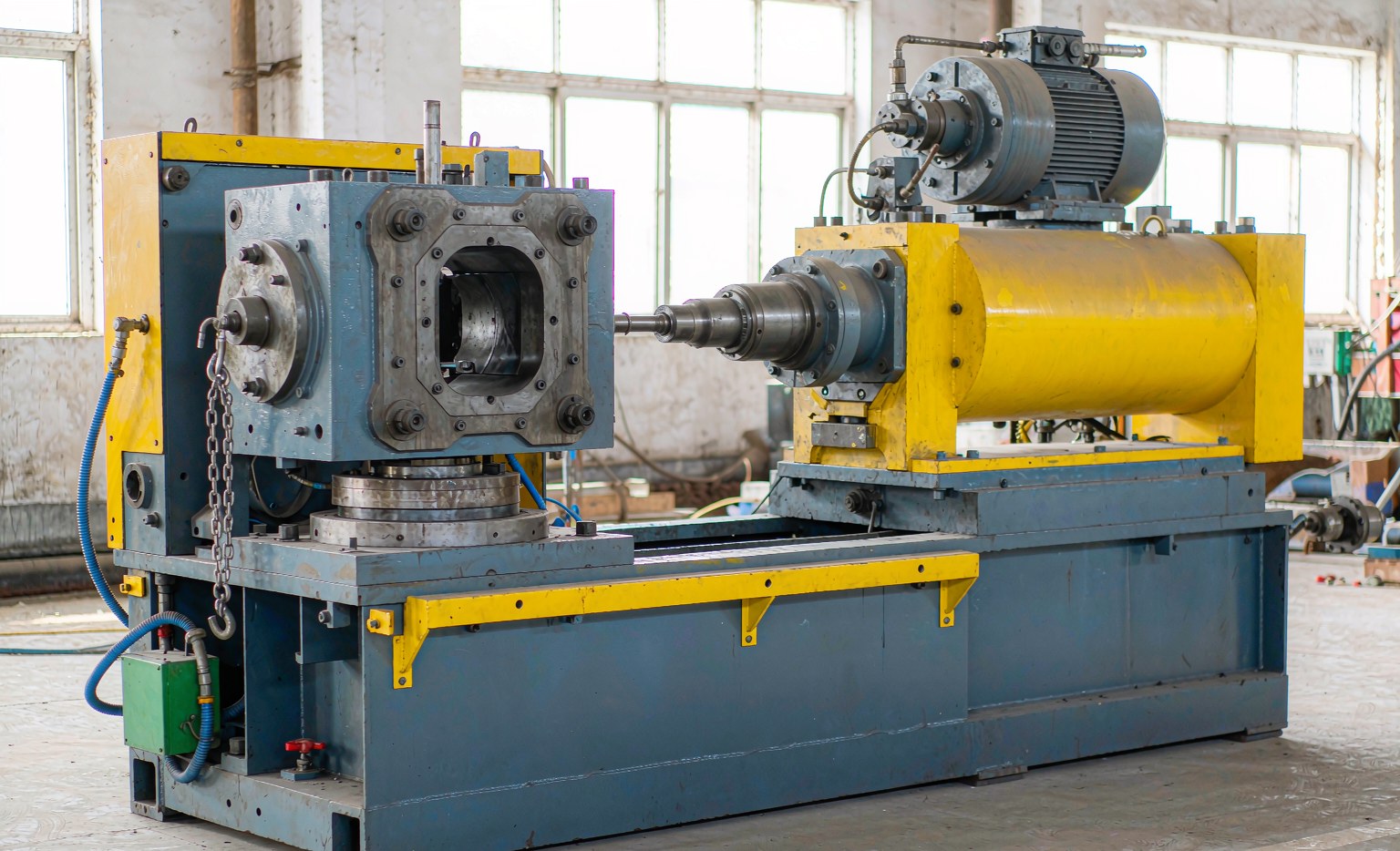
Plastic injection molding machine with clamping unit on a factory floor

Plastic Injection Molding Tolerances: A Practical Guide to ISO 20457

When buyers ask for “tight tolerance” injection molded parts, the conversation usually stalls because tolerance is not a single number — it is a function of the material, the mold, and how consistently the process is run. This guide explains what is realistically achievable under the international standard ISO 20457, why material shrinkage drives almost […]