



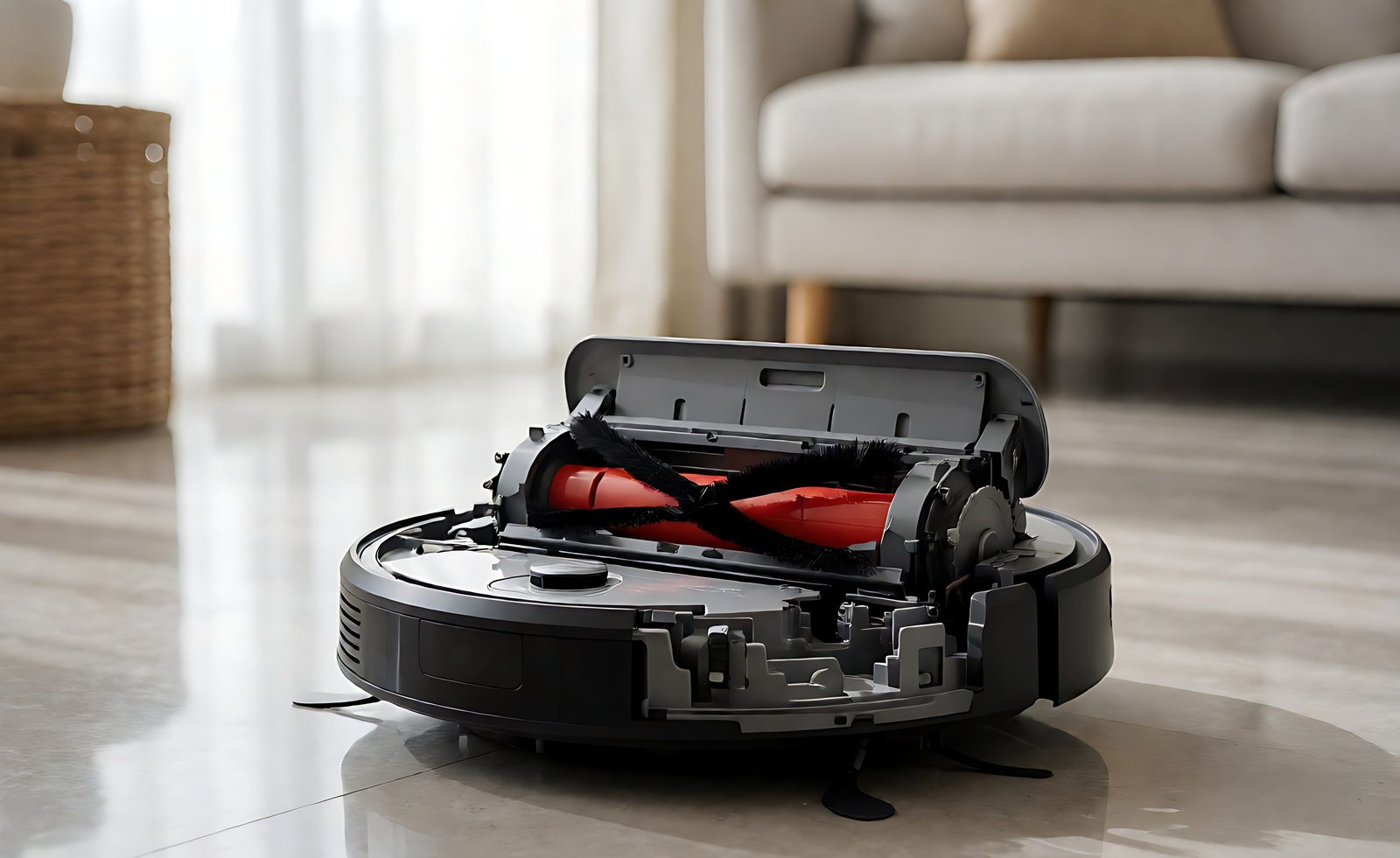
Motor suction figures alone do not establish pickup performance on a target floor. Results depend on the assembled unit and test conditions, including the nozzle, airflow path, filter state, debris and floor surface. For an OEM/ODM buyer, specify how each setup is tested before comparing samples or approving a production configuration.
Turn the product into a sample-evaluation plan: identify what the buyer can remove and clean, how brush access works, how the bin is emptied, and whether performance meets the project’s acceptance criteria across intended conditions.
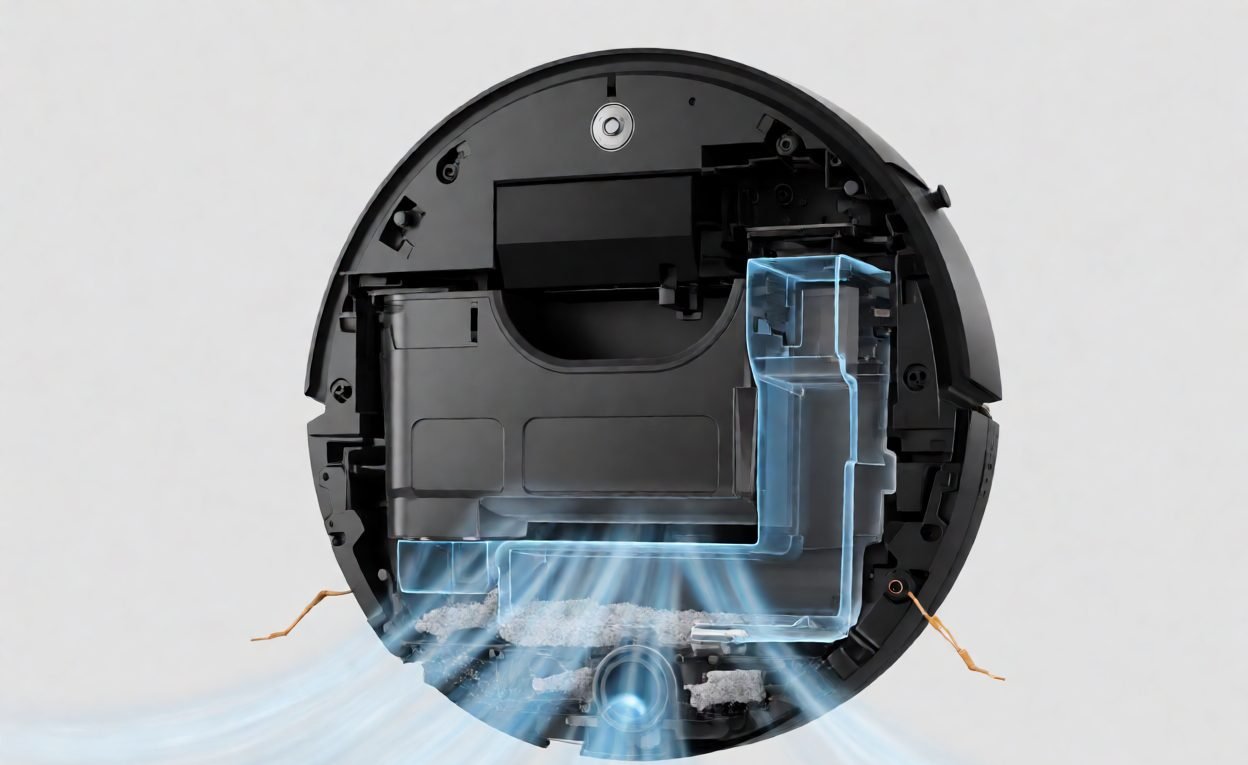
Map the Assembled Airflow Path
Joints, bends, ducts, seals, and filters can add flow resistance. Their effect depends on geometry and operating point, so measure pressure and airflow at a defined location and condition instead of treating each feature as an equal loss.
- Nozzle and floor interface — record the head configuration, floor types and debris, then test the transitions included in the target market.
- Seals and joints — identify removable interfaces and inspect fit across the agreed assembly and sample checks.
- Ducts and filters — document the airflow route and compare measurements under the same defined clean and loaded filter conditions.
Suction Metrics That Mean Something
Do not compare a suction figure without its test point, setup and conditions. In the RFQ, specify the pressure or airflow metric, where it is measured, the device configuration, and the filter and bin state. Ask suppliers to record results using the same procedure on each sample. Evaluate debris pickup separately under defined floor, debris and run conditions.
Compare pickup at defined bin-fill levels and set an allowable decline for the intended run length and debris load.
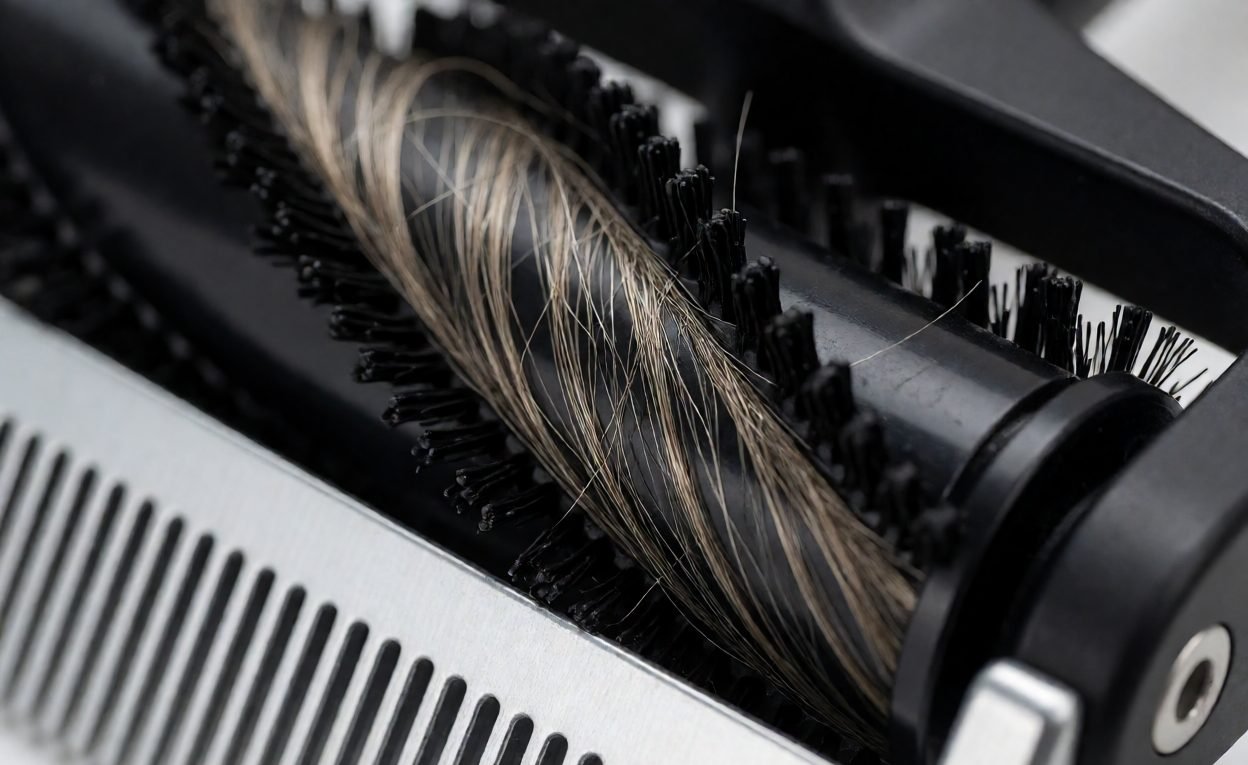
Brushroll Geometry: Bristles, Paddles and the Tangle Mechanism
Brush designs may use bristles, rubber fins or paddles, or combinations. Effects on debris pickup and hair wrap depend on the selected design, floor and hair conditions. Compare the exact brush configuration on each target surface in scope; record collected debris and hair remaining on the brush separately.
Brush ends, clearances, combs and removable components can affect cleaning access, hair retention, resistance or sound. Test each option on the exact housing and brush combination; document the service steps and any issues observed during repeated runs.
Brush and Anti-Tangle Design Checks
- End cap and bearing access — check whether debris or hair can reach the bearing area and document cleaning or removal steps.
- Housing clearance or comb features — compare pickup, hair accumulation, cleaning access and operating behavior on samples.
- Brush material and surface — record the exact variant and test it across intended floors, debris and hair conditions.
- Roll-motor protection — document the protection behavior and verify it under agreed blockage or wrap test conditions.
No single feature should be assumed to prevent tangles or suit every floor. Compare pickup, hair accumulation, cleaning effort, noise and operating behavior for each intended market and product configuration. Record the test setup and acceptance limits in the approved sample record.
Filter Loading and Bin Emptying
Evaluate filter condition and airflow together. Record pressure drop or airflow using the agreed method with clean and representative loaded filters, and set acceptance limits for the intended maintenance interval and use case.
Specify the bin fill and emptying checks for the programme’s test debris. Record where material collects, user steps and dust exposure during emptying. For a self-emptying base, evaluate the robot and base together using the target debris, service interval and maintenance process.
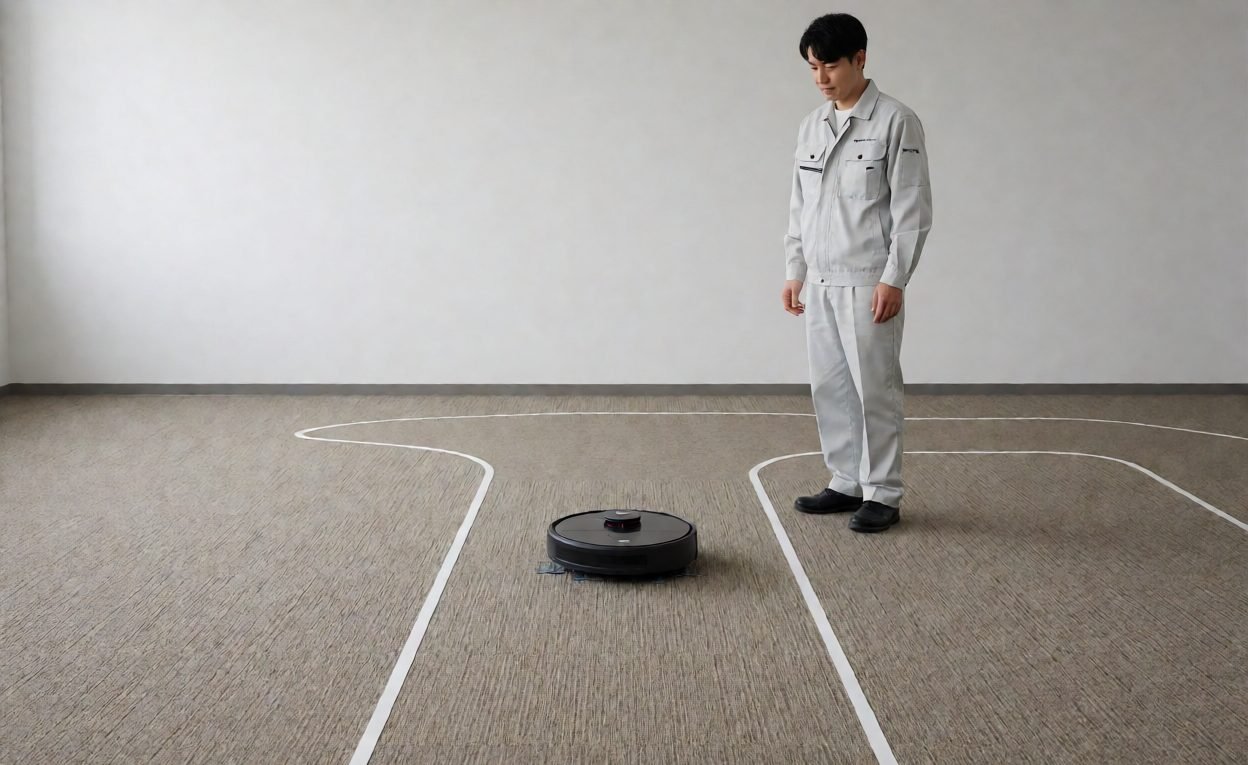
The Pet-Hair Test Protocol
Define the test lane, floor, hair type and amount, debris distribution, robot configuration, run pattern, bin fill and filter state. Test each target floor separately. Use the agreed measurement method to record collected debris, residue on the floor and material remaining on the brush; repeat runs at the specified maintenance states. Set pass/fail limits from programme requirements before testing.
Performance Test Reference
For household dry-cleaning robots, IEC/ASTM 62885-7:2020+AMD1:2022 provides performance measurement methods. Use it where applicable and add programme-specific tests for pet hair, loaded filters, bin fill, and the intended floor surfaces.
Related Buying Decisions
Compare this mechanical test plan with the pet-hair performance guide, the noise specification, the battery runtime guide and the navigation comparison. For an OEM/ODM build, review DAYIN robot vacuum manufacturing services and the private-label verification checklist; contact the team with the target floor types, debris, configuration and acceptance plan.
Frequently Asked Questions
Why may suction figures fail to predict pickup?
Published suction figures may use different measurement locations and conditions. Compare the assembled unit with a defined test method, debris, floor, bin fill, and filter state.
Can a bin-interface leak reduce pickup?
A bin-interface leak is one possible cause. Nozzle fit, brush performance, ducts, filter loading, debris, and control settings can also affect pickup; test the assembled system to isolate the source.
Do bristle rolls tangle more than rubber paddles?
Results depend on brush geometry, hair, floor, and operating conditions. Compare the actual design on the intended surfaces.
How should a buyer compare anti-tangle features?
Cost and effectiveness depend on the design. Compare options such as removable brush ends or comb features in a repeated-run test and include cleaning access in the evaluation.
How does a loaded filter reduce cleaning?
Filter loading may increase flow resistance and affect pickup, depending on the design and conditions. Measure pressure drop or airflow under defined clean and loaded states, then set limits for the intended use.
What should a pet-hair test measure?
Define hair type, amount, floor, bin fill, run count, and inspection method; then record pickup and hair remaining on the brush for that protocol.
Is a self-emptying base worth specifying?
It may reduce manual emptying, but evaluate evacuation reliability, dust exposure, noise, consumables, and maintenance with the target debris and use case.