



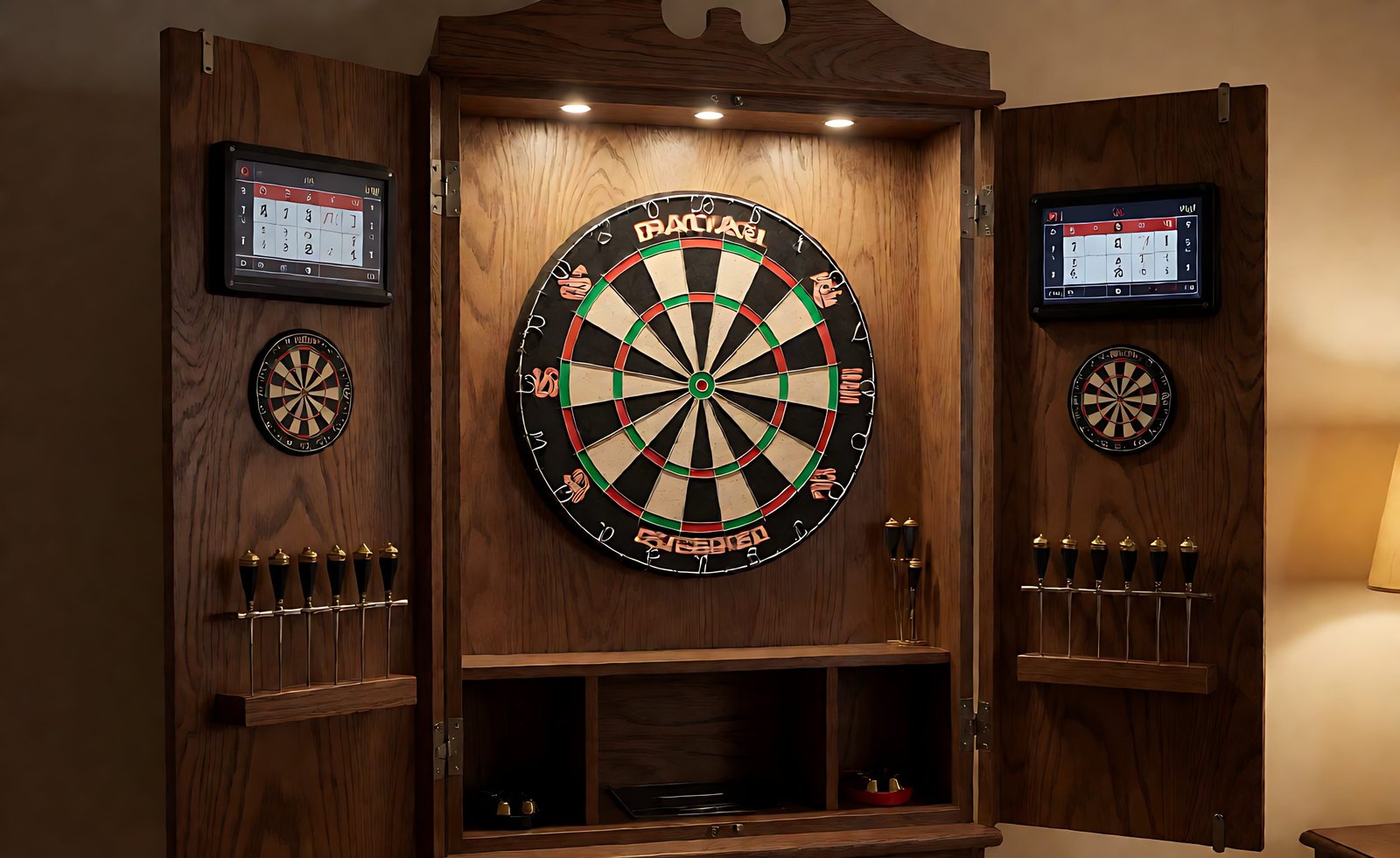
For a B2B dartboard cabinet programme, hinges, catches, locks and fasteners need to be specified with the cabinet they will be installed on. Door size and mass, the mounting substrate, fixing layout, finish and intended use all affect the assembled result. A hardware catalogue rating alone does not show how the production cabinet will operate after repeated use.
Describe the cabinet door and fixing substrate
Give the supplier the door drawing, dimensions, production-representative mass, material and thickness, opening direction, hinge position, edge distances and available reinforcement. Identify what each screw will engage, such as a rail, insert, panel edge or other construction. If a cabinet has multiple door sizes or materials, list them separately rather than treating the range as one configuration.
Define the expected opening pattern and destination environment in the project brief. That information helps the supplier select and validate the actual hinge, catch and lock combination. Avoid specifications such as “heavy-duty hinge” unless the term is tied to an identified model, grade, rating or agreed test requirement.
Choose hardware by function and exact installation
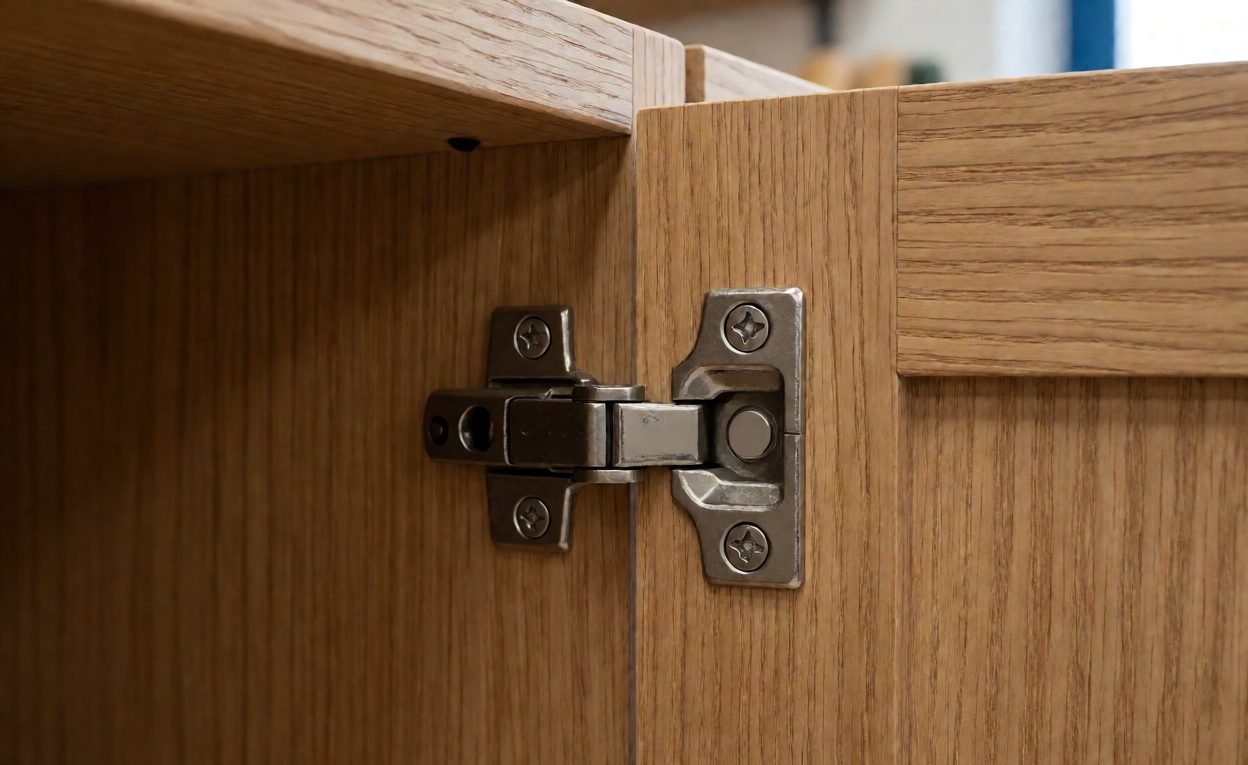
Butt, concealed and continuous hinges are different configurations, not a universal performance ranking. A continuous hinge places fixing points along more of the door edge, but the complete attachment still depends on the hinge design, door construction, fasteners and installation. Compare specific models against the same door drawing and sample conditions.
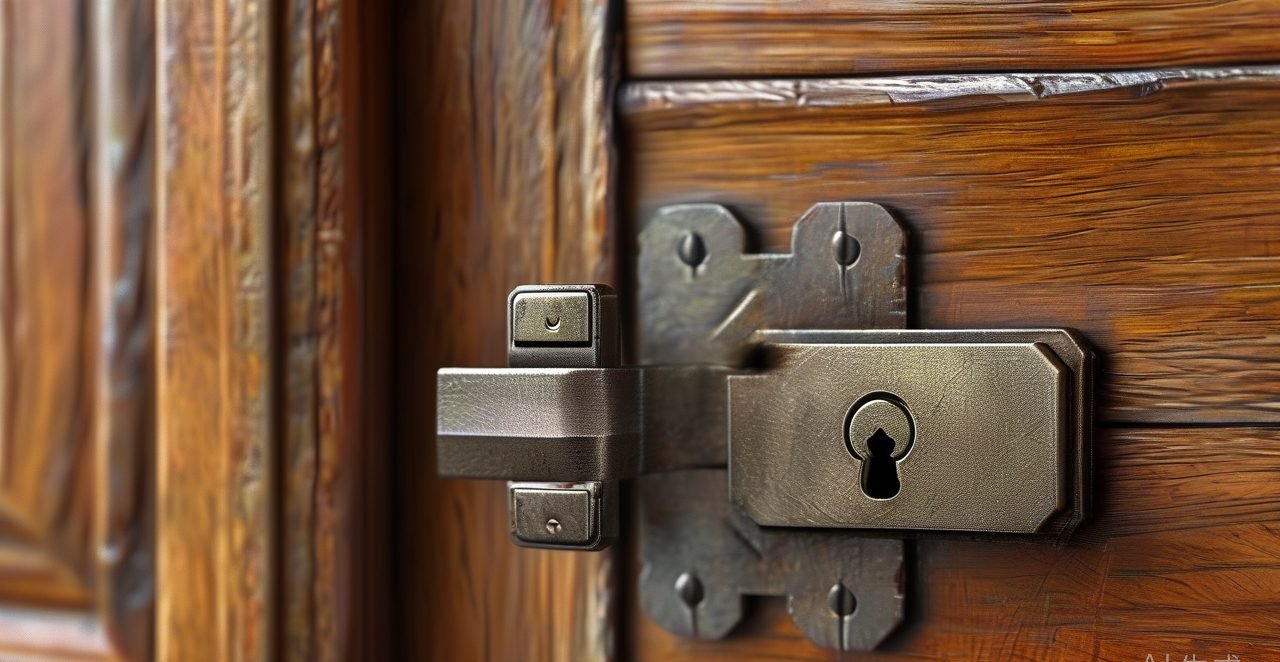
For a lock or catch, state the function required: whether the door must simply stay closed, whether key access is needed, who needs to open it and how the user is expected to operate it. Specify the lock or catch model, finish, keying or access requirements, mounting location and expected behavior. Do not assign one lock type to an entire sales channel without checking the product brief.
For North American procurement, the current ANSI/BHMA standards may help buyers write a measurable hardware specification where the chosen product falls within their scope: A156.9-2026 for cabinet hardware includes operational, cycle and strength tests; A156.11-2024 covers cabinet locks. These are standards for specified hardware categories, not a universal requirement for every dartboard cabinet or proof that the complete cabinet assembly has passed the same tests. Confirm the applicable standard, edition, grade and exact model with the buyer and supplier.
Specify fasteners with the substrate
Put the fixing details on the drawing or hardware schedule: fastener type and dimensions, pilot-hole method where applicable, insertion location, edge distance, reinforcement and any assembly controls. The suitable arrangement depends on the actual panel or frame and hinge model. Validate the selected fixing in a production-representative cabinet; do not infer retention from a screw description alone.
If the cabinet uses wood or an engineered panel, include material and conditioning information in the sample record. Wood exchanges moisture with its environment, and the U.S. Forest Products Laboratory’s Wood Handbook, Chapter 4 explains how moisture relations affect wood properties. The buyer and supplier should define relevant storage, transit and service conditions for the particular design.
Test the installed cabinet assembly
Before testing, agree on the sample quantity, mounting, door configuration, opening and closing profile, cycle count and acceptance criteria. Include a slam or impact event only if it represents the intended use and the parties define a safe, repeatable method.
- Record the door gap and alignment before the test.
- Operate the production-intent door and hardware under the agreed cycle profile.
- Check opening and closing, catch or lock operation, visible damage, fastener movement and alignment after testing.
- Document failures by unit and component, then agree on corrective action and retest scope.
Where a buyer references ANSI/BHMA hardware testing or a supplier’s certification, keep that evidence with the model and grade. Also test the installed cabinet with its actual door, substrate and fasteners; those conditions are not interchangeable with a different laboratory fixture or cabinet construction.
Set finish and corrosion requirements carefully
Name the hardware material and finish, the surfaces covered, the appearance acceptance criteria and any cleaning or environmental exposure relevant to the product. If the specification uses ASTM B117 salt-spray testing, define the specimen and acceptance criteria with the test provider. ASTM describes B117 as a controlled salt-fog practice; it does not set a product-specific exposure period, and it warns that stand-alone salt-spray results seldom correlate with natural service performance. Do not convert exposure hours into a service-life promise. See the active ASTM B117-26a standard summary.
Hardware RFQ checklist
- Cabinet drawing, door dimensions, material/thickness and production mass.
- Hinge, catch and lock models, grade or performance requirement, finish and mounting locations.
- Fastener schedule and the material or reinforcement each fixing engages.
- Target market, expected use pattern, storage conditions and intended environment.
- Agreed sample, mounting, cycle profile, measurements and pass/fail limits.
- Test report, approved sample reference and change-control requirements.
For the surrounding cabinet construction, see the dartboard cabinet materials guide and the cabinet, surround and backboard RFQ guide. For inspection planning, see the AQL inspection guide. Buyers can review DAYIN’s dartboard OEM/ODM page or send a drawing and hardware schedule for discussion.
Frequently Asked Questions
Does a continuous hinge always outperform butt hinges?
No. It changes how the hinge and fasteners are distributed along the door edge, but the installed result depends on the specific hinge, door, substrate, fixings and assembly.
What determines whether a cabinet hinge is suitable?
Compare the exact door dimensions and mass, hinge model, fixing substrate, mounting layout, opening pattern and intended environment, then validate the production assembly.
What should a cabinet hinge specification include?
Identify the model or performance requirement, grade where applicable, finish, door configuration, fasteners, mounting details and sample acceptance checks.
How many opening cycles should buyers require?
Set the cycle profile and acceptance criteria for the product’s intended use, or reference an applicable hardware standard and grade. There is no single cycle count for every cabinet design.
Does hardware certification prove the complete cabinet passed?
It applies to the identified hardware and standard scope. The installed cabinet still needs evaluation with its actual door, substrate, fasteners and assembly.
Do salt-spray hours equal years of service?
No. ASTM B117-26a cautions that stand-alone results seldom correlate with natural-environment performance. Use the result for the specified comparison and acceptance plan, not as a service-life conversion.
What should I send a supplier for a hinge and lock quote?
Send the cabinet and door drawings, materials, door mass, target market, hinge and lock functions, finish, intended use and the test evidence required for approval.