




For a brand, importer or distributor planning a kitchen utensil set OEM project, a clear specification helps suppliers quote the same scope and gives both sides a reference for sample approval. A set name or a material label alone does not describe how each finished utensil will be used.
Define the assortment, each component, the intended use, the evidence needed for the target market and the acceptance criteria before production. This buyer checklist can be used to prepare an RFQ for a new or private-label programme.
1. Define the assortment and intended use
List every item in the set and note its dimensions, quantity per set, colour, packaging position and intended role. A cooking turner, serving spoon and preparation tool can have different use conditions even when sold together.
- Set contents, item count and target sizes.
- Use for each item, including cookware contact and cleaning method.
- Target market, sales channel, planned order quantity and timing.
- Packaging format, artwork, labels, barcode and language requirements.
State the user-facing claims you plan to make, such as a temperature range, dishwasher use or compatibility with a particular cookware surface. These claims should be confirmed against the finished product and the test conditions agreed for the project.
2. Specify materials and construction by component
Record the proposed material and grade for each head, handle, insert or connector, together with colour and finish. Where a tool combines materials, identify how the parts are joined and which drawing or sample defines the approved construction. A polymer family name by itself does not identify a finished product specification.
If the main decision is between nylon and silicone utensil heads, see the separate nylon versus silicone comparison. For material selection across molded components, see the resin grade selection guide. Confirm the final choice against the intended use, finished geometry and evidence available for the selected formulation.
3. Turn performance claims into test conditions
A performance statement is useful only when the conditions and pass criteria are clear. For heat exposure, agree the test method, temperature, duration, contact condition, load where relevant, and what counts as acceptable after testing. Test the finished item or a representative sample; do not assume a raw-material data sheet proves the performance of the assembled utensil.
Use the same approach for other claims. If dishwasher use is planned, define the cycle and inspection criteria. If cookware compatibility is claimed, agree the cookware surface, test method and acceptable marking. For a joined head and handle, specify the checks that demonstrate the assembly remains within the approved requirements after the agreed conditioning.

4. Match documentation to the target market
Tell the supplier where the product will be sold and how it will be used. Request documentation that identifies the actual materials, colourants and production setup covered by the evidence. Have the proposed evidence and package claims reviewed for the intended market and use before artwork is approved. A document for one formulation or application should not be assumed to cover every version of a set.
5. Approve the sample, packaging and change control
Keep a signed-off reference sample and the matching drawing or bill of materials. Record the approved dimensions, colours, finish, assembly and packaging so production can be compared with the agreed version. If a material, colour, component, production site or claim changes, review whether the sample and supporting evidence need to be updated.
Agree the inspection scope and acceptance criteria before the order is confirmed. This gives the buyer and supplier a shared basis for sample review, production checks and resolving differences.
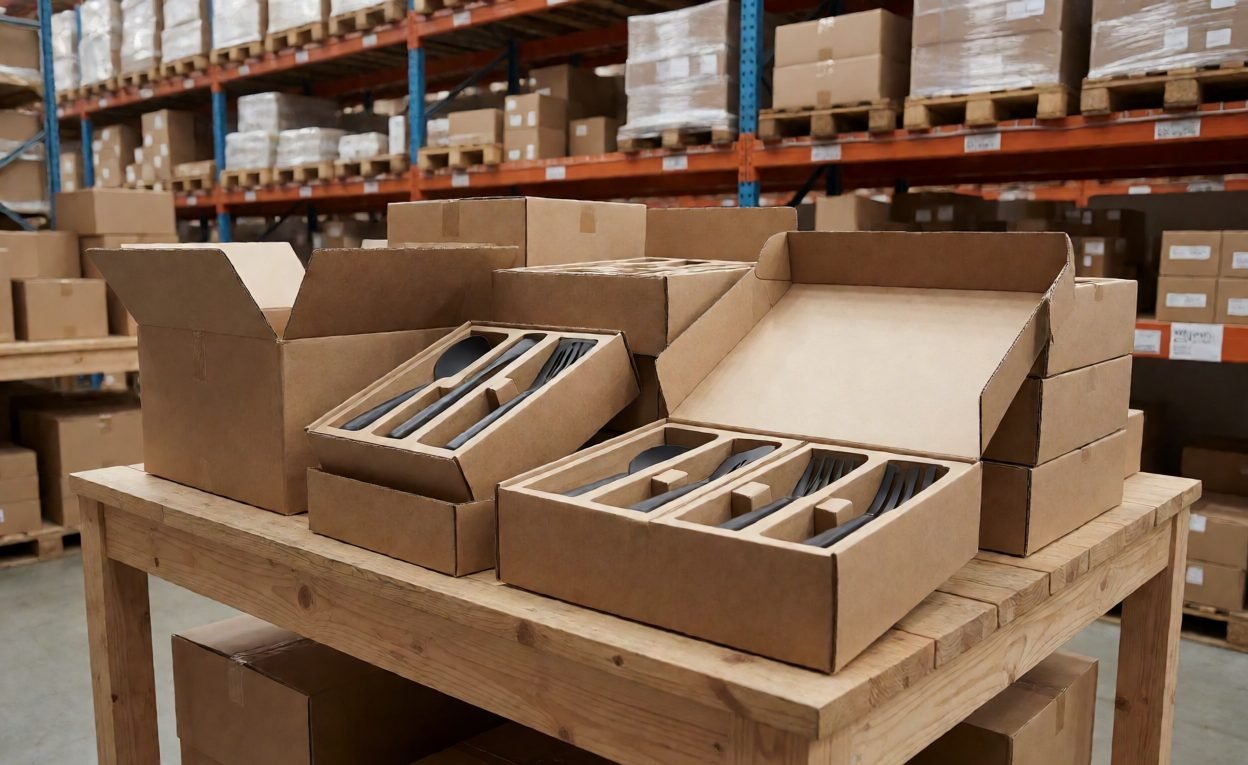
Kitchen utensil set OEM RFQ checklist
- Item list, dimensions, set quantity and target order quantity.
- Intended use and destination markets for each item.
- Material, grade, colour, finish and construction by component.
- Required claims and the test conditions and pass criteria for each claim.
- Requested compliance evidence for the specified materials and intended use.
- Packaging, artwork, labels, barcodes and language requirements.
- Sample requirements, approval process, inspection scope and target schedule.
Frequently asked questions
Is one temperature number enough for a utensil set?
No. The claim needs to refer to an agreed test method and conditions for the finished product, including exposure duration and the criteria used to judge the result.
Can every item in a set use the same material?
Possibly, if the selected material and construction meet the intended requirements for every item. Assess the components against their individual use conditions before standardising the set.
What should I send for an OEM quotation?
Send the item list, drawings or reference samples, materials and colours, target markets, planned quantities, packaging needs, required claims and target timing. The supplier can then identify information still needed to quote the project scope.
Which compliance documents should I request?
First provide the destination market and intended use. Ask for evidence that identifies the materials and configuration it covers, then have it reviewed against the product and claims planned for sale.
To discuss an OEM/ODM utensil set project, send DAYIN the RFQ details and sample priorities through the Contact DAYIN page.