




For a B2B robot vacuum order, battery and runtime claims need to describe the exact production-intent model and the conditions used to measure them. Ask suppliers to report both elapsed runtime and cleaned coverage under a defined setup. One result does not replace the other.
Before sample approval, agree the pack, firmware, cleaning mode, test environment, dock behaviour and acceptance plan in writing. The figures then become comparable across samples and production changes.
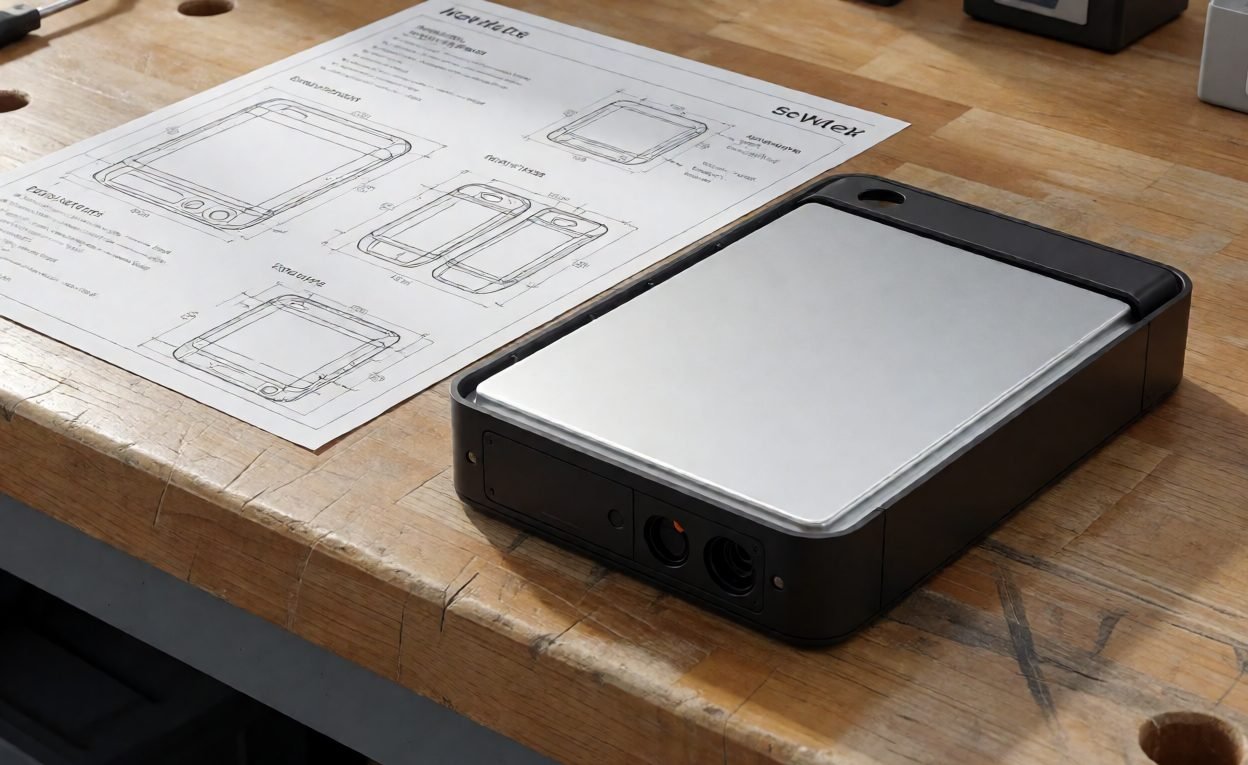
Battery Data to Include in an OEM RFQ
Identify the robot model and SKU, production-intent battery pack and firmware. For the pack, request its supplier and part number, chemistry, nominal voltage, rated capacity and watt-hour rating, pack configuration, protection and charging interface, and the supporting data sheet or test records available for the target market. Record approved alternatives separately; a cell, pack or charger substitution can change the result.
Also state whether the battery is intended to be user-replaceable, service-replaceable or non-serviceable. Ask what repair instructions, replacement parts, traceability and warranty terms apply in each target market. Treat these as product and service requirements to confirm with the supplier, rather than assuming one design choice fits every brand.
Define Runtime and Cleaning-Coverage Tests
Lock the test setup
Record the production model, pack, firmware, cleaning mode and power setting. Describe the test area and route, floor surfaces, rugs or transitions, obstacles, debris or other load, mapping state, room layout, ambient conditions, and the battery state at the start. Use the same setup for each comparison and identify any factor that differs.
Define when timing starts and stops. The endpoint might be a normal low-battery return, a product-controlled stop, or another agreed event; report which one occurred. Measure elapsed cleaning time and the area actually cleaned before that endpoint. Keep operating modes separate, and report any recharge-and-resume run separately from a single uninterrupted run.
Agree the number of units, repeats and pass criteria before testing. Report individual results and relevant variation under the agreed plan instead of selecting only the longest run or best coverage result.

Docking, Charging and Resume Behaviour
Write down the product behaviour required when charge becomes low: return to dock, stop, recharge, resume from the saved map, or another defined sequence. These are model-specific functions; verify the selected model rather than assuming a particular behaviour.
For a docking check, record dock placement and power, the robot’s start position and battery state, the command used, and the number of attempts specified in the test plan. Log each attempt, whether the robot reached the dock, whether charging began, any error indication, and whether the required next step occurred. Set the acceptance threshold and repeat plan with the supplier before evaluating samples. Do not report a success rate without its test conditions and attempt count.
Include contact alignment and charge initiation in the observation record. Where resume is a requirement, test the defined low-charge sequence and confirm whether the robot continues the remaining mapped work after charging. Use normal product controls and the supplier’s approved procedure.
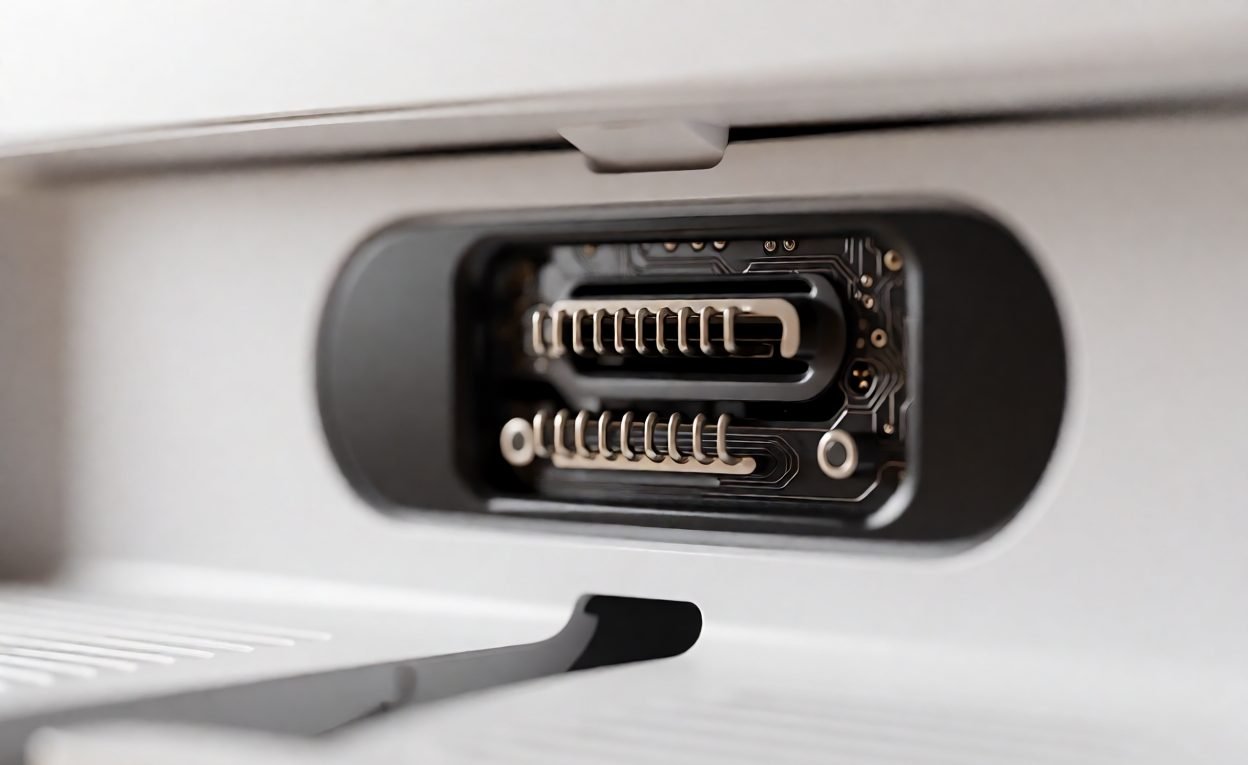
Cycle-Life Evidence and Battery Serviceability
If cycle life is part of the buying specification, define how it is measured: the capacity-retention endpoint, charge and discharge conditions, temperature, cut-off settings and the evidence expected from the supplier. Ask whether the data describes cells, a finished pack or the robot in use. Results depend on the tested configuration and conditions, so do not convert a cycle claim into a fixed calendar lifespan without supporting evidence.
For a replaceable pack, document the replacement method, approved pack identity, availability, service steps and any required reset or pairing procedure. For a service-only design, define the responsible service channel and repair information. Confirm warranty and supply terms for the markets where the product will be sold.
Battery Safety and Transport Are Separate Reviews
Request product-safety evidence for the exact battery and intended market. The IEC catalogue lists the consolidated IEC 62133-2:2017+AMD1:2021 version and describes its safety requirements and tests for portable sealed secondary lithium cells and batteries used in portable applications. Its scope should be checked against the selected battery and product by the responsible lab or compliance reviewer; it is not, by itself, a blanket certification for every finished robot vacuum.
Transport classification and shipping documents are a separate question. Requirements depend on the battery configuration, watt-hour rating, whether it ships alone, packed with equipment or contained in equipment, the route and transport mode. The U.S. PHMSA Lithium Battery Guide for Shippers provides configuration-specific U.S. shipping guidance. The UNECE page for the UN Manual of Tests and Criteria, Rev.8 and Amendment 1 provides the current manual files. Confirm the actual route, packaging and documentation with the shipper or a qualified dangerous-goods adviser.
Purchase-Specification Checklist
- Model, SKU, battery pack identity, firmware, charger and approved alternatives.
- Cleaning mode, floor and room setup, starting charge, environmental conditions and test endpoint.
- Separate runtime and cleaned-area results, with the reporting format agreed in advance.
- Required low-charge, docking, charging and resume behaviour, with a defined observation method.
- Sample quantity, repeat plan and acceptance criteria agreed before sample approval or production inspection.
- Battery serviceability, traceability, warranty and change-notification expectations.
- Market-specific product-safety evidence and separate transport classification/document responsibility.
Re-run the agreed checks when an approved battery, cell, charger, dock, firmware or other relevant configuration changes. For related performance topics, see our guides to robot vacuum pet-hair performance, LiDAR versus camera navigation, private-label verification and inspection and shipment readiness. To discuss a production model or OEM/ODM requirements, visit DAYIN’s robot vacuum manufacturing service.
FAQ
Should an OEM buyer specify runtime or cleaning coverage?
Specify and report both under named test conditions. Runtime is elapsed time; cleaned coverage is the area reached before the agreed endpoint. Neither figure is comparable without the operating mode, setup and endpoint.
What battery information belongs in an RFQ?
Identify the pack supplier and part number, chemistry, nominal voltage, rated capacity, watt-hour rating, configuration, charging interface and supporting data available for the intended market. Identify approved alternatives separately.
How should robot vacuum runtime be measured?
Define the starting charge state, production model and pack, firmware, cleaning mode, test area, environmental conditions, timing points and stop or return-to-dock endpoint. Report each result under the agreed repeat plan.
Should the robot recharge and resume cleaning?
That is a model-specific requirement. State whether return, charging and resume are required, then verify the selected sequence on the production-intent model under a defined test procedure.
How many samples should be tested?
Agree sample quantity, repeat count and acceptance criteria with the supplier before testing, based on the project and qualification plan. There is no single count that fits every order.
How can a buyer assess battery cycle-life claims?
Ask for the capacity-retention endpoint, cycling conditions, temperature, cut-off settings and evidence for the tested cell, pack or finished product. Do not infer a calendar lifespan unless the evidence supports it.
Are battery safety approval and transport documents the same?
No. Product-safety evidence and transport classification, packaging and documents are separate reviews. Confirm each for the exact battery, product, destination and shipping mode with the responsible compliance reviewer and shipper.