



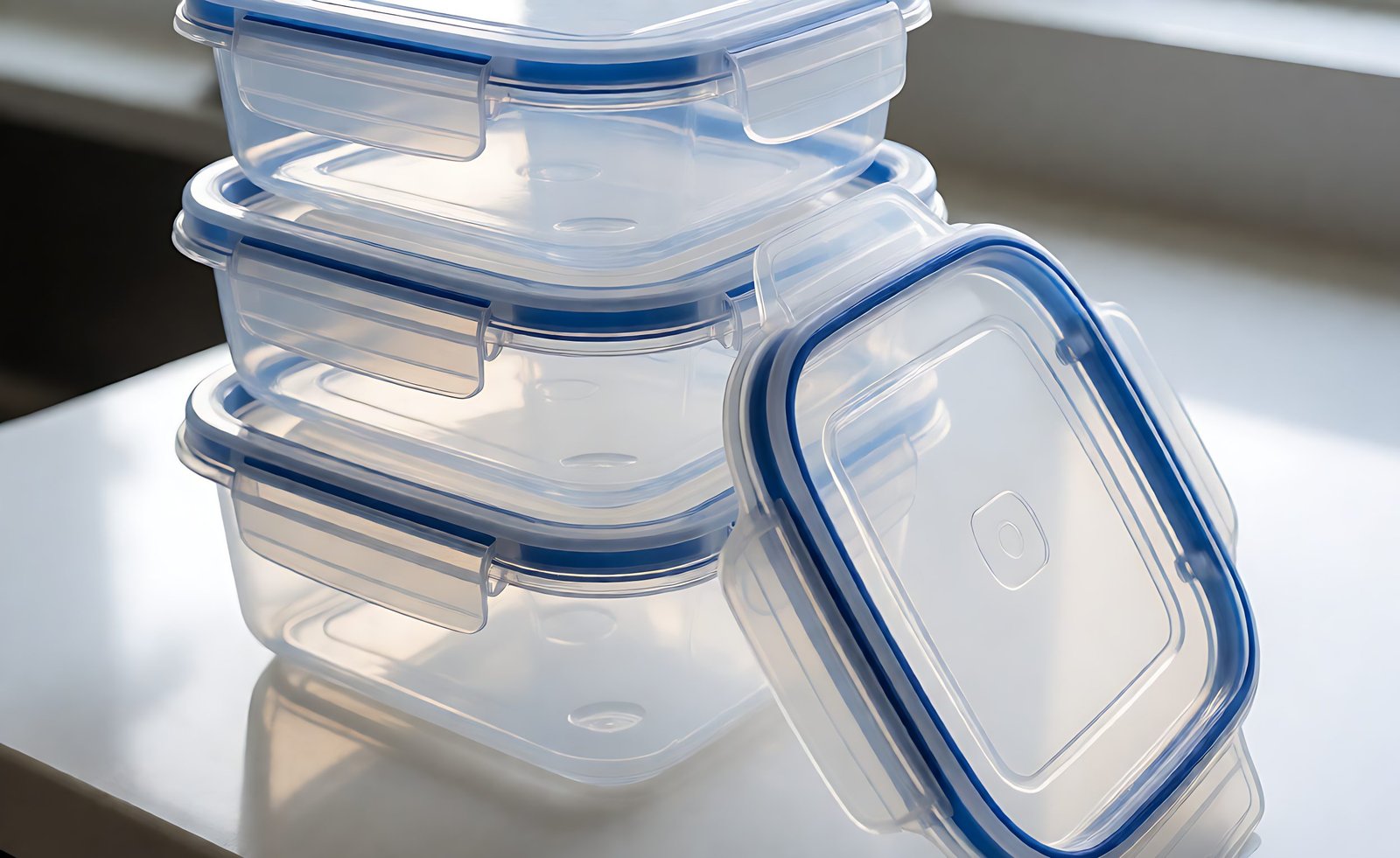
For a brand, importer or retailer developing a food storage container range, the lid specification should state what the sealed product is expected to do. Define the contents, use conditions and claim before comparing gasket or closure options. A result from one test setup should not be treated as proof for every liquid, orientation or product version.
This checklist helps buyers and suppliers build an RFQ and sample-approval plan around the finished lid and container.
1. Define intended use and the claim
Describe the conditions that matter for the specific SKU. “Leak-proof,” “airtight” or “splash-resistant” should be translated into a result the buyer can evaluate and a protocol the supplier can reproduce.
- Contents, fill level and any relevant consistency or temperature range.
- Storage and transport orientation, duration and handling conditions.
- Cleaning method and any repeated opening or closure use.
- Exact package or listing language planned for the product.
- Acceptable leakage or other failure criteria for each claim.
A liquid-leak check does not by itself establish gas, moisture or odour barrier performance. If one of those outcomes matters, define it separately and match the evidence to the wording used for that claim.
2. Specify the seal and closure architecture
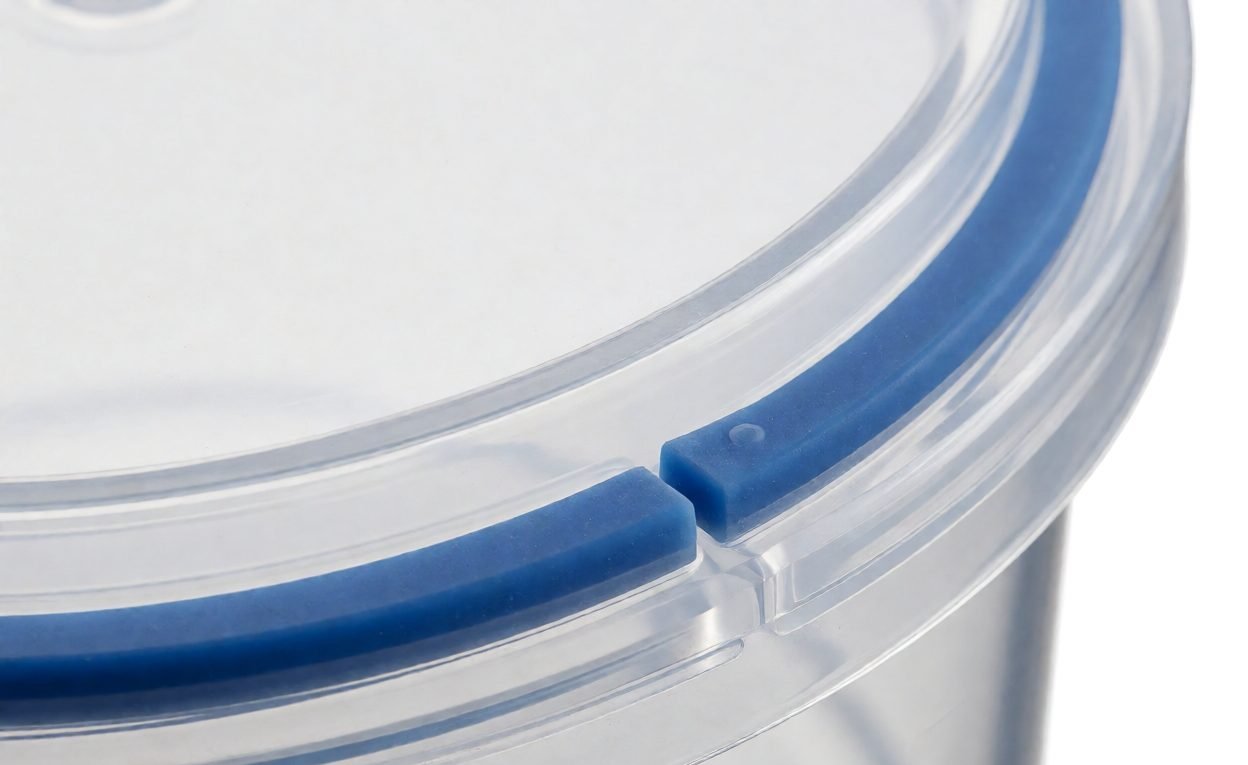
Document the interface between the container rim, lid, gasket and closure. Include the drawing revision, material and grade for each component, gasket dimensions and section, groove geometry, retention features, closure type and the way correct seating will be checked.
For a removable gasket, state how users are expected to remove, clean and reinstall it. Agree how the design will be evaluated for retention and reseating after the cleaning and use conditions named for the product. For clips, push-fit or threaded lids, describe the required opening force, engagement and visible or tactile seating criteria if they matter to the buyer.
Do not choose a gasket from the material-family name alone. Specify the proposed compound, geometry and operating conditions, then compare production-equivalent samples against the agreed requirements. For broader molded-resin selection, see the resin grade selection guide. For a molded lid or container program, review relevant production scope on DAYIN’s custom plastic injection molding service page.
3. Build a test protocol around the use case
Agree the sample configuration, closure state, fill conditions, orientation, duration, temperature, handling and pass criteria before testing. If the intended claim includes repeated use or cleaning, define the conditioning steps and then evaluate the seal on the conditioned product. Use the same lid, gasket, container body and assembly method planned for the approved production version.
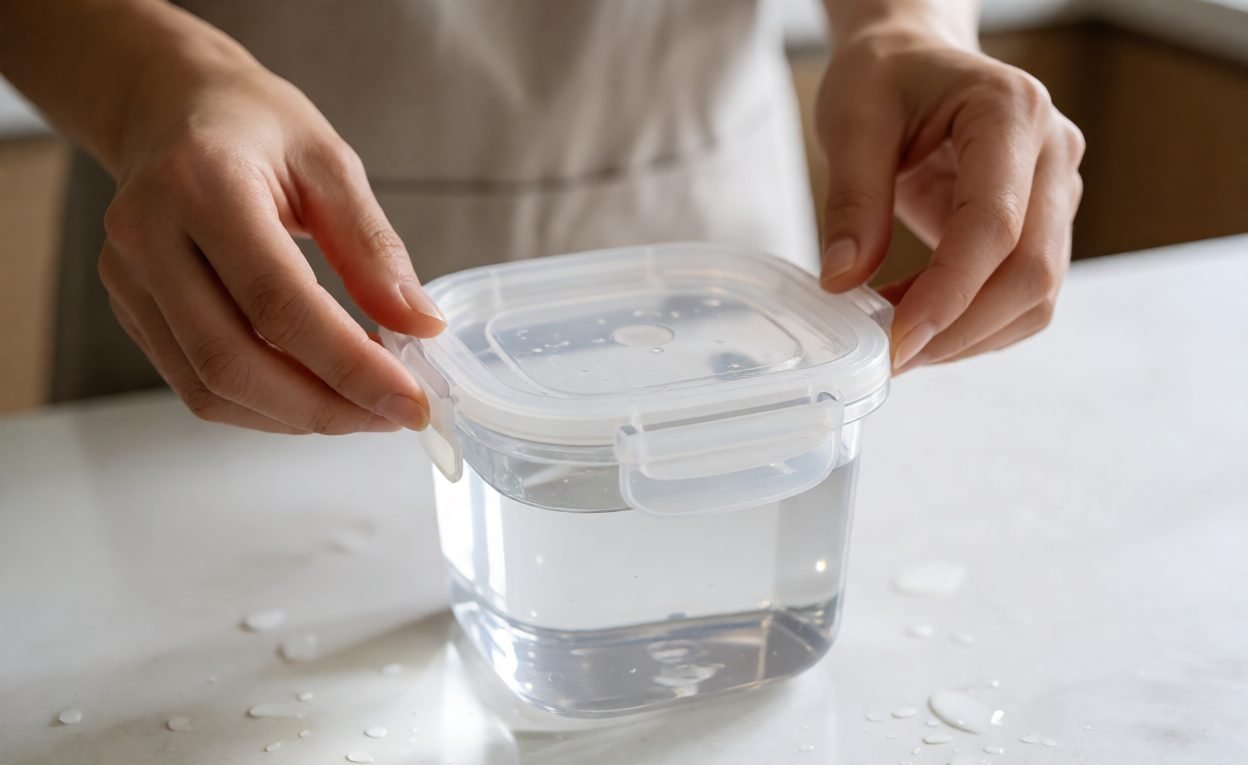
Where shipping conditions are part of the requirement, distinguish testing of the container from testing of its retail or shipper packaging. Record each protocol and result against the configuration it represents. Avoid presenting one pressure, inversion or transit check as a universal standard unless the buyer and supplier have defined its scope.
4. Approve the production-equivalent sample and claims
Retain the approved drawing, bill of materials, gasket details, sample and test record. Check that the package claim matches the test result and its limits. If a material, colour, gasket profile, closure feature, supplier or production process changes, review whether the sample and evaluation need to be repeated.
Food storage container lid RFQ checklist
- Container and lid drawings, revisions and component materials.
- Gasket compound, colour, dimensions and retention details.
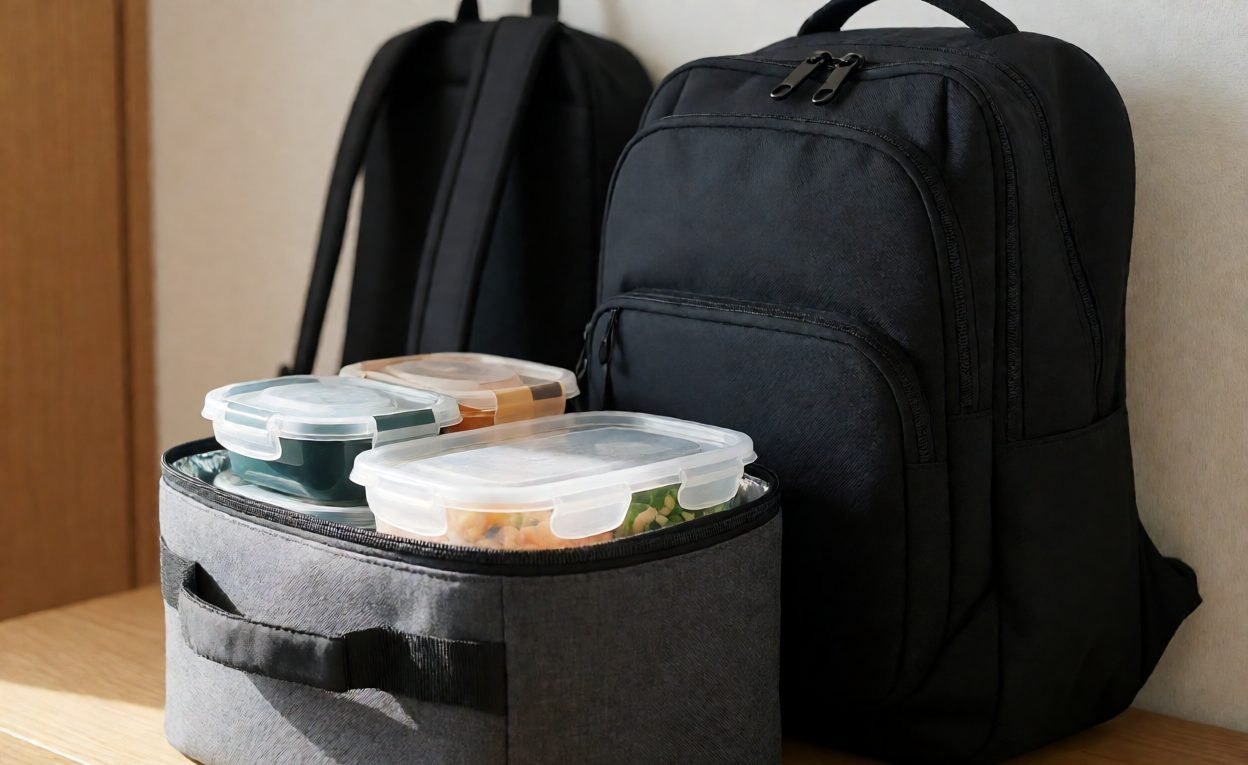
- Contents, fill conditions, use orientation, cleaning and transport requirements.
- Exact claims and the test conditions and acceptance criteria for each.
- Sample quantities and approval steps agreed for the project.
- Change-control and inspection criteria for production.
Use the AQL inspection guide to plan shipment inspection around the agreed specification. For a project discussion, send the lid drawings, target use and sample requirements through the Contact DAYIN page.
Frequently asked questions
What is the difference between “airtight” and “leak-proof”?
Define each claim for the specific product and market. A liquid-leak result does not automatically demonstrate gas or odour barrier performance.
Which gasket material should I specify?
Compare the exact proposed compound and gasket design against the intended contents, cleaning conditions and product requirements. There is no universal answer based only on a material-family name.
Why can a gasket come out of a lid?
Retention depends on the gasket, groove, lid flex, assembly and use conditions. Inspect the proposed interface and agree a repeatable removal, cleaning and reseating evaluation if the gasket is user-removable.
Should the gasket be removable for cleaning?
That depends on the product and cleaning instructions. If it is removable, verify that it can be taken out, cleaned and correctly reseated while meeting the agreed retention requirements.
Which closure type gives the best seal?
No closure is best for every container. Compare clip, push-fit or threaded designs against the project’s sealing criteria, opening needs and use conditions on production-equivalent samples.