




The application of injection mold processing is becoming increasingly widespread, and the number of injection mold suppliers continues to grow. So, what are the key points that need special attention when processing injection molds? Below, the editor from DAYIN Plastic will provide a detailed introduction.
First, the technicians at injection mold factories need to ensure that the injection molding material is in a molten state with the lowest viscosity inside the injection molding machine’s barrel. When the molten plastic passes through the narrow sections of the nozzle and mold runner, the temperature can quickly rise from 70-90°C to around 130°C, reaching a critical curing state. This is the point where the material’s flowability is optimal. At this stage, the injection pressure is typically between 118-235 MPa, and the injection speed is generally 3-4.5 m/s.
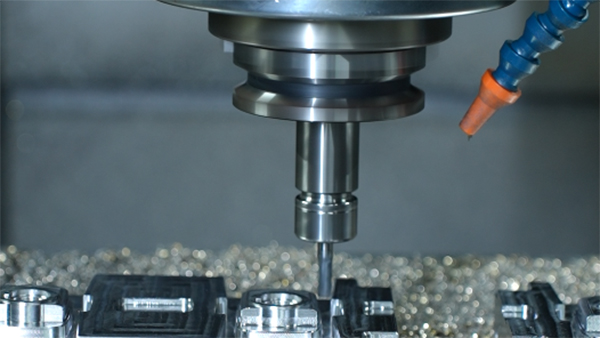
Secondly, thermosetting plastics typically contain more than 40% filler, which results in higher viscosity and frictional resistance, thereby increasing the injection pressure accordingly. In fact, nearly half of the injection pressure is consumed by the frictional resistance within the gating system. Additionally, during the curing reaction, the raw material releases water and gases, so the mold cavity must have a well-designed ventilation system to prevent defects such as bubbles from appearing on the surface of the injection-molded parts.
DAYIN Plastic Products Co., Ltd. has specialized in mold manufacturing for 30 years. As a professional OEM/ODM manufacturer, we provide one-stop services and excel in optimizing product structures to reduce mold opening and injection molding costs. Our company has a complete product design and manufacturing team, offering exceptional product design services. Equipped with advanced mold processing equipment and extensive mold-making experience, we provide manufacturing services for various plastic products. Our production base spans 50,000 square meters, with over 50 R&D personnel and more than 100 injection molding machines, committed to delivering high-quality manufacturing solutions to our customers.
Mold Processing: The Steps That Decide Steel’s Fate
Between design and first shot, the mold passes through processing steps that decide its working life:
| Step | What goes right | Failure mode when rushed |
|---|---|---|
| Steel selection and pre-hard | Grade matched to resin and volume | Corrosion or wear surprises |
| Rough machining | Stress relieved before finish | Distortion discovered late |
| Heat treatment | Hardness with documented certificate | Soft spots, early wear |
| Finish machining and polish | Surface grade matches cosmetic class | Texture mismatch at launch |
The heat-treatment row carries the certificate habit that separates disciplined shops: hardness documented per batch, traceable to furnace records, not asserted from experience. A mold is a capital asset whose maintenance cost is set at these steps — steel chosen a grade light, or stress relief skipped to hold schedule, shows up years later as a tool that polishes twice as often. The polish step closes the loop with the buyer’s cosmetic class: surface finish specified in numbers, sampled on a witness coupon, converts “shiny enough” from an opinion into a specification. Buyers visiting a molder can ask to see certificate files for recent tools; the filing system’s condition is a reliable proxy for the processing discipline behind it. The processing-controls view is in mold shop technical control, and the threading specialty in thread mold methods. Reference: heat treatment and machining practice.