




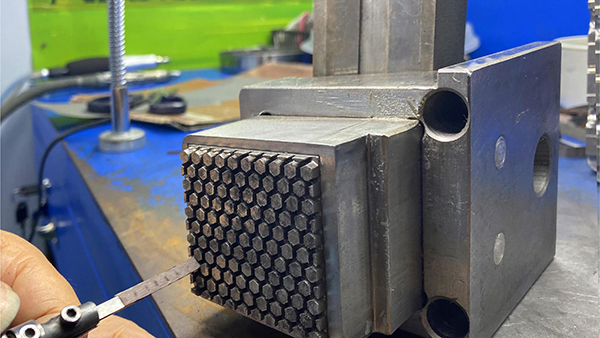
In the processing of thread molds at Dongguan plastic manufacturing factories, threads are generally categorized into internal and external threads. These threads commonly appear as standard or rectangular threads in injection-molded products. Depending on the application, factories can flexibly choose the appropriate thread type. For instance, in high-strength applications, sawtooth threads are ideal, while multi-start round threads are favored in everyday items like bottles and caps due to their ability to achieve a tight fit in a short time.
For injection-molded products, Dongguan plastic manufacturing factories adopt the following strategies:
- Processing Technology
- For plastic products with lower precision requirements, the factory uses a forced thread removal structure (non-rotational). This mold structure is simple and involves first retracting the core rod from the silicone rubber thread core, allowing the thread core enough space to contract before the product is forcibly ejected. However, it’s important to note that the silicone rubber thread core’s lifespan is relatively short, making this method more suitable for small-batch production.
- For plastic products requiring automatic thread removal, a non-forced thread removal structure (rotational) is used, which can be implemented in various ways.
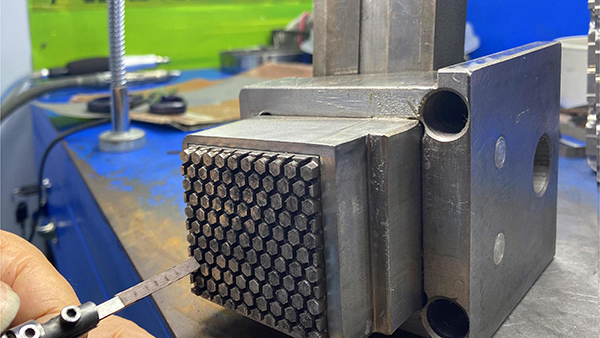
- Design Strategies
- Before designing a thread mold, it is essential to clarify the specific requirements of the product, including key details such as the outer diameter of the thread, pitch, thread length, as well as thread specifications, direction, and number of starts. These factors will significantly influence the mold design process.
- During the design process, the basic mold structure must be considered, including components such as the mold base, positioning pins, guide pillars, and plates to ensure the mold’s strength and stability. The core cavity design should closely align with the product’s size and shape, taking into account moldability, venting performance, and cooling efficiency, all to ensure the final product’s quality and performance.
DAYIN Plastic Products Co., Ltd. specializes in home appliance mold manufacturing and offers OEM/ODM services. As a comprehensive solution provider integrating R&D and manufacturing, DAYIN’s self-developed products include robotic vacuum cleaners, plastic tableware, and electronic dartboards. With 30 years of mold development experience, over 50 R&D personnel, and more than 100 injection molding machines, we are committed to delivering high-quality manufacturing services and creating value for our customers.
Thread Molds: The Rotating Challenge
Thread molds add rotation to a process that otherwise only opens and closes. The mechanical options:
| Option | Mechanism | Best fit |
|---|---|---|
| Unscrewing core | Motor-driven rotation at ejection | Precision threads, volume |
| Collapsible core | Radial collapse, no rotation | Internal threads, moderate volume |
| Thread jump thread | Part coasts off formed thread | Flexible resins, shallow threads |
| Two-part split core | Split line through thread | Low volume, visible seam acceptable |
The unscrewing row carries the maintenance story: rotating cores add bearings, seals and drive alignment to a tool’s service list, and their maintenance plan should be quoted with the tool, not discovered with it. The jump-thread row is the quiet favourite of resin-savvy designers — flexible resins coast off shallow formed threads without any mechanism at all, and every mechanism avoided is maintenance never scheduled. The collapsible row prices its complexity honestly: collapsing fingers create parting lines inside the thread that the part class must accept, a cosmetic decision best made at design review rather than at first sample. Thread molds reward the factories that have run them before — the learning curve is real, and reference parts with serviceable threads are the fastest proof. The machining foundation is in mold processing key points, and the metals shop behind it in stainless processing. Reference: thread geometry and machining practice.