




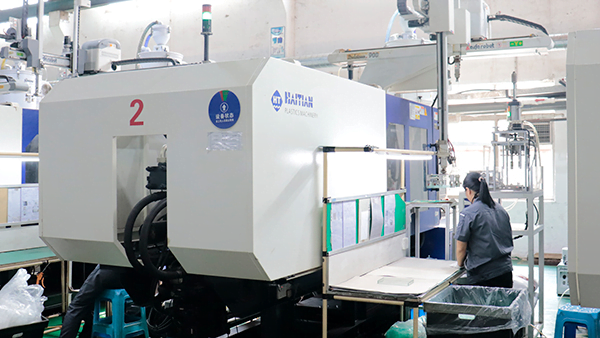
The surface quality of injection molded products is not only influenced by cavity temperature but also by the choice of mold steel and plastic materials, which play a crucial role. For this reason, DAYIN Plastics has specially prepared an article discussing the production of high-gloss mirror-finish injection molded products, exploring the importance of each stage in the injection mold manufacturing process. Next, DAYIN Plastics will explain the key considerations for selecting high-gloss mold steel and plastic materials.
- Selection of Mold Steel
The performance and lifespan of a mold are directly related to the steel used. The requirements for mold steel vary depending on the working conditions and external environment. Beyond basic requirements, certain characteristics need special attention. For example, the cavity steel used in large high-gloss plastic molds must not only have good machinability, EDM performance, and weldability but also excellent polishability and high hardness.
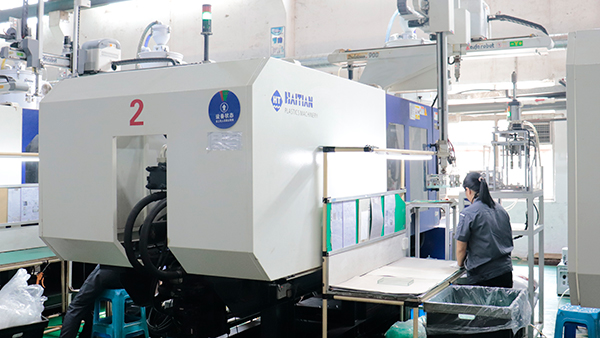
- Design of the Ejector Mechanism for High-Gloss Molds
In high-gloss mold design, ejector mechanisms are commonly used, especially in the design of high-gloss molds for LCD front covers.As previously mentioned, due to the structural requirements of high-gloss molds, screw bosses must be treated specifically to prevent shrinkage, which is where the ejector mechanism comes into play. To ensure good contact between the display screen and the front cover, the surface of the cover is usually pre-deformed. Therefore, careful attention is required during product optimization and ejector design to ensure that the product is ejected without defects like flashing or surface whitening, ultimately producing a qualified product.
DAYIN Plastic Products Co., Ltd. specializes in home appliance mold manufacturing, providing OEM/ODM services. As a comprehensive solution provider integrating R&D and manufacturing, DAYIN’s self-developed products include robotic vacuum cleaners, plastic tableware, and electronic dartboards. With 30 years of mold development experience, over 50 R&D personnel, and more than 100 injection molding machines, we are dedicated to delivering high-quality manufacturing services and creating value for our customers.
High-Gloss Parts: The Chain of Clean Surfaces
High-gloss parts are manufactured by a chain, and the gloss is only as good as the weakest link:
| Link in the chain | Gloss contribution | Common break point |
|---|---|---|
| Mold polish grade | The mirror itself | Polish handed to unqualified hands |
| Resin drying | Streak-free melt | Moisture assumed, not measured |
| Mold temperature | Surface replication | Cold spots on thin cores |
| Handling after ejection | Preserving the finish | Bare hands on Class-A faces |
The drying row is the cheapest insurance in the chain: measured moisture, not a timer’s opinion, and the streak evidence appears on the first shot rather than the first batch. The handling row is where good glosses die quietly — a fingerprint on a Class-A surface survives every downstream process into the box, so gloved fixtures and protected trays belong in the standard work, not in the quality alert. Buyers evaluating a high-gloss source can shortcut much of the conversation by inspecting a candidate factory’s existing glossy parts under raking light: streaks, dull patches and flow marks tell the whole chain’s story at a glance. The gloss-lifting techniques are in enhancing gloss in appliance molds, and the transparent cousin in transparent appliance parts. Reference: surface finish grades and process context.