


Blog
Injection Molding for Electronics & Telecom: B2B RFQ Guide
A B2B RFQ guide for injection molded electronics and telecom parts, covering resin grades, interfaces, critical tolerances, inserts, inspection and sample validation.

 English
A B2B RFQ guide for injection molded electronics and telecom parts, covering resin grades, interfaces, critical tolerances, inserts, inspection and sample validation.

A robot vacuum OEM quality audit should test whether the supplier can build and document the configuration defined for the buyer’s program. Start with the exact model, revision and scope; then review the records and sample...
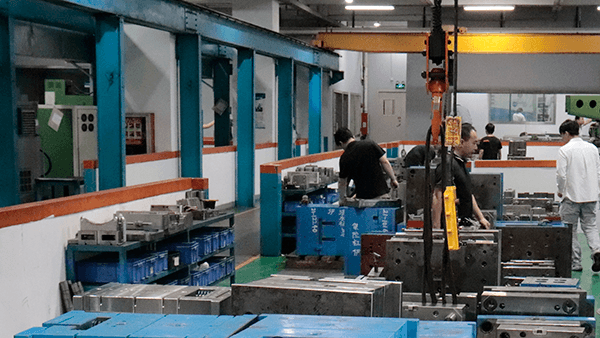
Injection molding product development involves more than completing a CAD model. Before a tool is released, the buyer and supplier need to agree on what the part must do, which material and grade are under consideration,...
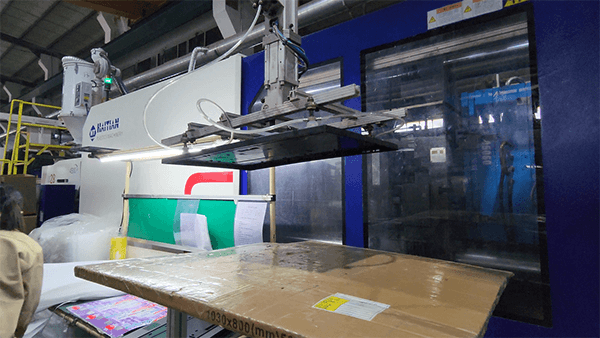
Gate placement affects how a cavity fills and where a gate mark, weld line, or air trap may appear. The best location is specific to the part, resin grade, tool layout, surface requirements, and molding process....
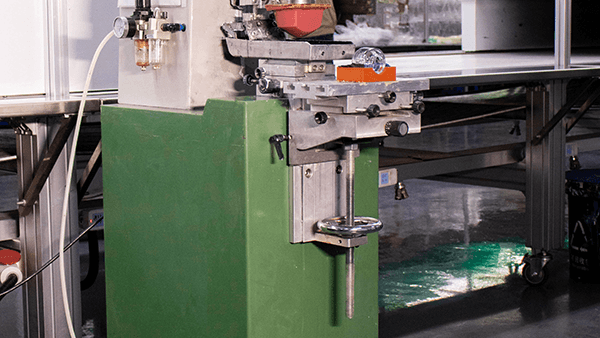
Installing an injection mold on a production machine involves tooling, machine compatibility, site safety, process transfer, and sample approval. The actual lifting, clamping, utility connection, ejection, and commissioning sequence depends on the mold, machine model, approved...
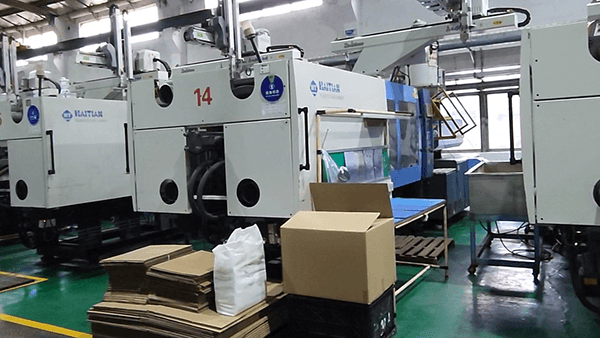
With increasing market competition and rapid technological advancements, injection molded part processing techniques are constantly evolving. Currently, injection mold manufacturing companies, both domestically and internationally, widely adopt advanced technologies such as CAD/CAM, 3D printing, high-speed cutting,...

Qualifying an injection mold supplier requires evidence about the specific tool and project scope. A general capability statement does not show who will design and build the mold, how changes will be controlled, or what the...