




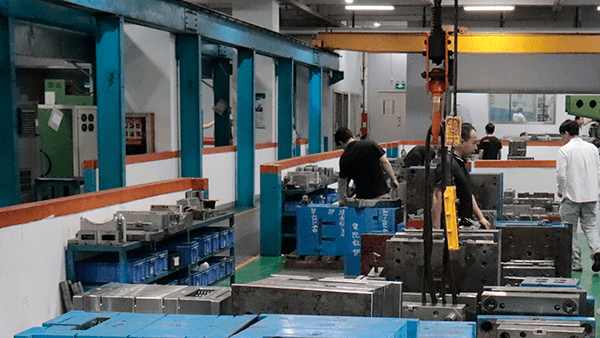
Injection molding manufacturers need to consider the feasibility of mold design and manufacturing at the early stages of new product development. Many users focus on the speed of product design and development, thereby overlooking the importance of proper communication units in injection molding.
- Ensure the structural integrity of mold manufacturing, improve mold design plans, and enhance product molding quality.
- Mold manufacturers can prepare in advance, allowing buffer time and preventing rushed decisions.
- Only through effective communication between product developers and mold manufacturers can mold production cycles be shortened, reducing modifications and testing, and saving unnecessary costs and waste.
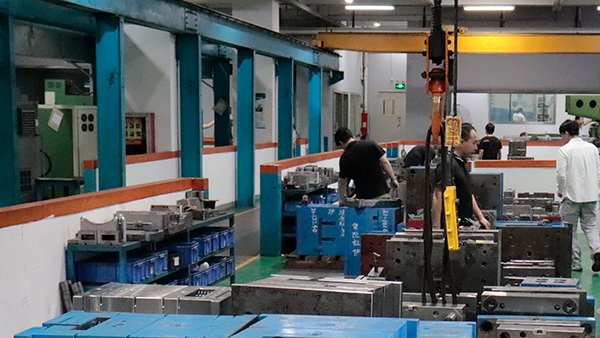
Basic methods to improve injection mold quality include recognizing that mold design is one of the most critical steps. To enhance mold quality, many factors must be considered, such as material selection, structural feasibility, safety, mold machinability, and ease of maintenance. The design process requires careful consideration, and the manufacturing process is also a crucial aspect in ensuring mold quality.
With 30 years of specialization in mold manufacturing, DAYIN Plastic Products Co., Ltd. operates as a professional injection molding and OEM/ODM provider, offering comprehensive one-stop services. We excel in optimizing product structures to reduce molding and injection costs. Our complete product design and manufacturing team delivers exceptional design services, and with extensive mold processing equipment and years of mold-making experience, we support various plastic product manufacturing needs. Our facilities include a 50,000-square-meter production base, 30 years of mold development expertise, over 50 R&D personnel, and more than 100 injection molding machines.
Design-for-Molding: The Developer’s Checklist
Most molding problems are designed in before steel is cut. Five checks catch the majority:
- Draft angle — 1–2° minimum on vertical walls; textured surfaces need more.
- Uniform wall — within ±10–15%; transitions cored, not stepped.
- Radii everywhere — sharp corners are stress risers and flow stoppers.
- Gate strategy — location chosen for fill balance, marks placed where nobody looks.
- Undercut honesty — every undercut costs action (slider, lifter, or redesign); each is priced, not wished away.
The checklist matters most at the handoff between product design and molding supplier: a DFM review that ends with written, accepted changes prevents the classic cycle of trial, crack, rework, delay. Factories that run structured DFM consistently deliver first articles closer to intent — and buyers can test this claim in the first ten minutes of a quotation call by asking what the DFM report contains. The method is expanded in design basics and product design optimization. Reference: design for manufacturability and injection moulding.
The DFM Meeting, Run Right
A design-for-molding review is worth its cost only when it produces decisions. The format that works: the part designer presents function and constraints, the molding engineer presents fill simulation and tooling implications, and both leave with a written list — each item marked accept, modify, or cost-impacting. Two behaviors signal a healthy review: geometry changes are made against the checklist from our earlier section (draft, wall, radii, gate, undercuts), not against taste; and disagreements are settled by the part’s function, not by seniority. The deliverable is a one-page DFM report with the accepted changes drawn on the model — the document that prevents the classic cycle of trial, crack, rework, delay. Buyers can request this report as a standard deliverable; suppliers who produce it unprompted have already shown how they handle problems.