




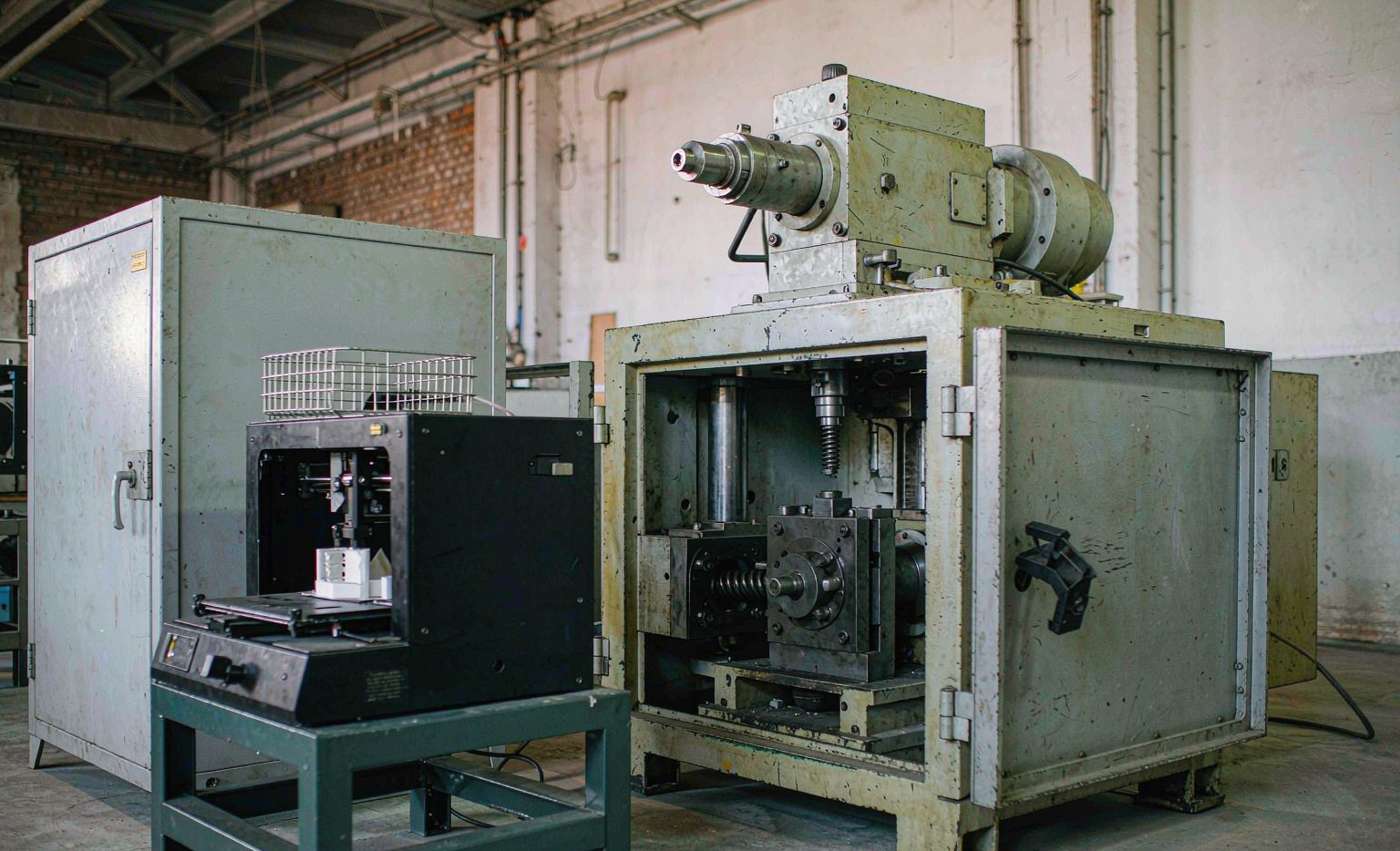
Engineers choosing between injection molding and 3D printing usually frame it as “prototype vs production.” The honest answer is about volume, unit cost and lead time: below a few hundred parts, printing wins; above a few thousand, molding wins decisively. This article puts real numbers on the crossover so the decision is a calculation, not a habit.
The whole comparison reduces to one structural fact: molding pays a big tooling cost once, printing pays a small cost every time. Those two cost curves cross at a volume that depends mostly on part size and complexity.
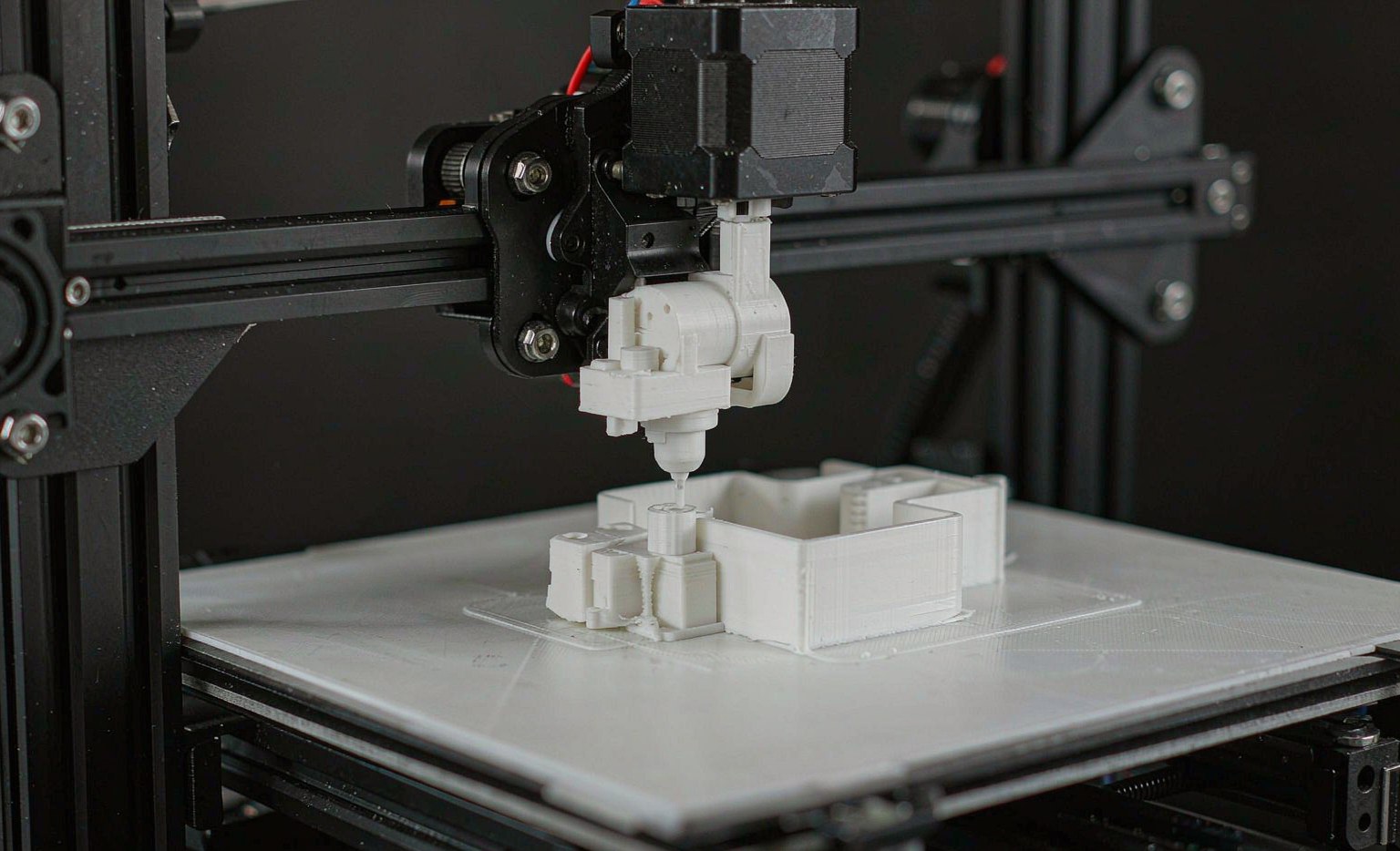
Điểm cân bằng chi phí
Sự thật kinh tế định nghĩa là đúc ép phun mang theo chi phí cố định lớn khuôn cost up front, while printing carries almost none. That makes per-part cost fall steeply with volume for molding and stay roughly flat for printing.
| Yếu tố | Ép nhựa thành hình | In 3D |
|---|---|---|
| Chi phí khuôn | Từ 1,000 đến 100,000+ (nhôm đến thép) | Không có |
| Thời gian giao khuôn | 2 – 8 tuần (thường là 4 – 6) | Không có |
| Thời gian giao chi tiết | Vài giây mỗi chu kỳ, sau khi có khuôn | Vài giờ đến vài ngày mỗi chi tiết |
| Chi phí đơn vị ở số lượng thấp | Cao (chi phí khuôn phân bổ trên ít chi tiết) | Thấp |
| Chi phí đơn vị ở số lượng cao | Rất thấp | Cao (không có lợi thế kinh tế theo quy mô) |
Điểm hòa vốn nằm ở đâu
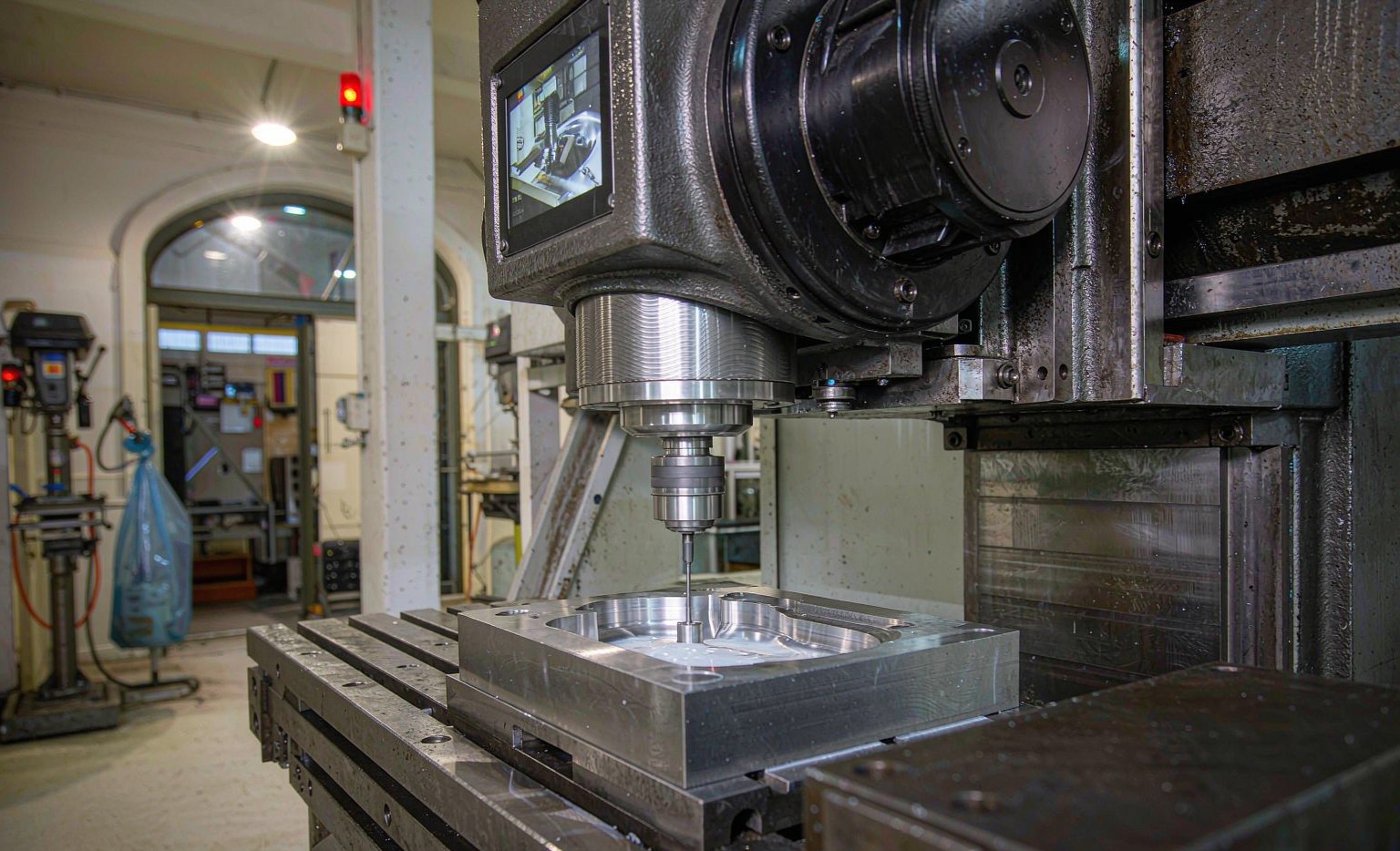
Across typical small-to-medium parts, the molding-versus-printing crossover lands around 100 đến 1,000+ đơn vị, depending on part size, wall thickness and material. Below that band, the tooling cost dominates and printing is cheaper; above it, molding’s per-part economics take over.
For very large or complex tools the crossover shifts higher, and for very small simple parts it can drop below 100. The exact number is arithmetic once you know the tooling quote and the per-part prices.
Tính chất cơ học và vật liệu
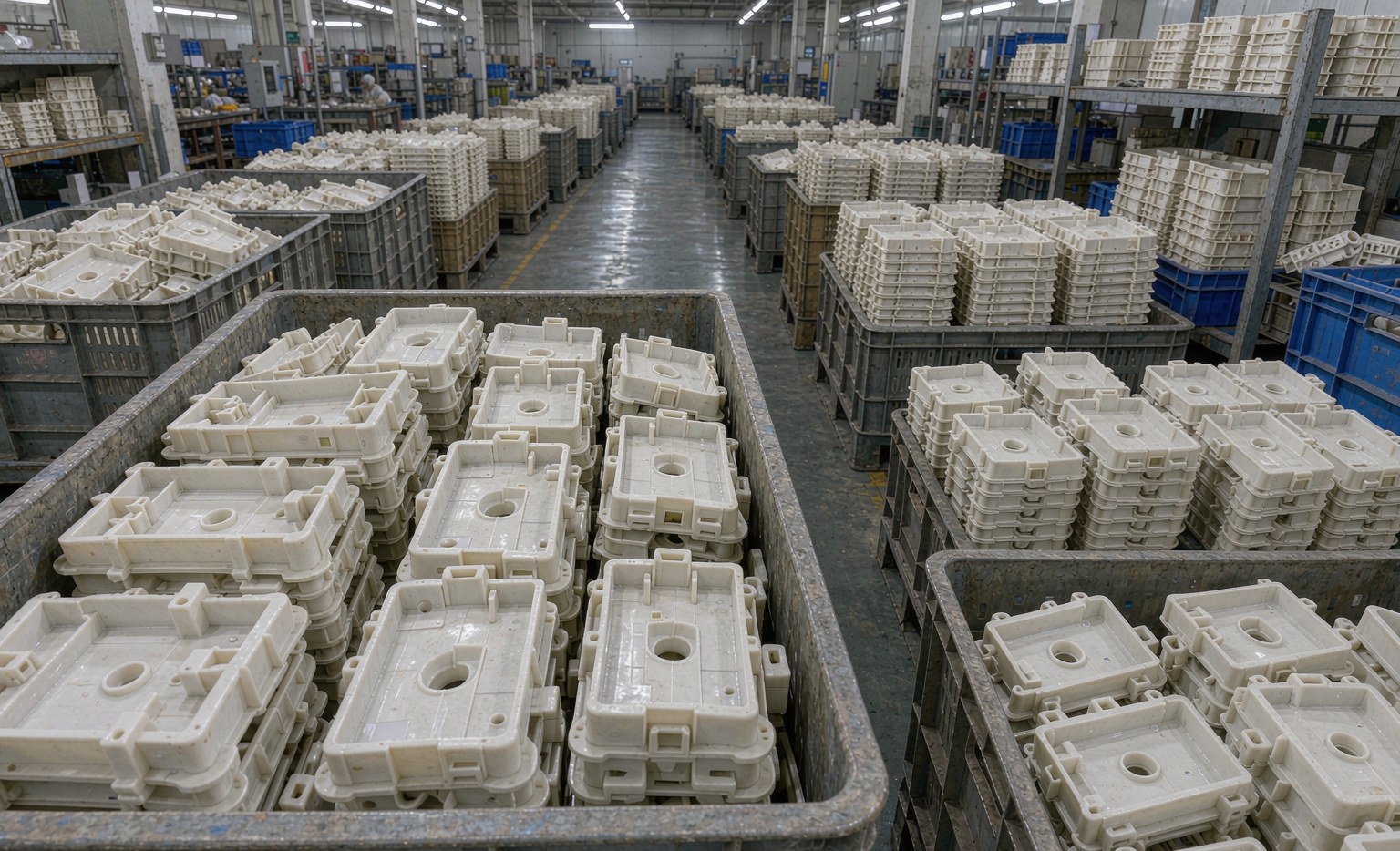
| Khía cạnh | Ép nhựa thành hình | In 3D |
|---|---|---|
| Độ bền | Đẳng hướng, không có đường lớp | Dị hướng giữa các lớp |
| Bề mặt hoàn thiện | Định nghĩa bởi khuôn, có thể lặp lại | Có đường lớp nếu không được hoàn thiện |
| Dải vật liệu | Hầu hết nhựa nhiệt dẻo + một số nhựa nhiệt rắn | PLA, ABS, nylon, nhựa tổng hợp, PEEK, kim loại |
| Tự do hình học | Cần góc thoát, không có gờ lõm nếu không có khuôn trượt | Lưới, kênh dẫn đồng dạng |
Chọn cái nào
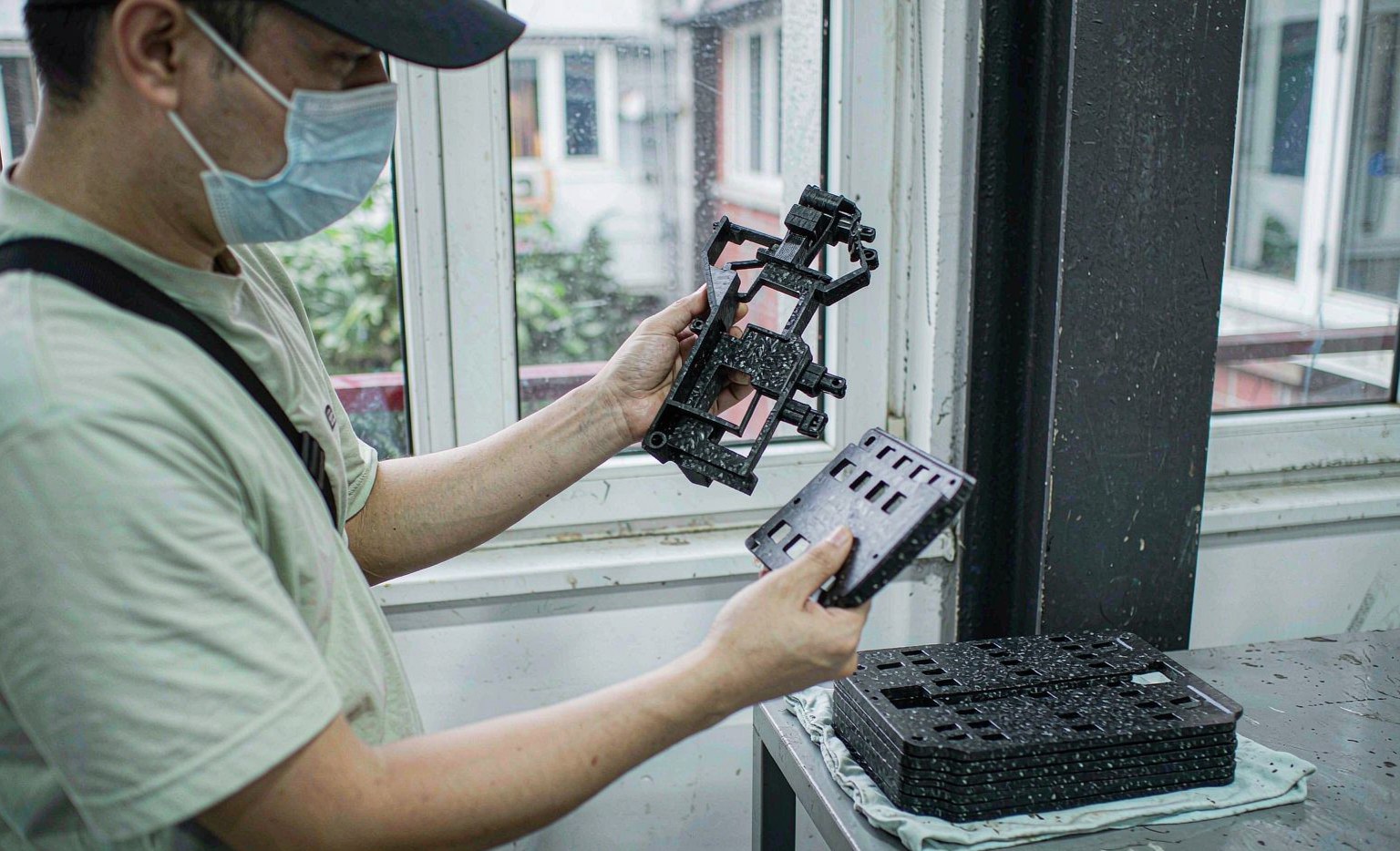
- Chọn in 3D cho mẫu thử, đồ gá, các bộ phận tùy chỉnh sản lượng thấp, và các hình học khó tạo khuôn (làm mát đồng dạng, lưới bên trong).
- Chọn đúc khuôn cho bất kỳ lô nào vượt qua điểm hòa vốn, nơi chi phí đơn vị, sự đồng nhất về cơ học và độ hoàn thiện bề mặt quan trọng.
Printing also wins whenever the design may still change, because a design change costs nothing in tooling; molding locks the design in steel, so it belongs after the design is frozen.
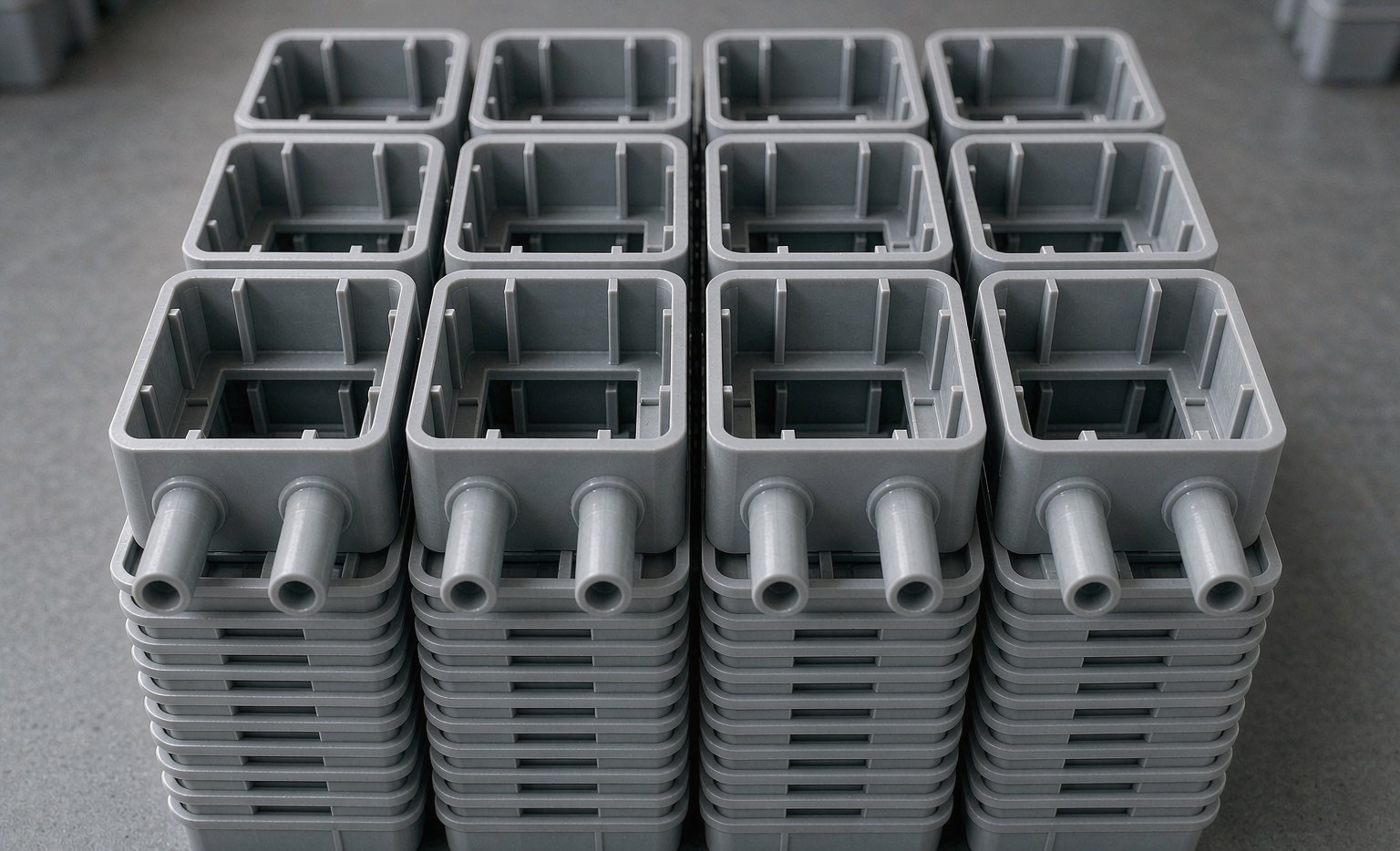
Many programs use both: print for validation and bridge production, then move to molding once the design and volume justify the tool. The mistake to avoid is committing to molding too early (for a part that may change) or to printing too late (paying per-part premiums at scale). Put the volume on one side of the crossover and the process follows.
Câu hỏi thường gặp
Ở mức sản lượng nào tôi nên chuyển sang đúc khuôn? Roughly a few hundred to a thousand units for typical parts, once the design is frozen.
Nhựa in có cứng như đúc khuôn không? Usually not across layers; molded parts are largely isotropic and better in load-bearing use.
Tôi có thể đúc khuôn trực tiếp thiết kế in 3D không? Only after adding draft and removing undercuts; printing tolerates geometry molding cannot.
Chi phí khuôn có tăng theo kích thước bộ phận không? Yes — large parts need bigger molds and presses, pushing both tooling and machine cost up.
Chuyện gì xảy ra với sản xuất cầu nối? Print bridge quantities while the tool is cut, then switch; it keeps launch on schedule.
Độ hoàn thiện bề mặt có phải là chi phí ẩn không? Often — printed parts may need sanding or vapor smoothing that erodes the apparent cost advantage.
Khi điểm hòa vốn thay đổi
The break-even volume is not fixed. A larger part needs a bigger mold and press, so tooling rises and the crossover shifts up; a small, simple part can cross over below a hundred units. Material also matters: an engineering resin that prints poorly but molds cheaply tips the balance toward molding sooner, while a part needing a lattice or conformal cooling stays a printing job at almost any volume.
Ví dụ chi phí thực tế
Assume a part printing at $8 each and molding at $0.60 each with a $6,000 tool. The break-even is 6,000 / (8 − 0.60) ≈ 810 parts. Below that, print; above it, mold. Change the tool to $20,000 and the break-even rises to about 2,700 parts, which is why complex tools push the crossover higher.
The arithmetic is simple; the difficulty is estimating the tooling quote and the real printed part cost (including post-processing) before committing.
Hybrid approaches
Many teams print a functional prototype, then use the same printer for bridge production while the mold is cut, so launch is not delayed by tool lead time. Others mold the high-volume core and print the low-volume variants or personalization on demand — a combination that captures both economies.