



工程師在選擇注塑成型與 3D 列印時,通常會將其定位為「原型對比量產」。誠實的回應在於 產量、單位成本與交貨時間:低於幾百個零件時,列印勝出;高於幾千個時,注塑成型具有決定性優勢。本文將 crossover 點列出具體數字,使決策變成計算,而非習慣。.
整個比較可歸納為一個結構性事實:注塑成型一次性支付高額模具成本,而列印每次支付較低的成本。這兩條成本曲線在一個主要取決於零件尺寸與複雜度的數量上相交。.
成本 crossover
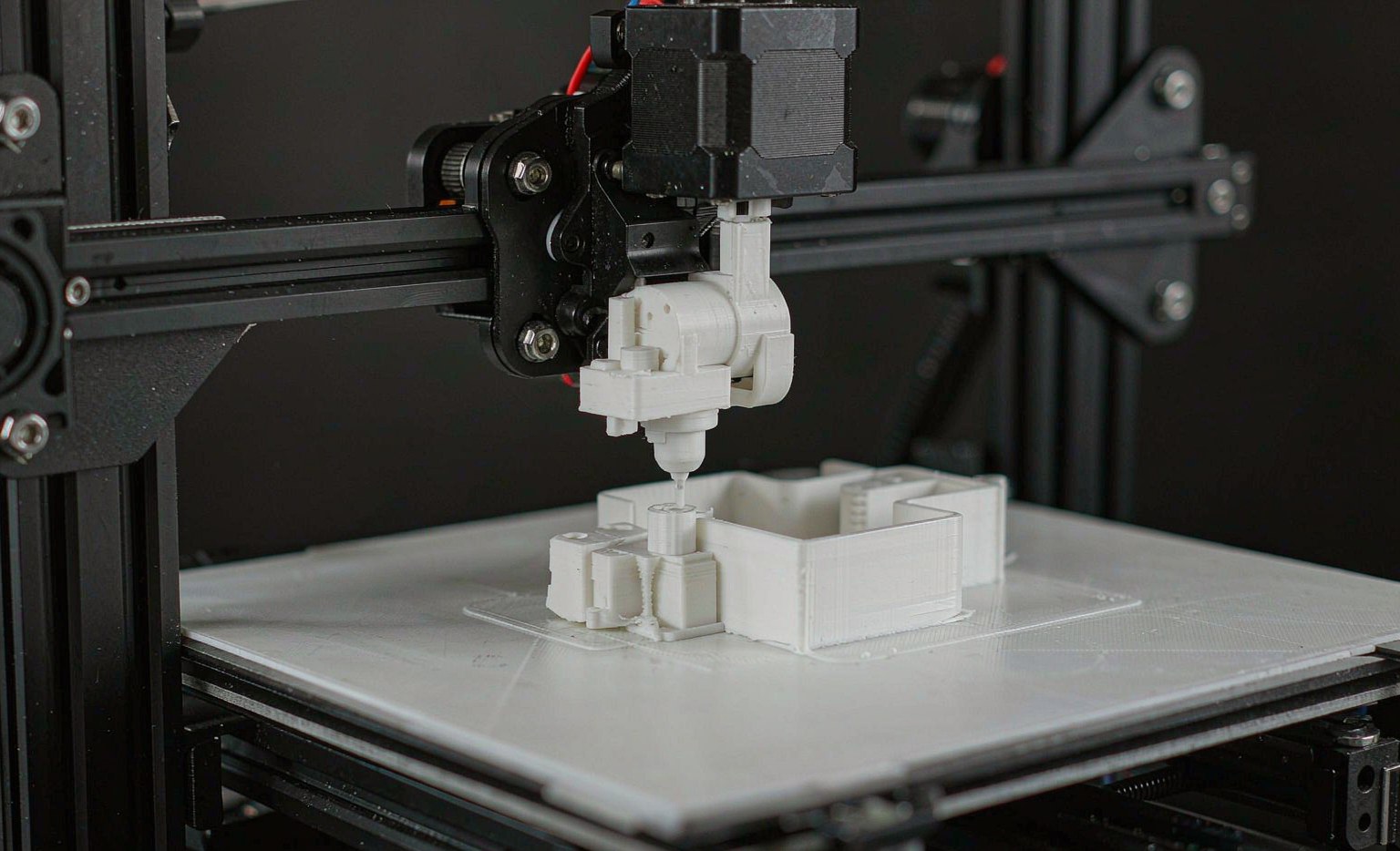
定義性的經濟事實是,成型前期承擔大量固定 工具 前端成本較高,而列印幾乎沒有此類成本。這使得注塑成型的單件成本隨產量增加而陡峭下降,而列印則大致保持平穩。.
| 因素 | 註塑成型 | 3D列印 |
|---|---|---|
| 工具成本 | $1,000 – $100,000+(鋁到鋼) | 無 |
| 工具交貨時間 | 2 – 8 週(通常為 4 – 6) | 無 |
| 零件交貨時間 | 工具完成後,每個循環秒級 | 每個零件需要數小時到數天 |
| 低產量時的單位成本 | 高(工具成本分攤在少量零件上) | 低 |
| 高產量時的單位成本 | 非常低 | 高(無規模經濟) |
crossover 所處位置
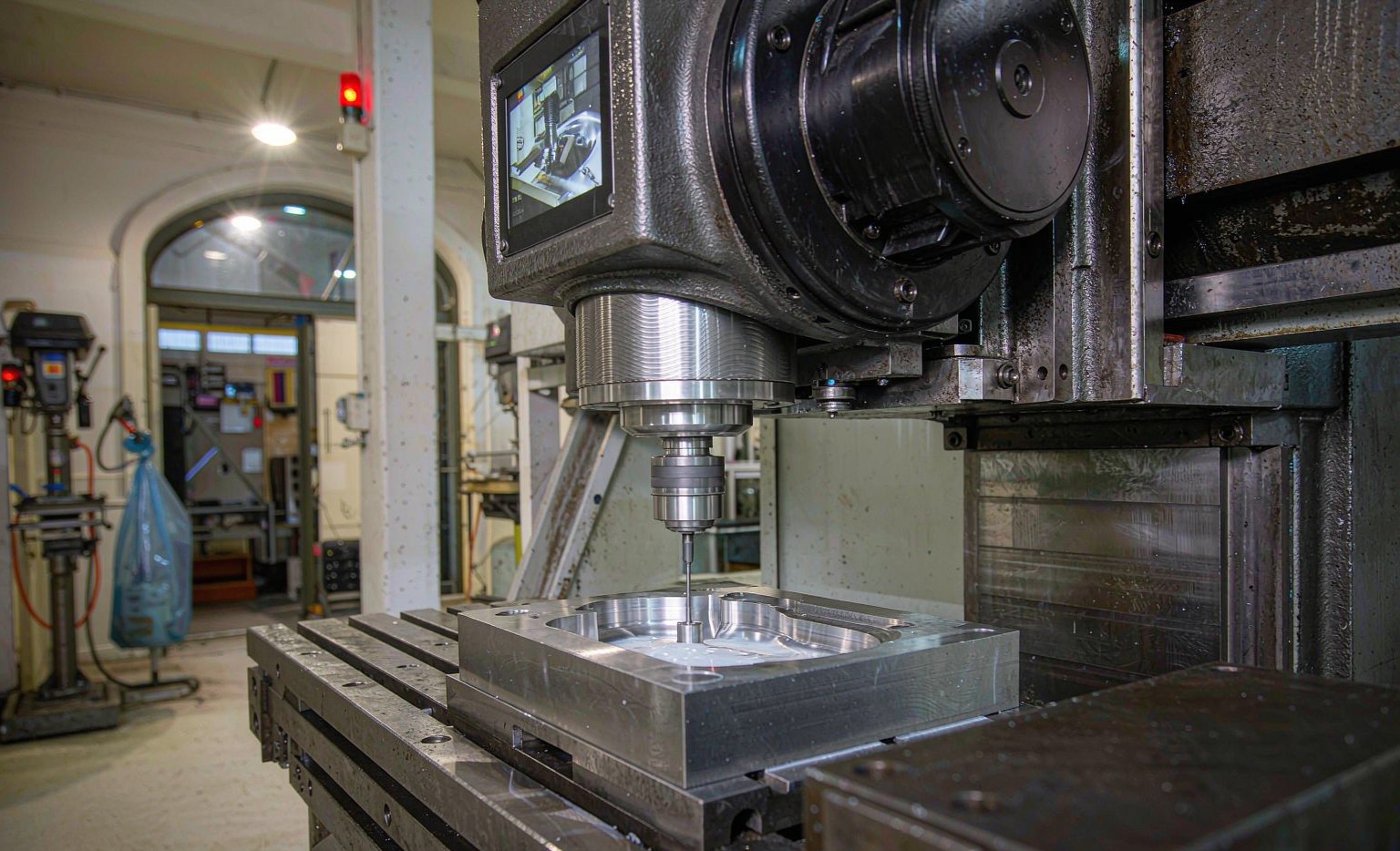
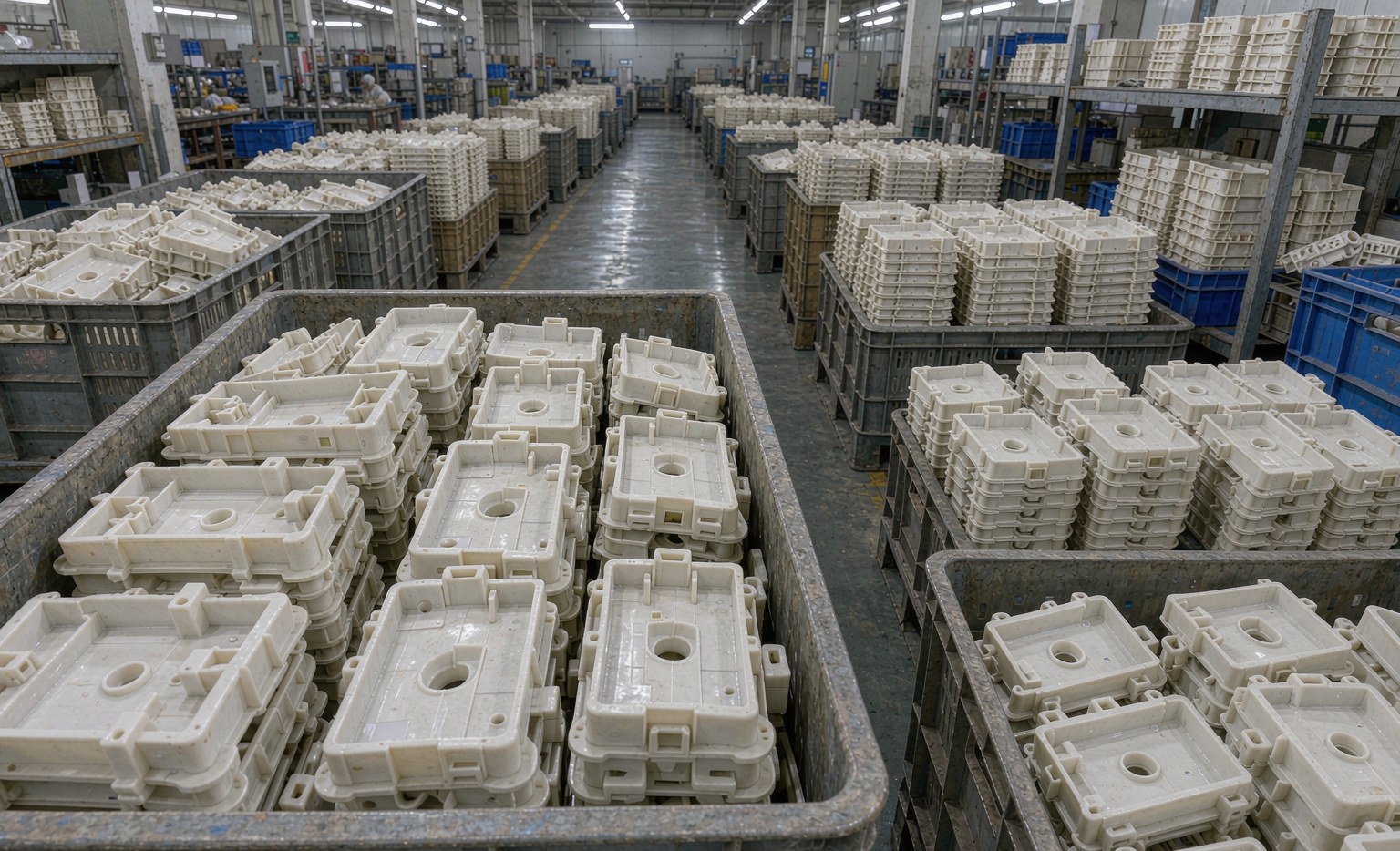
針對典型的小型到中型零件,成型對比列印的 crossover 落在 100 到 1,000+ 個單位, 取決於零件尺寸、壁厚和材料。在此區間以下,模具成本佔主導地位且列印更便宜;在此區間以上,注塑成型的單件經濟效益則取而代之。.
對於非常大或複雜的模具,crossover 點會向右移動;對於非常小且簡單的零件,它可能降至 100 以下。一旦知道模具報價和單件價格,具體數字就是算術問題。.
機械特性與材料
| 面向 | 註塑成型 | 3D列印 |
|---|---|---|
| 強度 | 各向同性的,無層紋 | 橫向各向異性 |
| 表面 finish | 模具定義,可重複 | 除非經過處理,否則會有層紋 |
| 材料範圍 | 大多數熱塑性塑料 + 部分熱固性塑料 | PLA、ABS、尼龍、樹脂、PEEK、金屬 |
| 幾何自由度 | 需要拔模角,無側面無倒扣(除非使用抽芯) | 晶格、順應性通道 |
選擇哪一個
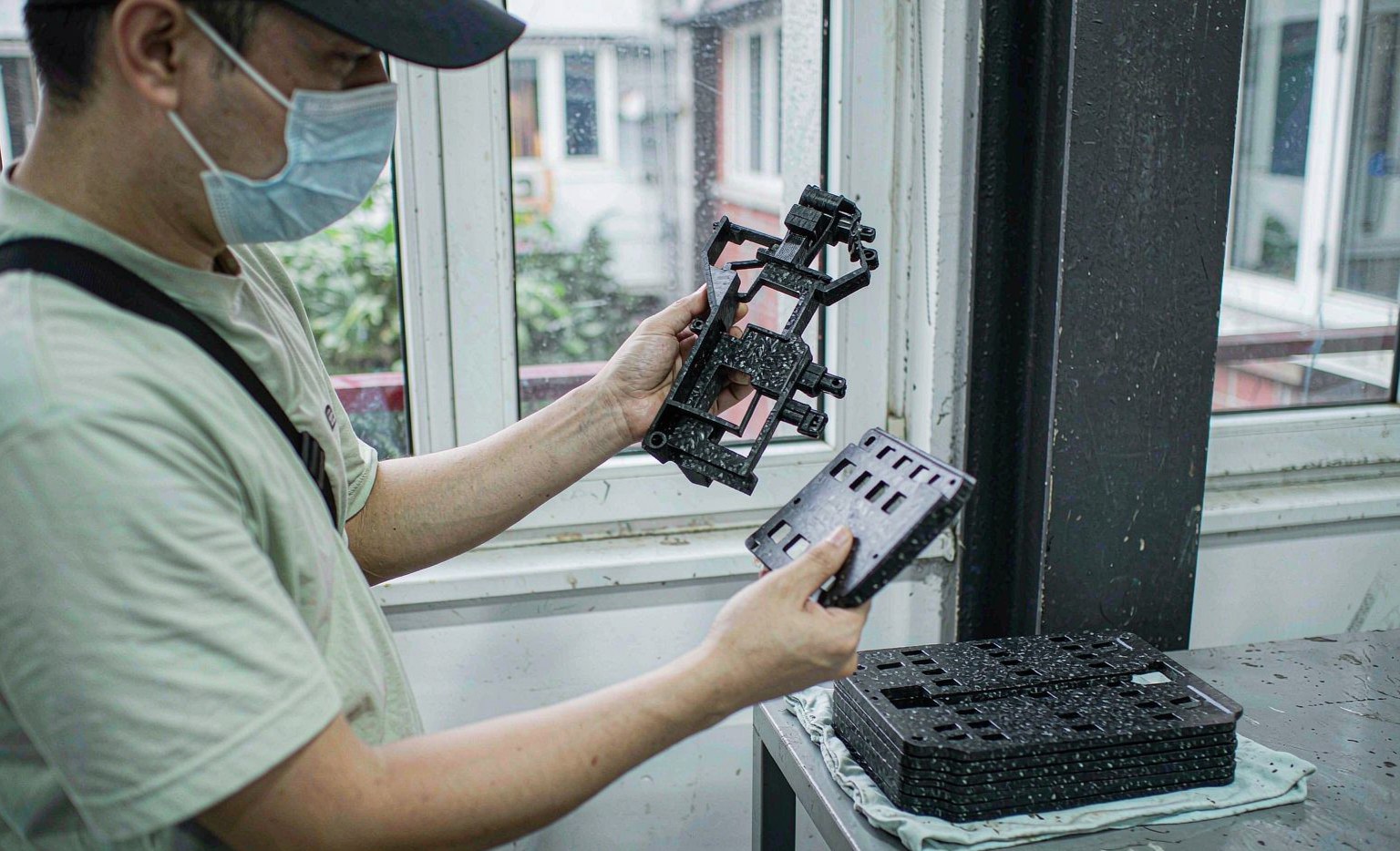
- 選擇3D列印 適用於原型、夾具、低產量客製零件,以及難以成型的幾何形狀(共形冷卻、內部晶格)。.
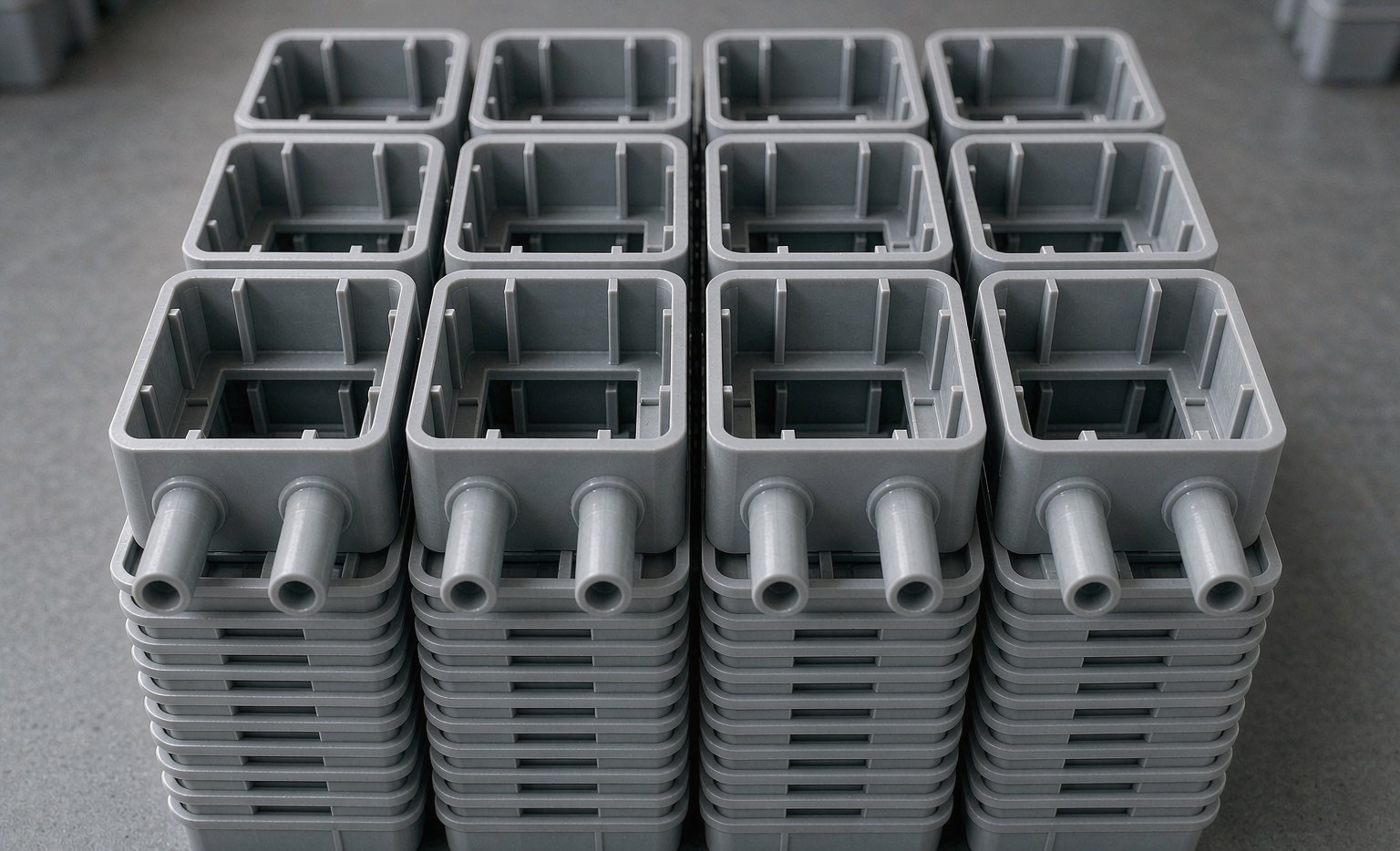
- 選擇注射成型 適用於任何超過 crossover 的生產,其中單位成本、機械一致性與表面處理至關重要。.
只要設計可能變更,列印也能勝出,因為設計變更在模具上無成本;注塑成型將設計鎖定在鋼材中,因此適合設計凍結後。.
許多專案同時使用兩者:列印用於驗證和橋接生產,當設計和產量證明模具合理後,再轉至注塑成型。要避免的錯誤是過早承諾注塑成型(對於可能變更的零件)或過晚轉向注塑(在規模化時支付高額單件溢價)。將產量放在 crossover 的一側,工藝就會自然選擇。.
常見問題
在什麼產量應該切換到注塑? 對於典型零件,大約幾百到一千個單位,前提設計已凍結。.
列印塑料強度與注塑相同嗎? 通常橫向強度不同;注塑零件大致各向同性,在承重應用中更佳。.
能否直接注塑 3D 列印設計? 僅在添加拔模角並去除倒扣後;列印容許注塑無法實現的幾何形狀。.
模具成本隨零件尺寸擴大嗎? 是的——大零件需要更大的模具和壓力機,推動模具和機器成本上升。.
關於橋接生產呢? 在模具加工期間列印橋接數量,然後切換;保持上市時間表。.
表面 finish 是隱藏成本嗎? 通常是——列印零件可能需要砂磨或蒸氣平滑,這會侵蝕明顯的成本優勢。.
當 crossover 移動時
The break-even volume is not fixed. A larger part needs a bigger mold and press, so tooling rises and the crossover shifts up; a small, simple part can cross over below a hundred units. Material also matters: an engineering resin that prints poorly but molds cheaply tips the balance toward molding sooner, while a part needing a lattice or conformal cooling stays a printing job at almost any volume.
Worked cost example
Assume a part printing at $8 each and molding at $0.60 each with a $6,000 tool. The break-even is 6,000 / (8 − 0.60) ≈ 810 parts. Below that, print; above it, mold. Change the tool to $20,000 and the break-even rises to about 2,700 parts, which is why complex tools push the crossover higher.
The arithmetic is simple; the difficulty is estimating the tooling quote and the real printed part cost (including post-processing) before committing.
Hybrid approaches
Many teams print a functional prototype, then use the same printer for bridge production while the mold is cut, so launch is not delayed by tool lead time. Others mold the high-volume core and print the low-volume variants or personalization on demand — a combination that captures both economies.