




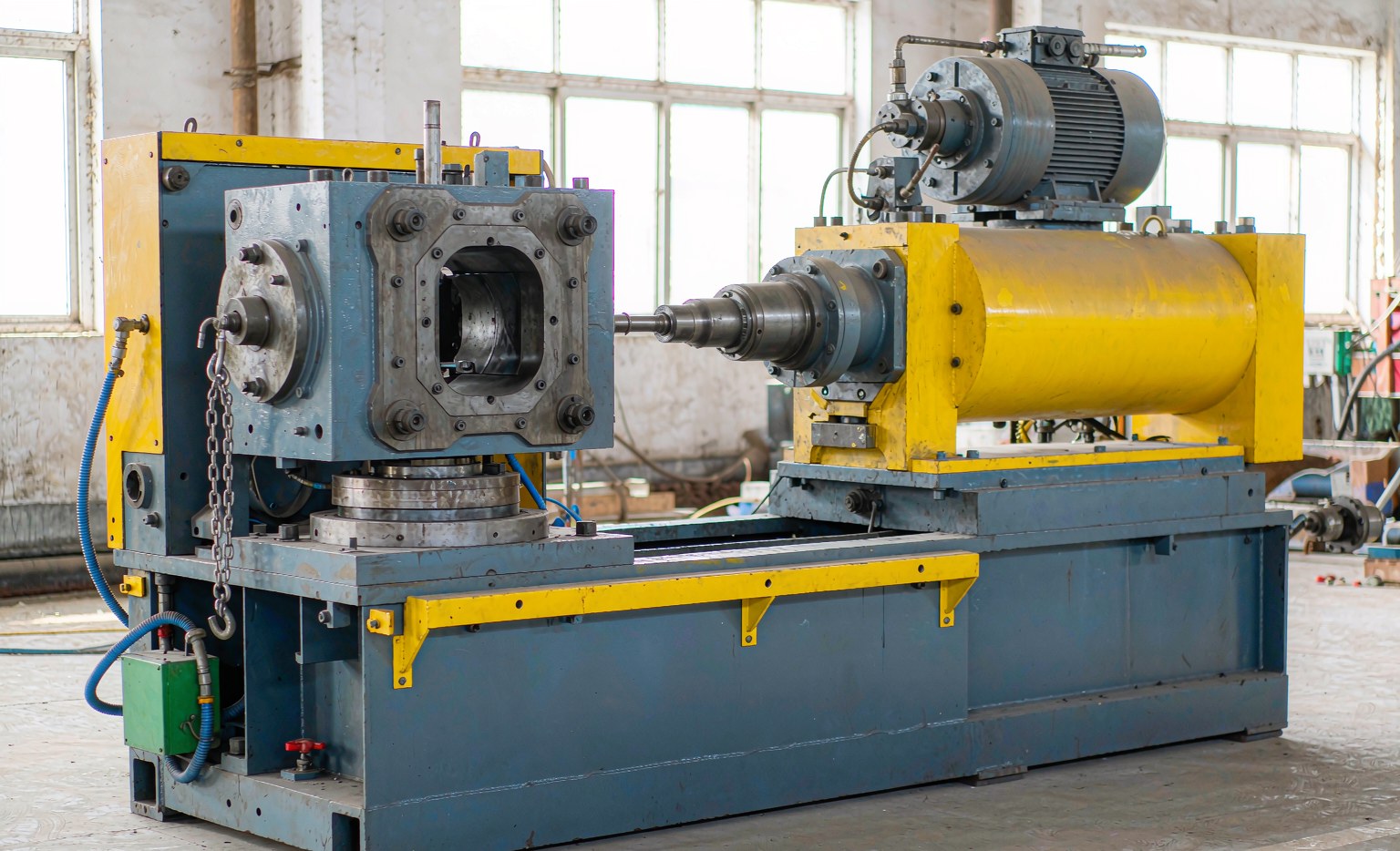
When buyers ask for “tight tolerance” injection molded parts, the conversation usually stalls because tolerance is not a single number — it is a function of the material, the mold, and how consistently the process is run. This guide explains what is realistically achievable under the international standard ISO 20457, why material shrinkage drives almost everything, and how to specify dimensions a molder can actually hit without a costly tool re-cut.
The core insight is that a molded dimension is the cavity size plus or minus a shrinkage that is never perfectly constant. Precision therefore comes from controlling shrinkage, not from demanding an arbitrarily small number.
Ý nghĩa của “dung sai” trong đúc nhựa
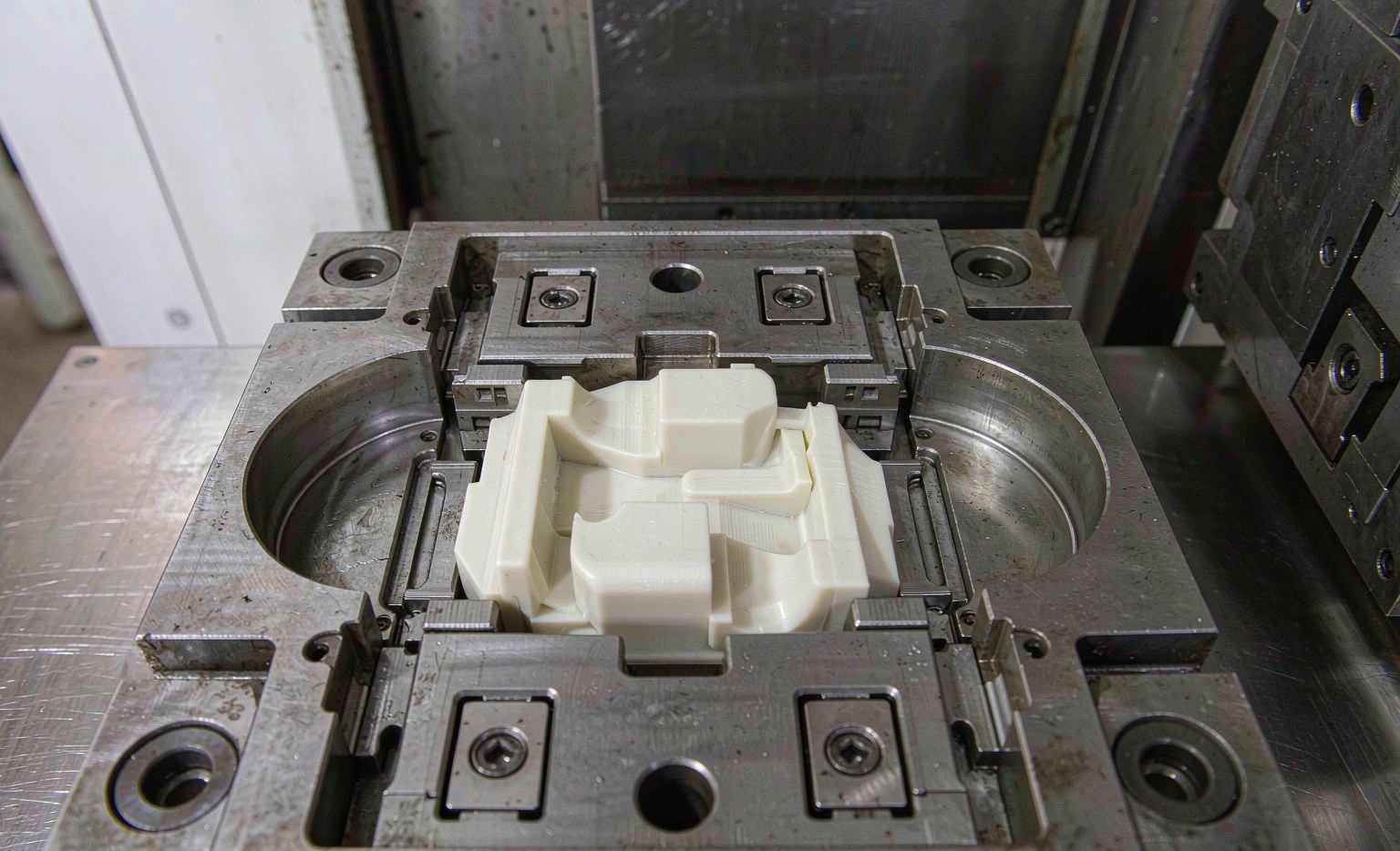
A tolerance is the permitted deviation from a nominal dimension, e.g. 50.00 ±0.20 mm. Unlike machining, a molded part is formed by molten plastic shrinking inside a steel cavity, so the final size depends on how much the polymer contracts as it cools. That contraction is never perfectly constant, which is why molded tolerances are wider than machined ones and are always quoted as a band rather than a target point.
A drawing that calls a molded feature to a machining-style ±0.05 mm will either be unmakeable or will quietly fail audit on every tenth part. The skill is to spend the tight tolerance only where the function needs it.
Tiêu chuẩn tham chiếu: ISO 20457
ISO 20457:2018 — Plastics: Injection moulding of moulded parts — Tolerances and recommended values is the current international reference for molding tolerances. It defines several tolerance grades whose width grows with the nominal dimension. Representative values for nhiệt dẻo không pha tạp thermoplastics:
| Kích thước định danh (mm) | Mịn | Trung bình | Thô | Rất thô |
|---|---|---|---|---|
| 0 – 10 | 0.05 | 0.10 | 0.20 | 0.40 |
| 10 – 50 | 0.08 | 0.16 | 0.32 | 0.64 |
| 50 – 100 | 0.12 | 0.24 | 0.48 | 0.96 |
| 100 – 200 | 0.18 | 0.36 | 0.72 | 1.44 |
Values in millimetres; representative of ISO 20457 general tolerance tables for unfilled grades. Filled and glass-reinforced grades need wider bands.
Tại sao co ngót quyết định dung sai của bạn
| Polyme | Co ngót khuôn điển hình |
|---|---|
| Polipropylen (PP) | 1.0 – 2.5 % |
| HDPE | 1.5 – 3.0 % |
| ABS | 0.4 – 0.9 % |
| Polycarbonate (PC) | 0.5 – 0.8 % |
| POM (axetal) | 1.8 – 3.5 % |
| PA6 / PA66 (nylon) | 0.8 – 2.2 % |
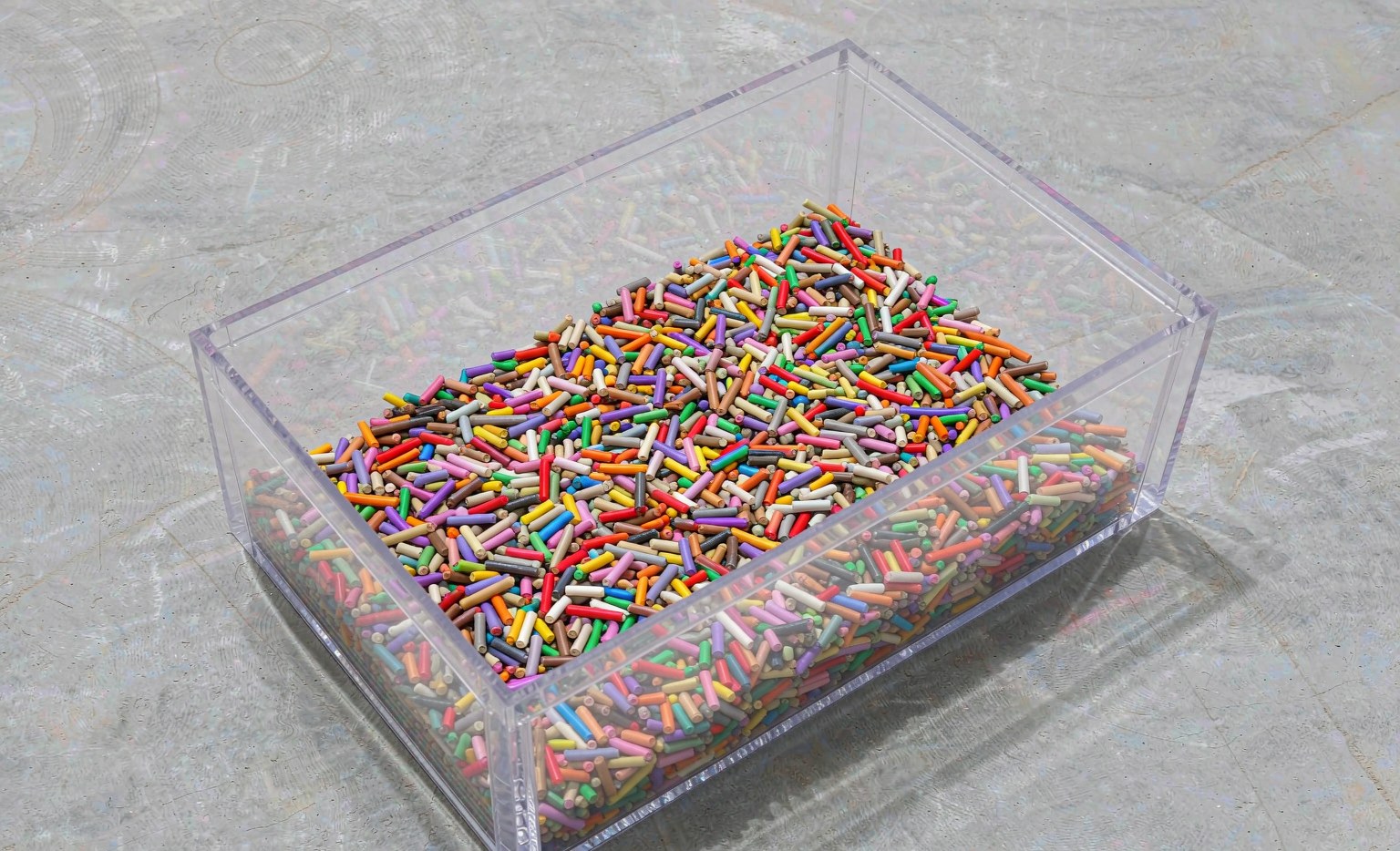
A 2 % shrink on a 100 mm dimension means roughly 2 mm of total contraction — so holding that feature to ±0.1 mm requires the process, and the material batch, to be extremely stable. This is why the resin is chosen before the tolerance is quoted.
Process factors that move dimensions
- Holding pressure & time — the biggest controllable lever; low pack pressure increases sink and shrink.
- Melt and mold temperature — higher mold temperature often raises shrinkage slightly but improves reproducibility.
- Gate location & size — distant gates cause fill-pressure gradients that show up as dimensional variation.
- Post-molding shrinkage — especially nylon (PA), which keeps absorbing moisture and changing size for days.
How to specify tolerances that get met

- Tolerate only the features that matter (fit, sealing, assembly) — over-specifying raises cost with no benefit.
- Quote an ISO 20457 grade rather than an arbitrary number, so the molder can choose tooling and process accordingly.
- For hygroscopic materials like PA, define the conditioning state (dry vs conditioned) the tolerance applies to.
- Xác nhận bằng kiểm tra bài mẫu đầu tiên (FAI) và một đợt sản xuất ngắn trước khi chốt bản in.
Khi dung sai chặt chẽ đáng giá
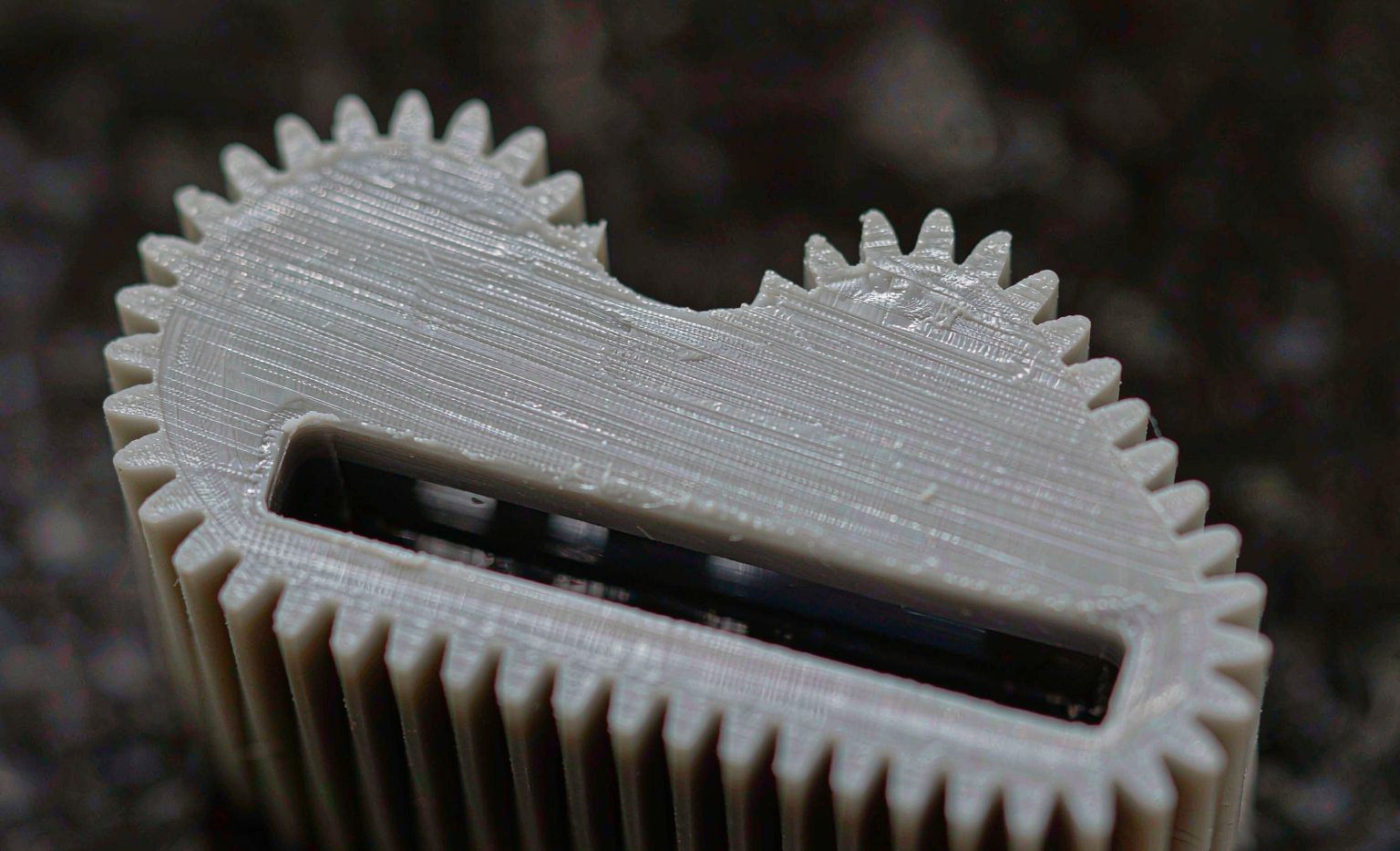
Sử dụng các cấp chính xác (tinh) cao cho bánh răng, nắp có ren, các tính năng snap-fit và các bề mặt tiếp giáp y tế/ô tô. Đối với các vỏ, nắp bảo vệ không quan trọng, các cấp chính xác trung bình hoặc thô có giá rẻ hơn và mô hình hóa nhất quán nhanh hơn.
Việc khớp dung sai với chức năng là đòn bẩy chi phí lớn nhất trong bất kỳ chương trình đúc nào, và việc chỉ định dựa trên một tiêu chuẩn thực sự giúp nhà máy đúc và người mua sử dụng cùng một ngôn ngữ ngay từ báo giá đầu tiên cho khuôn mẫu.
Câu hỏi thường gặp
Có bất kỳ chi tiết đúc nào đạt được ±0,05 mm không? Chỉ các tính năng nhỏ trên vật liệu ổn định với cấp chính xác tinh; các kích thước lớn hơn cần các dải dung sai rộng tương ứng.
Tôi kiểm tra như thế nào để biết một nhà máy đúc có thể giữ dung sai? Yêu cầu nghiên cứu năng lực quy trình (Cpk) từ một lô kiểm tra mẫu đầu tiên trước khi sản xuất hàng loạt.
Góc nghiêng (draft angle) có ảnh hưởng đến dung sai không? Vâng — góc nghiêng và bù co ngót được thiết kế vào lòng khuôn; việc giữ dung sai chặt chẽ gần một bức tường có góc nghiêng là khó khăn hơn.
Tại sao cùng một khuôn bị trôi dạt theo thời gian? Mòn khuôn và biến động co ngót giữa các lô hàng; xác nhận lại cửa sổ quy trình định kỳ.
Tôi nên chỉ định vật liệu tối thiểu hay tối đa? Molded parts should list nominal plus tolerance; min/max-only callouts ignore shrinkage direction.
Is tighter tolerance always available at a price? Only to a point — past the material’s stability floor, no tooling budget fixes it.
Inspection and capability
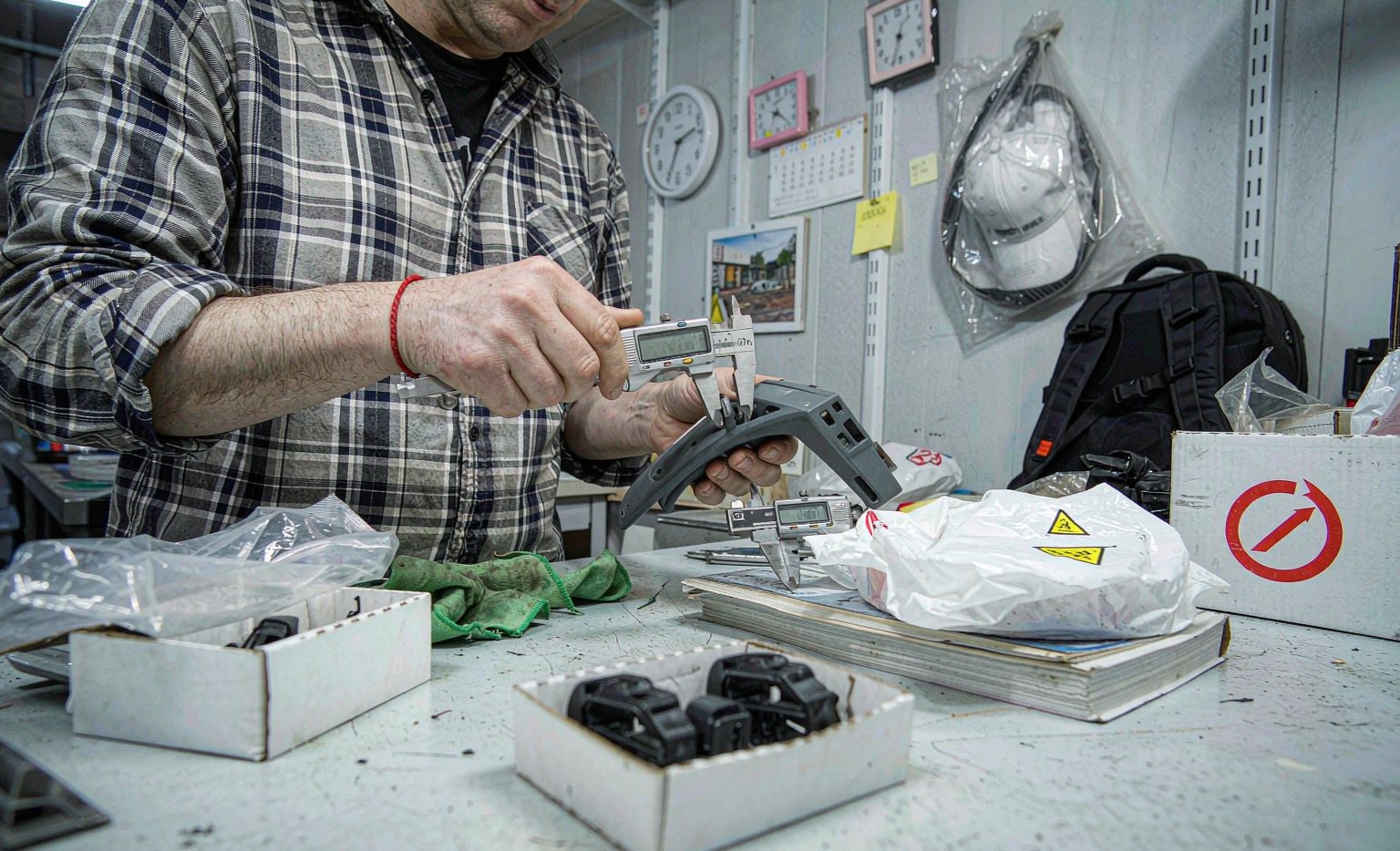
A tolerance is only meaningful if it can be measured and reproduced. For a critical dimension, ask the molder for a capability index (Cpk) from a first-article run: a Cpk above roughly 1.33 signals the process is comfortably inside the band, while a value near 1.0 means parts will regularly drift out. Measuring at the same temperature and conditioning state matters for hygroscopic resins.
Without a capability number, a tolerance is an aspiration rather than a specification, and the first audit will expose the difference.