




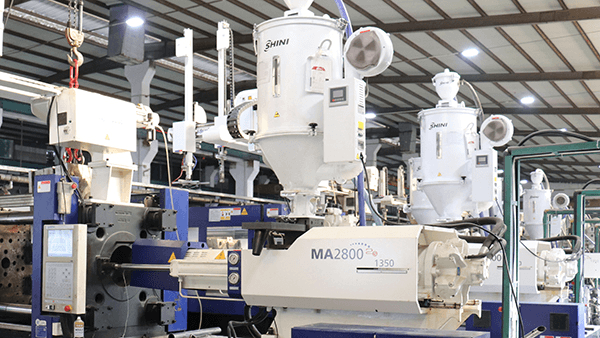
Chinese injection molding experts remind everyone that when purchasing injection-molded parts, sometimes odor issues may arise, which can pose health risks to users. So, how can we prevent odors during the injection molding process? Here are some simple suggestions:
- Strict Control of Additive Use:
During the production of polyurethane foam, the catalyst tertiary amine produces a strong odor and can cause fogging on car windows. Consider using polyhydric compounds as a substitute. These compounds not only form part of the polyurethane molecular chain but also have catalytic activity. Some polyhydric compounds can replace up to half of the tertiary amine catalyst, thus reducing the odor of injection-molded products.
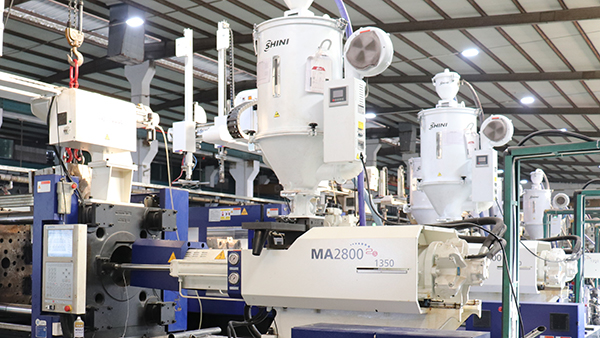
Where Odors Come From and How Plants Remove Them
Odor complaints in molded plastic parts trace to a short list of sources, each with a known countermeasure:
| Source | Mechanism | Countermeasure |
|---|---|---|
| Resin additives | Plasticizers and stabilizers outgas when overheated | Specify low-VOC grades; verify with supplier COA |
| Thermal decomposition | Barrel temp or residence time too high | Right-size shot volume; tighten the window |
| Contamination | Degraded regrind or foreign resin in the melt | Purge discipline; regrind ratio caps |
| Packaging trap | Parts boxed warm, vapors concentrate | Cool before packing; ventilated storage |
The economic note matters: odor control is almost free when designed into the process and expensive when inspected in at the end. A plant that controls barrel temperature profiles and regrind ratios produces low-odor parts as a side effect; a plant that masks odor with fragrance agents is treating symptoms buyers will eventually detect. Ventilation in storage and transport closes the loop — warm containers re-emit what cool warehouses would not. Related reading: pollution control in molding plants and temperature control in molding. Reference: outgassing and volatile organic compounds.
Odor Claims and the Paper Trail
When an odor complaint arrives from a customer, the response is only as good as the documentation behind it. The papers that settle claims: the resin supplier’s specification with VOC-relevant statements, the lot-specific certificate of analysis, the molding record showing barrel temperatures within window, and a retention sample from the same lot. With these, a plant can demonstrate the part shipped within specification and isolate whether the complaint is material, process, or storage — each with a different remedy. Without them, every odor claim becomes a negotiation. Some buyers now specify third-party odor testing (panel methods per automotive standards) for interior parts; the test costs a fraction of a rejected batch and gives both sides an objective number instead of a nose. The paper trail is the cheapest insurance the odor table above never mentions.