



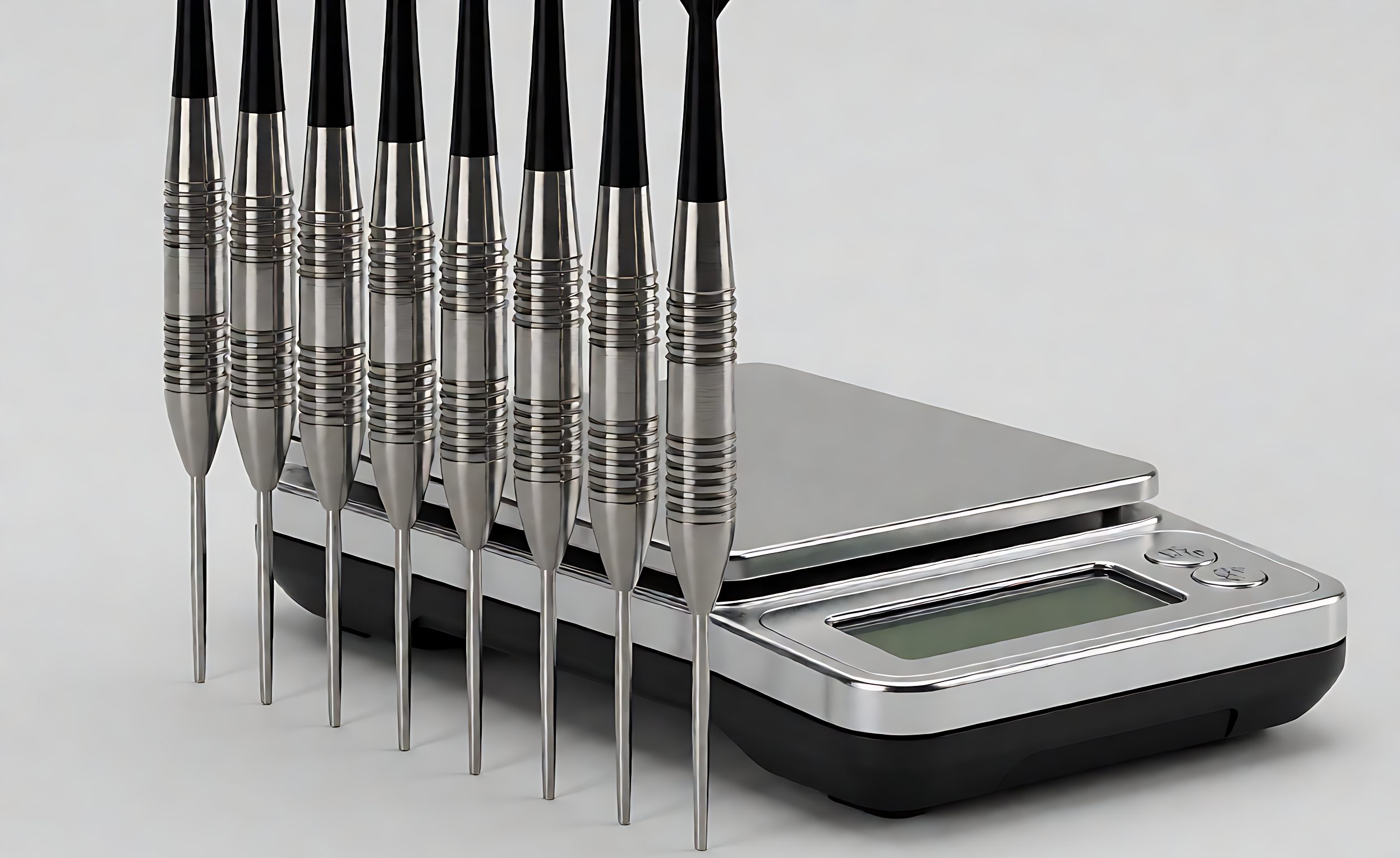
Ask a player why a dart feels good and the answer is about balance, grip and weight. Ask a buyer what the weight tolerance on their last dart order was and the answer is frequently a shrug. That gap is where the category’s quiet failures live: three darts in one set that weigh differently, a production run whose second half is a gram heavier than the first, and a premium barrel whose stated weight is a marketing average rather than a measured band.
Weight tolerance is not pedantry. It is what turns a dated product into a precision-feeling one, and it costs nothing to write correctly, provided the buyer states the target, the band around it and how the band is verified on the production run.
Why Weight Tolerance Is a Feel Specification
A dart is thrown with a repeatable motion learned against the dart’s mass. If one of the three darts in a set is heavier than its neighbours, the same release produces a different trajectory with that dart, and the effect is instantly visible at the board – customers read it as inconsistency even when every dart sits inside its own stated tolerance.
The same logic applies across a run. Retailers reorder the same SKU repeatedly, and if the second batch weighs differently from the first, the customer who bought a second set to match reads the difference as a defect. Tolerance has two edges, within a set and across batches, and a serious specification states both.
Tolerance Bands That Make Sense on a Production Order
Barrel weight is a measured mass, and like any measured dimension it carries variation; the only question is how much the programme allows. A sensible structure states the target weight, gives a per-dart band around it, and then gives a tighter band for the spread across the three darts of a matched set. The second number governs feel, and it is usually the one left unstated.
- Target weight – the complete dart, stated with the point type it was measured with.
- Per-dart band – wide enough to be manufacturable, narrow enough to feel precise.
- Set spread – the allowed difference between the heaviest and lightest dart of one pack.
The discipline is to demand these numbers in writing. A supplier that can hold a tight band will say so; one that describes the weight as “approximately” has already answered the question.
Barrel Material: Brass Versus Tungsten
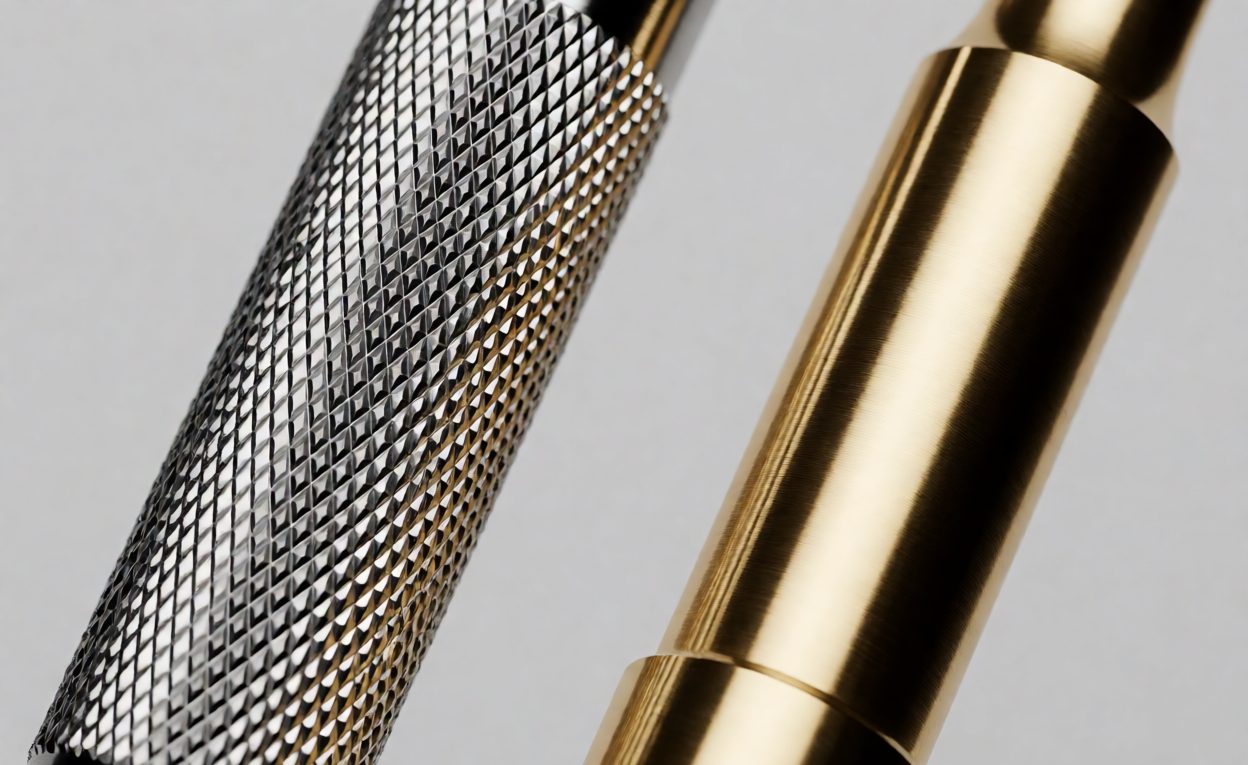
Brass barrels are the entry-level standard: cheap, easy to machine and inevitably fat, because brass is not dense enough to make a slim barrel of competition weight. Tungsten alloy barrels are far denser, so the same weight comes in a much slimmer body, which is what allows tight groupings on the board. Tungsten costs more, but every step-up set is expected to use it.
Material affects tolerance too: a denser alloy means a smaller part for the same mass, so tungsten barrels are easier to hold to a tight band. Grip is the third variable, since knurling and milling remove material and an aggressive grip drifts more. Weigh the finished, gripped, assembled dart, not the raw barrel.
Tip Choices: Steel, Soft and Convertible
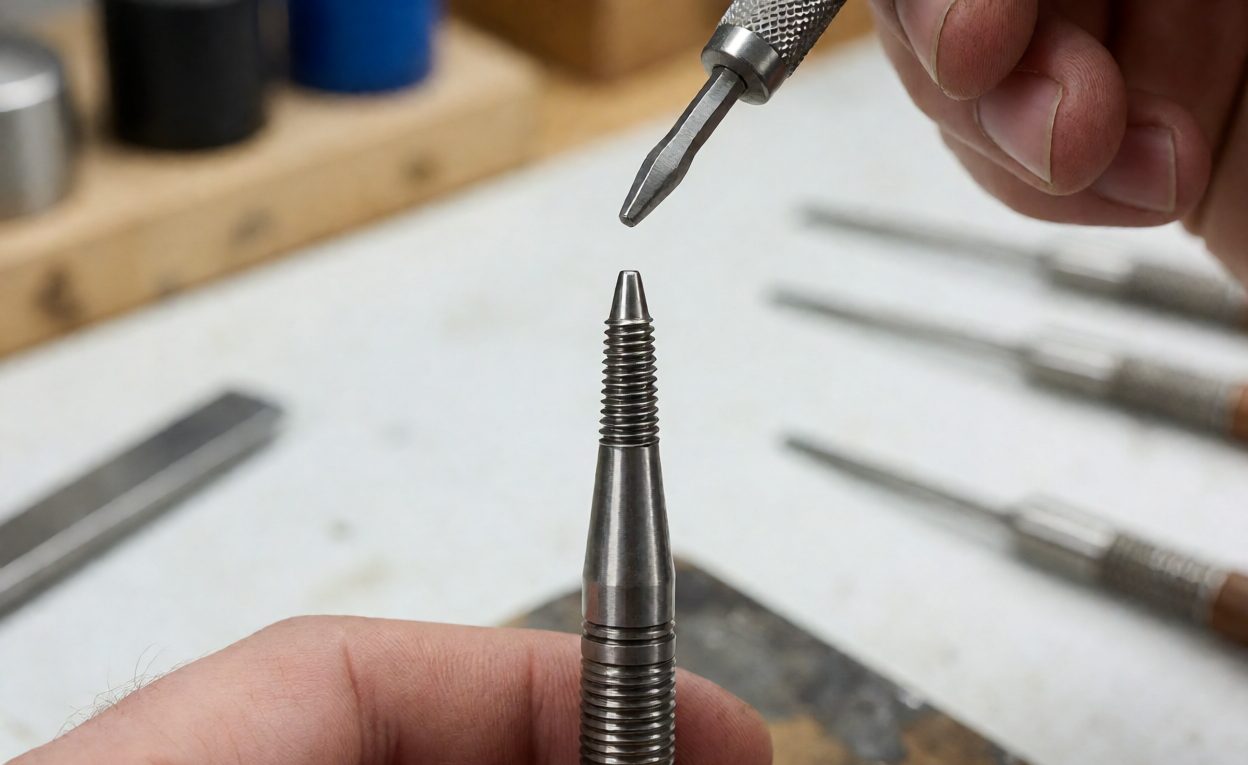
Tip choice follows the board the set is used with, and it changes the weight conversation. Steel points are heavy in their own right, and a complete steel-tip dart’s stated weight includes that point. Soft tips are light plastic consumables that break and get replaced, so a soft-tip dart’s weight shifts slightly every time a tip is changed.
Convertible tips – a threaded soft tip that swaps for a steel point – are attractive in retail because one set serves both board types. They add a joint that can loosen and make the stated weight dependent on which tip is fitted, so packaging should give a figure per configuration. Specify tip retention testing too, since a point that unscrews in play is a safety complaint before it is a performance one.

Matching Within a Set and Across a Run
Set matching is a separate operation from manufacturing: darts are weighed, sorted and assembled so the spread within a pack is small. It is a real cost that some programmes quietly skip, so state the spread explicitly and verify it by weighing complete retail packs – a factory that matches sets weighs them, and one that does not simply packs them.
Across a run, weigh samples at the start, middle and end and look for drift. A run that starts on target and finishes half a gram heavy is reporting tool wear or a material lot change, which is far cheaper to catch mid-run than in a warehouse.
Verification: How to Audit a Real Order
Pull several retail packs at random from the finished run, not from the sample room. Weigh every dart individually, assembled, on a scale with enough resolution to see the variation being claimed, and record the spread within each pack, the spread across all packs and the offset from the stated target.
- Check the spread before the average – a run can average correctly and still feel inconsistent.
- Re-verify on reorder – a different material lot or a reworked tool shifts the mean.
Technical Background
The barrel is the weighted body of the dart, and the slim barrels buyers associate with step-up sets are made from a dense tungsten alloy precisely so that mass can be concentrated into a small diameter. The permitted variation on that mass is a straightforward application of engineering tolerance: a nominal value, a band around it, and a defined method for deciding whether a part falls inside the band.
Related Dart Buying Decisions
Barrel and tip choices sit alongside the rear assembly, treated in the dart flight and shaft specification guide and the flight material and thickness specification. Soft-tip configuration for bundled sets is covered in the soft-tip dart specification, the board the darts are thrown at in the dartboard types overview, and how to audit a delivered run statistically in the AQL inspection guide.
Frequently Asked Questions
What weight tolerance should an OEM dart set specify?
A target, a per-dart band and a tighter spread for the three darts in one set. The set spread is the number players feel.
Why do three darts in one set feel different?
Because they were packed rather than matched. Weight sorting before packing has to be requested and verified.
Does barrel material change achievable tolerance?
Yes. Tungsten barrels are smaller for the same mass, so dimensional variation moves weight less.
Should the stated weight include the tip?
Yes, on the assembled dart with the shipped point. Convertible sets need a figure per configuration.
Are convertible tips a good retail feature?
They widen the market but add a joint and make weight configuration-dependent, so test and label carefully.
How is a production run audited for weight?
Weigh every dart from randomly pulled retail packs, then check pack spread, run spread and offset from target.
Do reorders need re-verification?
Yes. A new material lot or a reworked tool shifts the mean, so reweigh if cross-batch consistency was promised.