



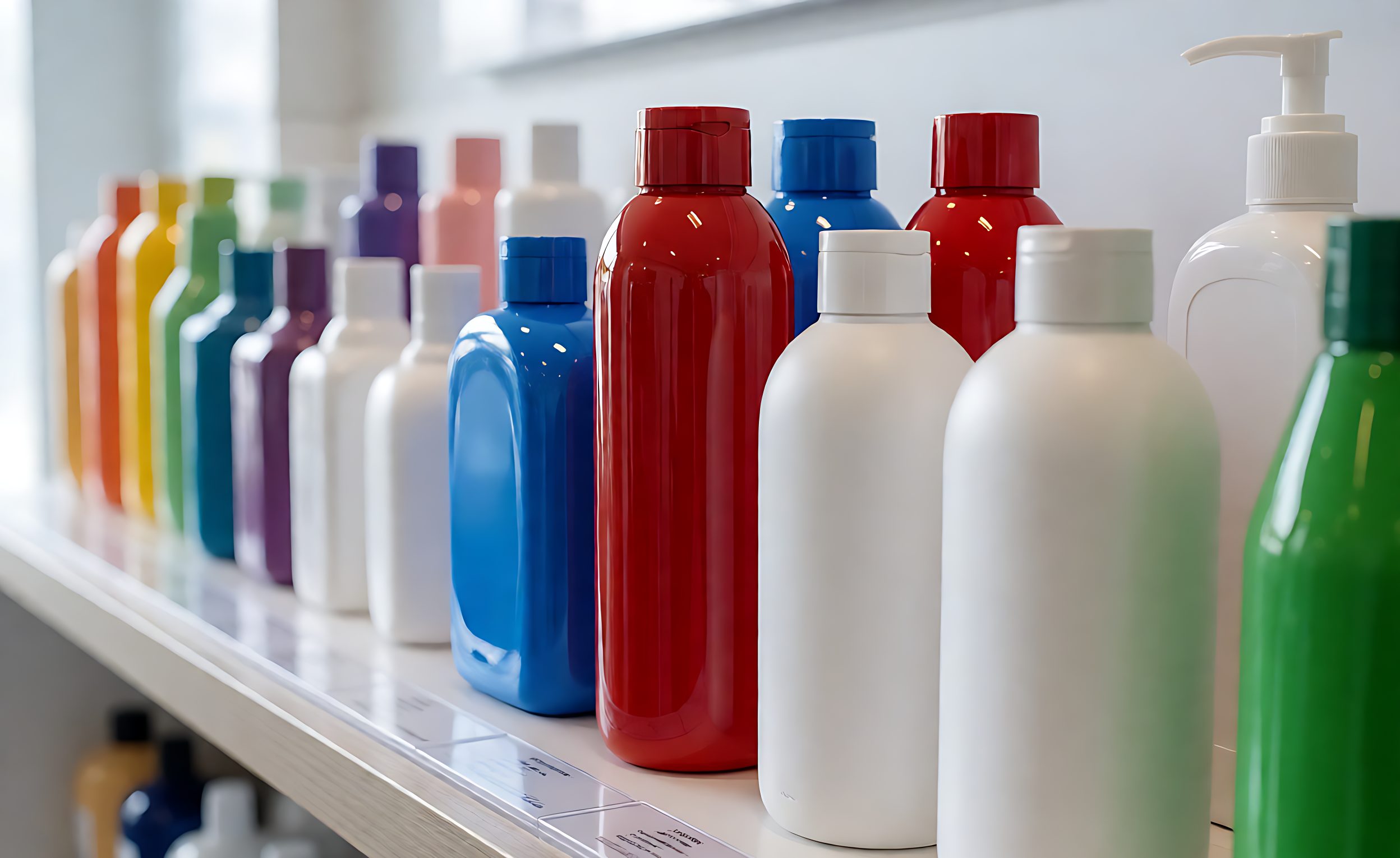
Branding a plastic product is a manufacturing decision long before it is a marketing one. The logo’s position changes the tooling quote; the finish you choose lives in the mold; and the printing method determines whether your brand survives a year of hands and dishwashers or fades by month three. This guide lays out the realistic options by cost and durability, from mold-level decisions to late-stage printing, for buyers of dartboards, tableware, appliance housings and similar consumer plastics.
Level 1: Branding Built Into the Mold
The cheapest branding is the kind that costs nothing per unit:
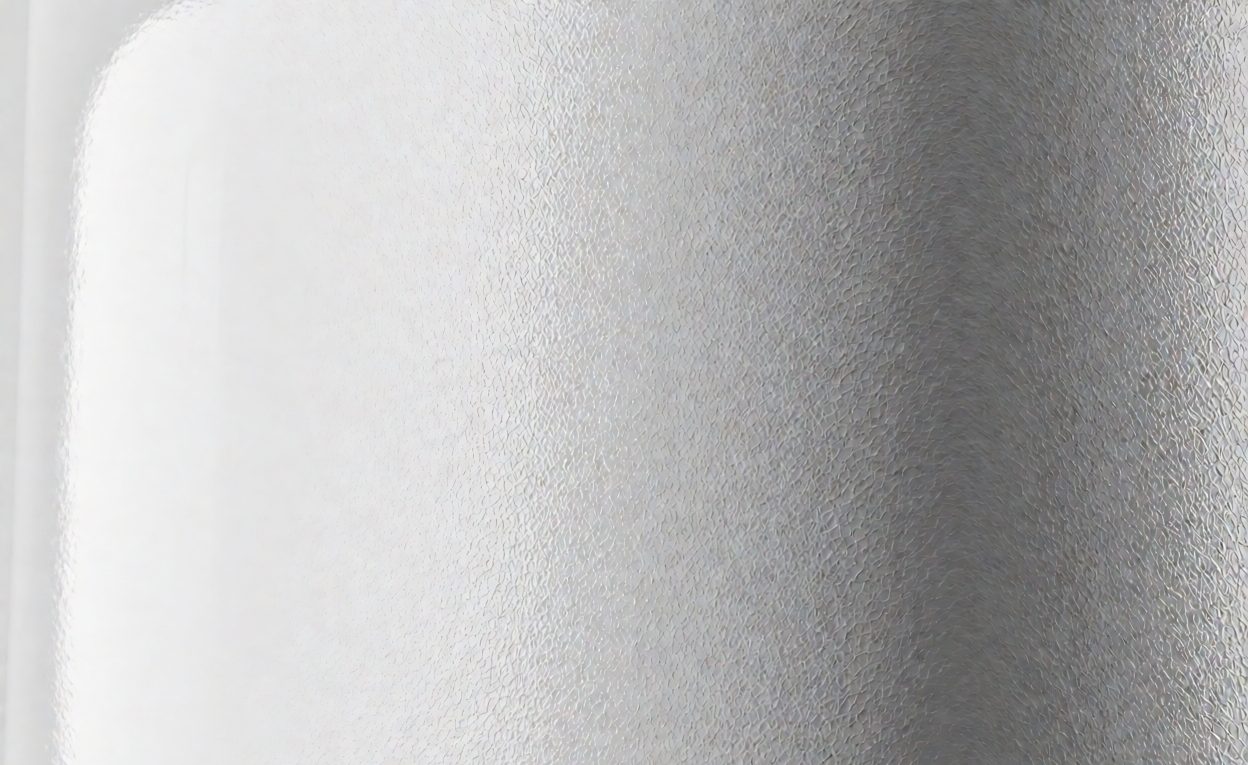
- Mold texture: the cavity surface can carry leather grain, matte etch or geometric patterns. Texture hides scratches and fingerprints — the practical reason premium housings are rarely high gloss — and it is a one-time tooling decision, not a per-unit cost.
- Molded-in logos: embossed or debossed marks molded directly into the part. Zero marginal cost, impossible to wear off, visible only as a tonal or shadow effect. Best for discrete branding on the underside or back.
- In-mold color: your brand color IS the product color, from colorant compounded into the resin. The material guide covers how colorants interact with PP, ABS and PC; the key note is that color is a material decision with a compound minimum, not a paint job.
These choices must be final before tooling starts — they are the parts of branding that cannot be changed later without new steel. That is why the sample approval discipline puts texture and color sign-off before the golden sample is sealed.
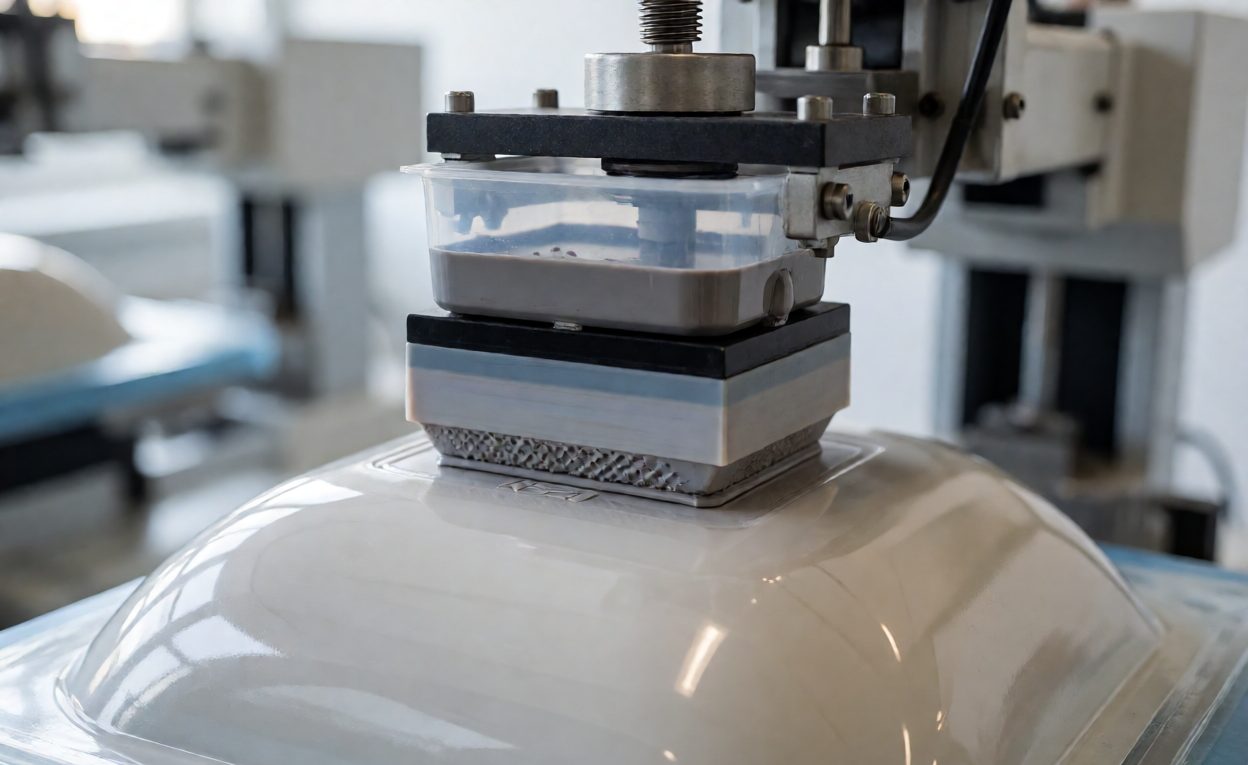
Technical background: pad printing transfers ink with a silicone pad precisely because etched plates hold fine detail on curves; heat-transfer printing bonds a pre-printed film for multi-color work; and in-mould labelling — the cousin of IMD — fuses the graphic during molding so there is no surface layer to wear. Each method trades setup cost against per-unit durability in the same order.
Level 2: Printing On the Part
When logos carry color or fine detail, printing enters. Four methods cover most cases:
- Pad printing: the default for logos on curved or textured surfaces. A silicone pad lifts ink from an etched plate and presses it onto the part — handles curves, moderate detail, low setup cost per design. Durability is good on the right ink; demand an alcohol-rub and tape test spec for anything handled daily.
- Silk-screen printing: flat or gently curved surfaces, larger areas, lower cost per piece at volume. Common for tabletop and packaging-facing faces.
- Heat transfer: a decorated film bonded by heat — multi-color, photographic detail, strong durability on housings. Higher per-unit cost than pad printing, no plate minimums per color.
- IMD/IML (in-mold decoration): the graphic is molded under the surface as part of the part — the most durable and most premium option, but it requires film tooling and meaningful volume to amortize. Typical in appliance fascias and high-end housings.
For food-contact categories like children’s tableware, printing has a compliance dimension: keep decoration off surfaces that touch food, or document the ink’s food-contact status. Undecorated color-through product is the simplest safe path.

Level 3: Packaging and Post-Mold Branding
Do not forget the cheapest branding surface: the box. For many programs — especially retail-ready categories like electronic dartboards — the carton carries the brand story while the product carries a tasteful small mark. Packaging print changes per season without touching tooling, which makes it the flexible layer of your brand system. Post-mold options like laser etching and engraved plates suit low-volume premium runs where printing minimums would be wasteful.
Choosing by Order Size
- Under 1,000 units: molded texture plus pad-printed logo in one or two colors; packaging carries the brand load.
- 1,000–10,000 units: add heat transfer for multi-color housing graphics; consider a second product color with its own compound batch.
- 10,000+ units: IMD/IML becomes amortizable for premium lines; custom texture and dedicated tooling pay back across the run.
Whatever the method, write durability into the acceptance standard: rub tests, tape tests and dishwasher cycles for washable goods, checked at the same inspection gate as everything else. A logo that fades is a warranty claim wearing your name.
What is the cheapest way to brand a plastic product?
Texture and molded-in logos from the tool cost nothing per unit, and in-mold color makes the brand color the product color. For logos with color detail at small volume, pad printing has the lowest entry cost.
Which printing method lasts longest on plastic housings?
In-mold decoration (IMD/IML) — the graphic sits under the surface. Among post-mold methods, heat transfer outlasts pad and screen printing on abrasion, while a properly specified pad print survives years on surfaces that are not constantly rubbed.
Can we print a logo on curved or textured surfaces?
Yes — pad printing exists precisely for curved and textured parts. Very deep textures reduce print quality; discuss the texture at the logo location during tooling design rather than discovering it on samples.
How durable is pad printing on products handled daily?
Good pad printing with the right ink survives years of normal handling. Specify alcohol-rub and tape tests in the acceptance standard for high-touch surfaces, and check them at pre-shipment inspection.
Is it safe to print on children’s tableware?
Keep decoration off food-contact surfaces, or obtain food-contact documentation for the ink system. Color-through undecorated product is the simplest compliance path for feeding items.
When does in-mold decoration make financial sense?
Roughly above ten thousand units for premium lines: film tooling and setup amortize at scale, and the durability-plus-appearance upgrade justifies the premium on products where the housing is the brand.
Can branding decisions change after tooling is made?
Print-level branding can change anytime. Mold-level branding — texture, embossed marks, product color via compound — is frozen with the tool, which is why these decisions belong before the golden sample is sealed.