




A dartboard bundle lives or dies on its darts. The board is a considered purchase; the darts are what customers actually handle, drop and break, and a bundle whose darts snap in the first week generates returns that the board never earns back. For a buyer specifying an OEM bundle, the dart is where a small per-unit saving produces a large downstream cost.
The good news is that the failure modes are well understood and mostly specifiable. Four components, four sets of decisions.
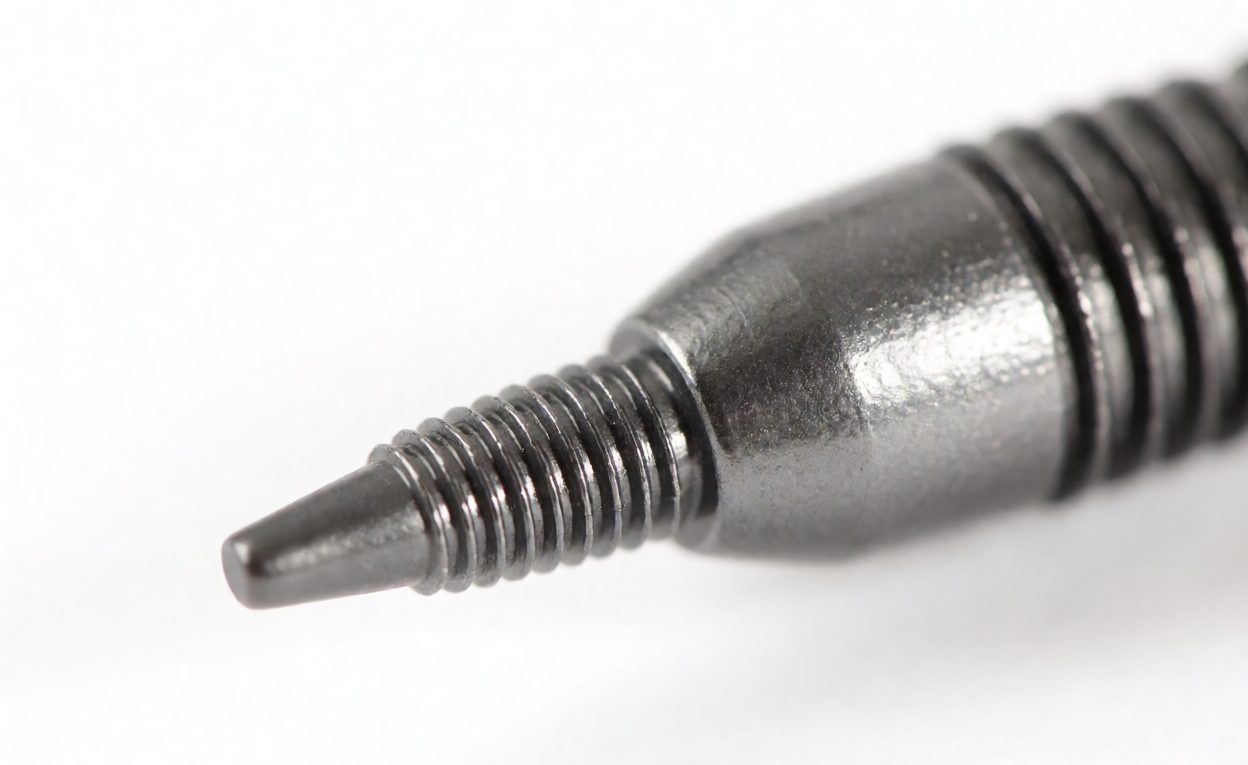
Tip: The Part That Breaks
Soft tips are moulded plastic parts that thread into the barrel, and they fail in two ways: the tip snaps at the thread or at the slender section, or the thread strips. Both are influenced by material and by geometry – particularly the radius where the tip meets the threaded base, which is where stress concentrates.
Specify the material by performance rather than by name: a tip that survives a defined number of impacts and bounce-outs onto a hard floor. That is testable, whereas “durable plastic” is not. Ask for the test rather than the claim, and include a pull or torque requirement on the thread so tips do not work loose during play.
Tip length and taper matter as much as material, because they decide how the dart sits in the segment and how much of the tip is exposed to a bending load when it hits the floor.
Include spares in the bundle. Tips are consumables, and a bundle with six spare tips removes an entire category of complaint for a negligible cost.

Barrel: Weight, Grip and Balance
Barrel weight is a specification buyers usually get right, because it is printed on the packaging. Grip and balance are the ones that get missed. A knurled or ringed grip that is too aggressive shreds flights; one that is too smooth is unpleasant to throw. Balance point – front, centre or rear – changes how the dart feels and should be consistent across a set and across a production run.
For a bundle, specify the weight tolerance across a set. Three darts that differ by a gram feel like three different darts, and that is a complaint even though every unit is technically within a nominal weight.
Sets, Spares and Consistency
A bundled set should be matched, not merely counted. Three darts that match in weight, balance and grip behave as one product; three that vary feel like a manufacturing fault even when each sits inside its individual tolerance. Specify the set tolerance rather than the piece tolerance, and check it on samples rather than assuming the packing line enforces it.
Spare parts deserve the same attention as the darts themselves. Tips are the consumable that customers expect to replace, flights are the part most often damaged by bounce-outs, and shafts sit between the two. A bundle with a small spares pack costs a little more and answers the most common complaint before it is made.
Shaft and Flight
Shafts are the second most common breakage, and the material choice drives it. A stiffer shaft transmits more impact to the tip and barrel; a more flexible one absorbs it but can feel loose. Flights take the damage from bounce-outs and from darts colliding in the board, and they are the cheapest part to include spares of.
Specify moulded versus assembled flight construction, because it changes both the durability and the unit cost, and state whether flights are standard replacements – a bundle using a non-standard fitting creates an aftermarket problem for the customer.
Technical Background
The dart behaves as a thrown projectile, and its consistency depends on mass distribution and the centre of mass rather than on weight alone. Consistency between units is a manufacturing question, expressed as dimensional tolerance on the moulded and turned parts. The plastic components themselves are produced by injection moulding, where gate placement and cooling determine whether a tip has a weak line where it will later snap.
What to Test Before a Bulk Order
Four checks catch most problems: a drop test onto a hard floor from playing height, repeated onto the board face, to see what breaks and where; a thread torque check; a weight and balance check across a set; and a fit check into the actual board being bundled, since segment geometry varies between boards.
Then specify spares. A bundle with spare tips and flights costs slightly more and returns materially less, and it is the cheapest quality signal on the shelf.
Dart specification connects to the board decision in dartboard segment materials and to the dartboard types overview. Plastic behaviour is discussed in ABS versus PP versus PC, bundling decisions in cabinet and surround bundling, and play-side issues in common darts problems.
FAQ
Why do bundled darts break so often?
Because tip geometry and material are specified by cost rather than by impact performance, and the thread root is where stress concentrates.
How should tip durability be specified?
By a test: a defined number of impacts and bounce-outs survived, plus a thread torque requirement – not by a material adjective.
Should the bundle include spares?
Yes. Spare tips and flights cost little and remove the most common complaint category entirely.
Does barrel weight tolerance matter?
Yes across a set: darts that differ by a gram feel like different products even when each is nominally correct.
Stiff or flexible shafts?
Stiffer shafts transmit more impact to the tip and barrel; flexible shafts absorb it but can feel loose. Specify by intended use.
Should flights be standard fittings?
Yes, otherwise the customer cannot replace them easily, which turns a consumable into a product defect.
What is the cheapest quality improvement?
Including spares, followed by a tip geometry change that removes the stress concentration at the thread.