




In the current smart home market, robotic vacuum cleaners are gaining increasing popularity among consumers. To meet market demand, many robotic vacuum cleaner manufacturers have started offering contract manufacturing services to provide efficient production solutions for other brands or companies.
The core of contract manufacturing lies in communication and trust between both parties. Manufacturers need to engage deeply with clients to understand their product design, functional requirements, and market positioning. This process involves multiple aspects, such as technical specifications, material selection, and production processes, to ensure the final product meets the client’s expectations.
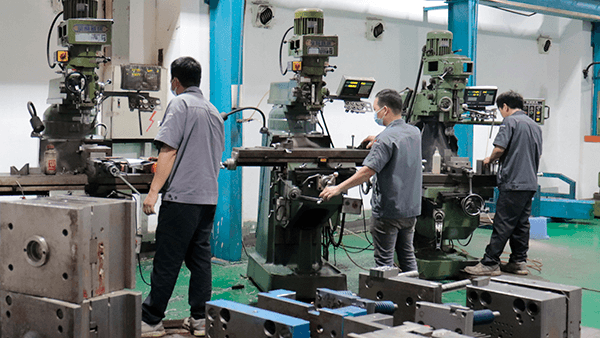
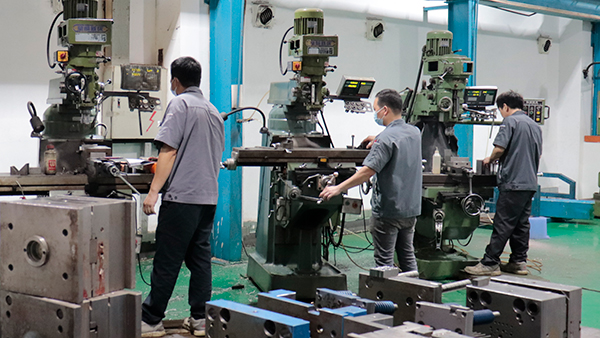
Furthermore, manufacturers must be equipped with advanced production equipment and technical teams. Efficient automated production lines can significantly enhance productivity and reduce costs. Additionally, an experienced R&D team can provide clients with product optimization suggestions, improving the performance and user experience of robotic vacuum cleaners.
During the production process, quality control is crucial. Manufacturers should establish strict quality management systems, monitoring every step of the production process to ensure product stability and reliability. Regular quality inspections and feedback mechanisms can help identify and resolve issues promptly, ensuring the delivered products meet the required standards.
Lastly, timely delivery is crucial to the success of contract manufacturing. Through proper production scheduling and efficient logistics systems, manufacturers can ensure on-time delivery to meet clients’ market demands.
In conclusion, robotic vacuum cleaner manufacturers, through efficient communication, advanced equipment, strict quality control, and timely delivery, can provide excellent contract manufacturing services, helping brands stand out in a highly competitive market.
DAYIN Plastic Products Co., Ltd. specializes in home appliance mold manufacturing, offering OEM/ODM contract manufacturing services. As a comprehensive solution provider integrating R&D and manufacturing services, our self-operated products include robotic vacuum cleaners, plastic tableware, and electronic dartboards. With 30 years of mold development experience, over 50 R&D personnel, and more than 100 injection molding machines, we are committed to providing high-quality manufacturing services and creating value for our clients.
Contract Manufacturing: The Division of Labor That Works
Robot vacuum contract manufacturing comes in three flavors, and choosing the right one is worth more than any negotiation:
| Model | Who owns what | Fits when |
|---|---|---|
| OEM build-to-print | Buyer owns design fully | Design proven, capacity needed |
| ODM platform adaptation | Factory owns platform, buyer brands | Speed to market beats differentiation |
| JDM joint development | Shared design, shared risk | Differentiation matters, capability split |
The ODM row deserves its honesty: platform products reach market fast, and so do competitors using the same platform — the differentiation budget simply moves to app, service and brand. JDM rewards buyers who bring a specific capability, usually brand, channel or software, and the contract must name who owns which intellectual property as it emerges, because joint development generates IP continuously, not at milestones. OEM builds live or die on documentation quality, since the factory knows only what the drawings say. Brands that pick the model to match their actual strengths — rather than the one that flatters their roadmap — avoid the classic mismatch of paying JDM prices for OEM depth of involvement. The solution-provider layer is in what solution providers solve, and the selection guide in choosing a smart manufacturer. Reference: ODM model and contract manufacturing.