





For those who have customized plastic molds, the injection mold processing workflow may be familiar. Here, instead of introducing the processing steps, DAYIN Plastics emphasizes the importance of safety guidelines throughout the entire process. Safe production is the most critical factor, and this is the operational standard followed in DAYIN’s Vietnam factory.
- When the injection molding equipment is running, avoid contact with any part of the equipment except for the safety door and control panel in front of the injection machine.
- If handling any production anomalies, wait until the equipment has fully stopped before proceeding.
- Operate according to the standard procedures, carefully maintain the equipment, and keep the work environment clean to ensure orderly production.
- Strictly adhere to process guidelines and operational procedures, maintain accurate records, and exchange safety information during shift handovers.
- All safety protection devices on injection molding equipment must be intact; if damaged, they must be promptly reported and repaired before further use.
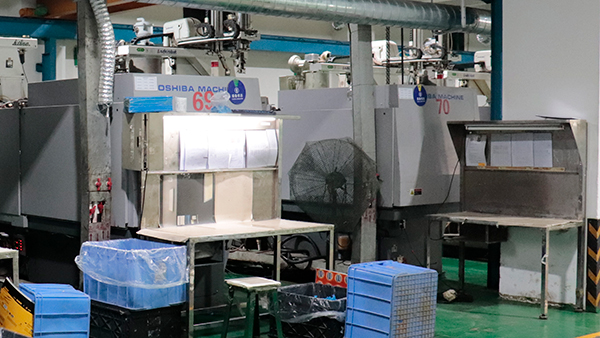
- Correctly analyze, assess, and address early signs of potential incidents to ensure they are eliminated in their initial stages. If an incident occurs, handle it decisively and accurately, promptly report it to superiors, protect the site, and make detailed records.
- Before using power tools, always inspect the cords, plugs, and plastic casing for any damage.
DAYIN Plastic Products Co., Ltd. has specialized in mold manufacturing for 30 years. As a professional injection molding and mold-making contractor, we offer one-stop OEM/ODM services. We excel in optimizing product structures to reduce mold and injection costs and have a complete product design and manufacturing team to provide high-quality design services. Equipped with advanced mold processing equipment and extensive mold-making experience, we are able to provide a wide range of plastic product manufacturing services. Our production facility spans 50,000 square meters, with 30 years of mold development experience, over 50 R&D personnel, and more than 100 injection molding machines, meeting the diverse needs of our clients.
Safety in the Mold Shop: The Rules That Never Retire
Mold-shop safety rules accumulate, but a few carry the load. The load-bearing set:
| Rule | Incident it prevents | Why it erodes without practice |
|---|---|---|
| Lockout-tagout on every intervention | Unexpected machine motion | “Just a quick look” habit |
| Guards verified before cycle start | Ejection and hot-plastic exposure | Interim bypasses left in place |
| Hot-surface discipline | Barrel and nozzle burns | Familiarity breeds contact |
| Mold-set lifting protocol | Crush injuries at the press | Rushed changeovers |
The lockout row erodes the way all safety habits erode — through exceptions that “worked.” Every skipped lockout that ends without injury quietly teaches the crew that the rule is ceremonial, until the one exception that matters arrives unannounced. Mature shops fight the erosion procedurally: audits count lockouts, not near-misses, and changeover schedules include the lifting protocol as a line item rather than an assumption. The hot-surface row is the newest crew member’s lesson and the veteran’s blind spot, which is why pairing on the barrel side of the machine beats any poster. Safety investment also pays where least advertised: shops with disciplined safety practice tend to run disciplined maintenance and process control, because all three are versions of the same habit — respecting the machine’s ability to surprise. The stop-and-check companion is in three situations to note, and the contamination cousin in pollution control. Reference: occupational safety and lockout-tagout.