




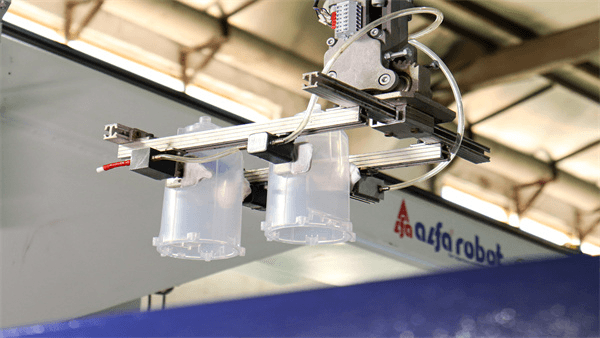
Injection molding tooling holds a significant place in modern manufacturing, serving as a key element in achieving efficient and high-quality production. Injection molding is a field that requires extensive knowledge, technical skills, and practical experience. Throughout the entire injection molding process, various materials and equipment are used, including plastic raw materials, colorants, regrind material, molds, injection molding machines, peripheral equipment, jigs, sprays, various auxiliary materials, and packaging materials. This naturally adds considerable workload and complexity to the management of an injection molding workshop. For this reason, it is essential to pay attention to the following three situations in the injection molding process.
- Temperature Control for Different Materials
Each type of raw material requires a specific temperature during injection molding. Deviating from the optimal temperature can lead to poor results. If the temperature is too low, it may affect the color of the liquid material; if it is too high, it can cause flashing. Therefore, the injection molding temperature must be strictly controlled according to the characteristics of the material used.
- Controlling Injection Speed
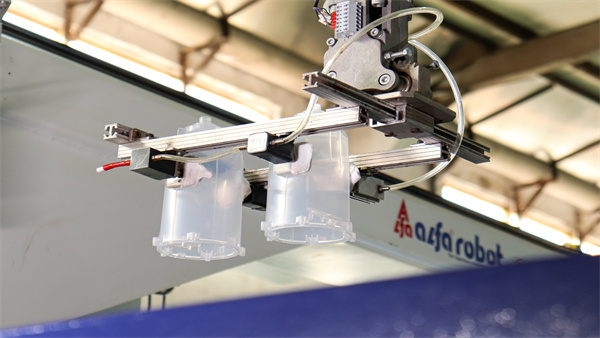
During injection molding, it’s also crucial to control the injection speed. If the speed is too high, it can lead to flashing, overfilling, or even burn marks. On the other hand, if the speed is too low, shrinkage and breakage may occur. Therefore, managing the injection speed is essential to ensure the quality of the final product meets the required standards. - Regulating Cooling Time
In the injection molding process, cooling time control is also important. The precise cooling time depends on the specifics of the product being molded and must be adjusted accordingly.
If you’re looking for high-quality injection molding services, consider partnering with us. DAYIN Plastics Products Co., Ltd. has a professional team, advanced equipment, and extensive experience to provide you with high-quality, precision injection molds that meet all your requirements. Contact us today to begin your journey toward efficient production!
Three Situations That Deserve a Stop-and-Check
Production floors run on rhythm, and three situations deserve breaking that rhythm deliberately:
| Situation | The risk it hides | The stop-and-check |
|---|---|---|
| First shots after tool maintenance | Reassembly errors propagate | Dimension check before rate resumes |
| Resin lot changeover | Drying and flow drift | Moisture verification, sample hold |
| Operator or shift handover | Parameter re-set by memory | Recipe recall from system, not panel |
The handover row is the quiet one. Parameter panels drift two clicks at a time when operators re-set from memory, and no single drift looks like an incident — until the weekly capability study shows a trend nobody can explain. Recipe recall from the system, with changes logged under a name, converts that drift into a controlled process. The maintenance row follows the same logic at higher stakes: a tool reassembled slightly wrong can run acceptably for hours before the defect signature appears, and by then the link to the intervention is already fading. The stop-and-check culture is cheap by the hour and expensive to retrofit, which is why mature shops institutionalise it early — three moments, three checklists, no exceptions. The safety framework behind this is in mold process safety guidelines, and the shrinkage interaction in shrinkage variation handling. Reference: process control context and workplace safety practice.