




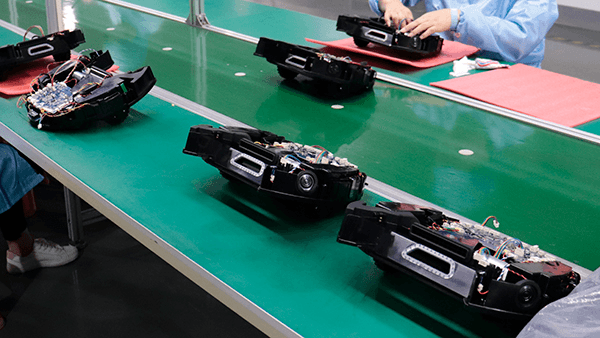
In Vietnamese product injection molding, the design of the gating system is crucial. During the design process, molten plastic is typically fed upwards through the injection nozzle, forming a series of channels. These channels include the sprue and runner, which connect with gates and cold slug wells, directly impacting the molding quality of plastic products. Sprue In mold design, a channel is usually created within the nozzle or other cavity of the injection machine. This channel has an uneven shape to fit better with the nozzle. The inlet diameter should be slightly larger than the nozzle diameter to prevent material overflow or blockage, generally set between 4 and 8 millimeters. The sprue diameter should expand outward to facilitate demolding operations. Cold Slug Well In mold design, a cold slug well is positioned at the end of the sprue to capture any cold material from the nozzle. This design helps prevent blockage in the runners and gates. If cold material enters other cavities, it can cause internal stress in the product. The diameter of the cold slug well is usually kept between 8 and 10 millimeters, with a depth of around 6 millimeters. To facilitate demolding, the bottom of the cold slug well is designed with a zigzag or grooved shape, allowing easy removal of material from the sprue. 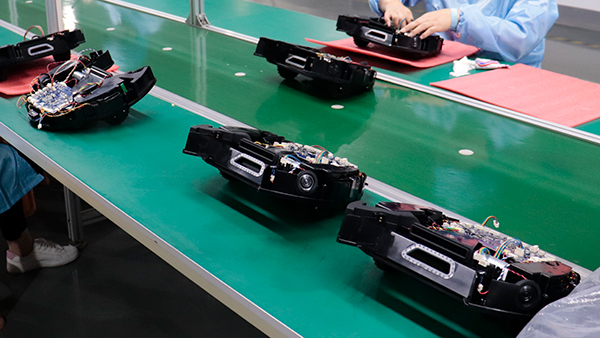 Runner In mold processing, the design of runners is equally important. They are used to rapidly fill each cavity, typically distributed at symmetrical distances. The cross-sectional area and shape of the runners impact the flow of the molten plastic and the effectiveness of demolding. A circular cross-section design minimizes flow resistance, but cylindrical flow does not cool efficiently. Therefore, runners are generally placed between two parting planes, although this design is more complex. DAYIN Plastic Products Co., Ltd. specializes in home appliance mold manufacturing, offering OEM/ODM contract manufacturing services. As a supplier integrating R&D and manufacturing, DAYIN has 30 years of mold development experience, over 50 R&D personnel, and more than 100 injection molding machines, committed to providing high-quality manufacturing services that create greater value for clients. Our products include robotic vacuum cleaners, plastic tableware, and electronic dartboards.
Gating Systems for Vietnam Programs: Design Meets Distance
Designing gating systems for programs run across borders adds a distance dimension to the physics:
| Distance factor | Design response | What it prevents |
|---|---|---|
| Slow feedback loops | Deeper simulation before steel | Correction cycles as freight tickets |
| Local resin variants | Gating sized for actual melt index | Fill surprises at production resin |
| Maintenance by local teams | Gates chosen for cleanability | Delicate gates no one dares service |
| Volume ramp profiles | Balanced systems over single-hero cavities | Tools tuned for samples, starved at rate |
The cleanability row is the distance insight buyers miss: a gate design that a resident engineer would service weekly becomes a different decision when the nearest specialist is a flight away, so robust, forgiving gate types often beat marginally more elegant ones in cross-border programs. The simulation row is the compensation — distance makes pre-steel analysis cheaper relative to the correction loops it prevents, and the simulation budget that looked optional at home looks mandatory at range. The resin-variant row respects reality: material grades differ between markets in ways data sheets understate, and gating sized on the actual local resin, sampled and melted, fills on the machine that will actually run it. The gate techniques behind this are in gate position techniques, and the standards frame in Vietnamese process standards. Reference: gating system design and weld line management.