




Vietnamese injection molding manufacturers play a crucial role in providing high-quality, precision parts and products for various industries. To ensure that molds meet performance and quality standards, strict adherence to process specifications is essential. Here are some key process standards to consider in mold production:
- Material Selection and Quality Requirements
The choice of material is critical in mold production. The selected material must have excellent mechanical properties, heat treatment capabilities, and wear resistance. Common materials include tool steel, alloy steel, and stainless steel. The quality of the material must meet strict standards, including hardness, toughness, and wear resistance. Failure to meet these standards can result in product defects and failures. - Design and Process Compatibility
Matching the design with the manufacturing process is equally important. The design should account for mold structure, strength, and longevity to ensure stability and performance. Appropriate machining processes should be selected to ensure the precision and surface quality of the mold. Kaidi Molds, known for its strict production standards, high precision, and reasonable pricing, is a leading company in this field.
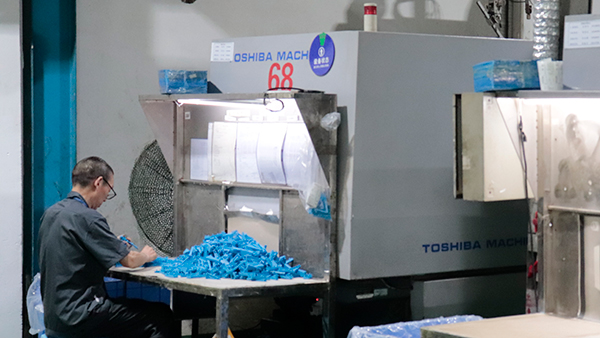
- Heat Treatment Process Control
Heat treatment is a crucial step in mold production, as it enhances the hardness, strength, and wear resistance of the mold, thus extending its lifespan. During this process, it’s essential to precisely control parameters such as heating temperature, holding time, and cooling speed to ensure the desired results. Only by adhering to these process controls can heat treatment effectively improve mold performance, extend its service life, and optimize production costs.
DAYIN Plastics Co., Ltd. has specialized in mold manufacturing for 30 years, offering one-stop OEM/ODM services as a mold-making and injection molding manufacturer. The company excels in product structure optimization, helping to reduce molding and injection costs. With a full product design and manufacturing team, advanced mold processing equipment, and extensive mold-making experience, DAYIN provides high-quality plastic product manufacturing services. Its 50,000-square-meter production base, 30 years of mold development experience, over 50 R&D staff, and more than 100 injection molding machines ensure high-quality service for clients.
Process Standards in Vietnamese Molding: What’s Written Down
Vietnamese molding factories differ less by skill than by what they have written down. The standards worth asking for:
| Standard domain | What it documents | Why it matters across borders |
|---|---|---|
| Setup sheets per tool | Parameters, not memories | Shifts and audits run identically |
| Quality plans per part | Which features, checked how often | Customer audits verify, not discover |
| Maintenance schedules | Tool care by hours, not by crisis | Program continuity across years |
| Training records | Who is qualified on what | Turnover does not reset the line |
The setup-sheet row is the border-crosser’s friend: parameters documented per tool mean a buyer’s remote question — “what changed when the defect started?” — gets an answer in minutes rather than a shrug. The quality-plan row converts audits from discovery missions into verification visits, which changes their tone and their cost; factories with plans welcome them, factories without fear them, and the difference is diagnostic. The training-records row is the quiet workforce answer: Vietnamese plants have grown fast, and the ones whose growth did not outrun their documentation are the ones whose output does not depend on any single foreman’s memory. Certification frameworks like ISO 9001 mark the floor of this documentation culture — worth having, worth verifying in practice, never sufficient alone. The demand context is in meeting demand in Vietnam, and the comparative frame in Chinese factory standards. Reference: quality management systems and Vietnam manufacturing.