




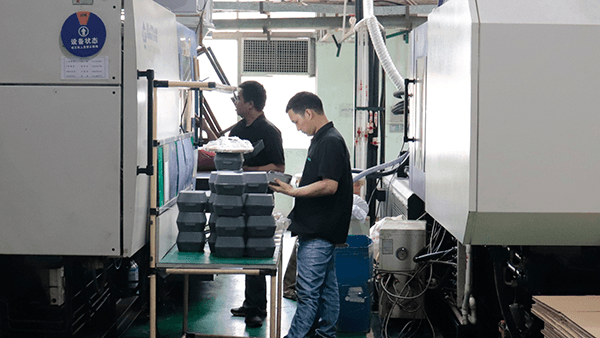
Chinese injection molding factories, while ensuring the quality and precision of plastic products, strive to reduce production costs and improve efficiency. In this process, injection molds are crucial, serving as indispensable tools in the production process. Injection molds directly affect product quality and production efficiency, so it is essential to follow certain standards during mold manufacturing to ensure precision and reliability. 1. Material Selection Material selection is critical in the production of injection molds. Mold materials must have sufficient hardness and wear resistance to ensure long-term durability. Common mold materials include high-quality tool steel, which also requires good machinability for processes such as cutting and polishing. Additionally, for specialized molds, like those used for transparent products, the transparency and high-temperature resistance of the material are key considerations. 2. Design Requirements The design of the injection mold is the core aspect of the manufacturing process. A well-designed mold ensures excellent molding performance and stable production efficiency. During the design process, the mold structure should be chosen based on the shape and size of the product, such as single-cavity, multi-cavity, or insert molds. The structure should also be simplified as much as possible to reduce manufacturing costs and minimize the risk of malfunctions during production. Moreover, proper design of cooling and ventilation systems is essential for improving molding quality and shortening the production cycle. 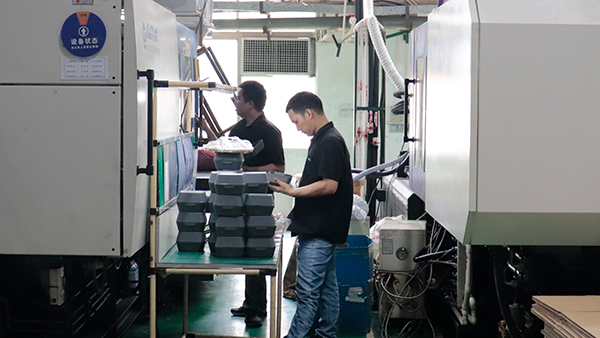 3. Processing Techniques The production of injection molds involves a series of processing techniques, including CNC machining, EDM (Electrical Discharge Machining), and polishing. During processing, it is essential to strictly follow design specifications to ensure mold precision and surface quality. CNC machining uses high-precision machines to process parts, ensuring the accuracy of the mold’s geometric dimensions. For molds with complex shapes, EDM is an indispensable fine-processing method. Additionally, surface treatments like polishing can enhance the mold’s surface smoothness and wear resistance. To ensure the processing techniques meet production requirements, it is recommended to partner with Kaidi Molds to meet high production standards. DAYIN Plastic Products Co., Ltd. specializes in home appliance mold manufacturing and offers OEM/ODM contract manufacturing services. As a comprehensive solution provider integrating R&D and manufacturing services, the company has 30 years of mold development experience, equipped with over 50 R&D personnel and more than 100 injection molding machines. DAYIN is committed to providing high-quality manufacturing services to create greater value for its customers. Its main products include robotic vacuum cleaners, plastic tableware, and electronic dartboards.
Standards in Chinese Factories: Reading Them in Practice
Standards certificates hang in every lobby. Reading standards in practice takes four questions:
| Standard claim | The practice question | What the answer separates |
|---|---|---|
| “ISO 9001 certified” | Show the last three internal audits | Certificate systems from living ones |
| “Documented processes” | Pull a setup sheet for a running tool | Documentation from decoration |
| “Trained operators” | Ask a floor operator about their quality plan | Training that reached the floor |
| “Traceable materials” | Trace one resin lot end to end | Systems that work under audit |
The operator question is the most revealing and the least confrontational: an operator who can name the checks on their own part has absorbed the quality plan, while one who cannot has received a poster. The traceability drill — one resin lot, followed from goods-in to shipped cartons — tests the whole documentation nervous system in a single exercise, and its speed is the finding. Factories across China’s molding regions vary widely in how deep their standards run, and the practice questions sort the range in an afternoon where certificates alone never could. The regional processing context is in China’s processing toolkit, and the Vietnamese comparison in Vietnamese standards. Reference: ISO 9001 in practice and manufacturing standards.