




Vietnam injection molding suppliers should be evaluated against the actual product, resin, tool, volume, quality and delivery requirements. A supplier’s country or general capability statement does not prove that a particular press, toolroom or quality system fits your program. Use a project-specific RFQ and verify the evidence before awarding production.
Define the production requirement
Give shortlisted suppliers the same information: current 2D drawings and 3D files, resin grade and color, surface-finish requirements, critical dimensions, expected order pattern, annual and peak demand, assembly or secondary operations, packaging and destination market. Mark assumptions and unresolved design items. This lets each supplier quote the same scope and identify where a design or commercial decision is still needed.
Verify machine and process fit for the part
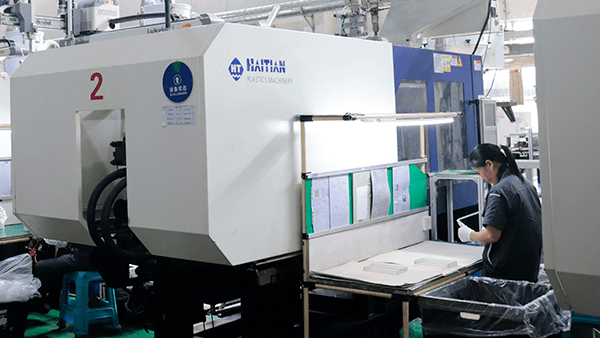
Ask which facility and production cell would run the program. Have the supplier identify the proposed press and explain how the part, mold, material and planned shot fit that machine. Request the model-specific machine information and the trial or production evidence used to support the selection. Confirm where the mold will be stored, maintained and used; do not infer toolroom access or repair capability from the company’s country or sales office.
Clarify tooling scope and ownership
Put the mold specification, approved design revision, cavity proposal, expected handoff files, ownership, custody, maintenance responsibility, spare components and repair approval process into the RFQ or tooling agreement. Ask how design changes are recorded and how the supplier will identify the revision installed at the press. For mold-design items such as gates, runners and vents, request the proposal and the reasons behind it rather than relying on a generic capability claim.
Review quality and production evidence
Agree how first samples will be measured, which dimensions and appearance criteria control release, and what records accompany a production lot. Depending on the product, useful evidence may include a measurement report, material and lot identification, process or setup records, nonconformance handling, and a documented sample-approval decision. Confirm who can authorize a process, material or tool change.
Test the delivery plan and continuity assumptions
Ask the supplier to state the planned production location, key outside processes, packaging method, shipment responsibility and assumptions behind the quoted schedule. Discuss how capacity is reserved, how shortages or quality holds are escalated, and what happens if a tool or critical process is unavailable. Treat any capacity or lead-time statement as a project commitment to be documented, not as a general property of a country or region.
Compare RFQs on equal terms
Compare tooling, resin, production, inspection, packaging, freight and change-control scope separately. Record exclusions and quote assumptions, then resolve material differences before comparing price. For a project-specific molding scope, see DAYIN’s custom plastic injection molding service. For a Vietnam-focused process reference, see the Vietnam injection molding process standards overview.