




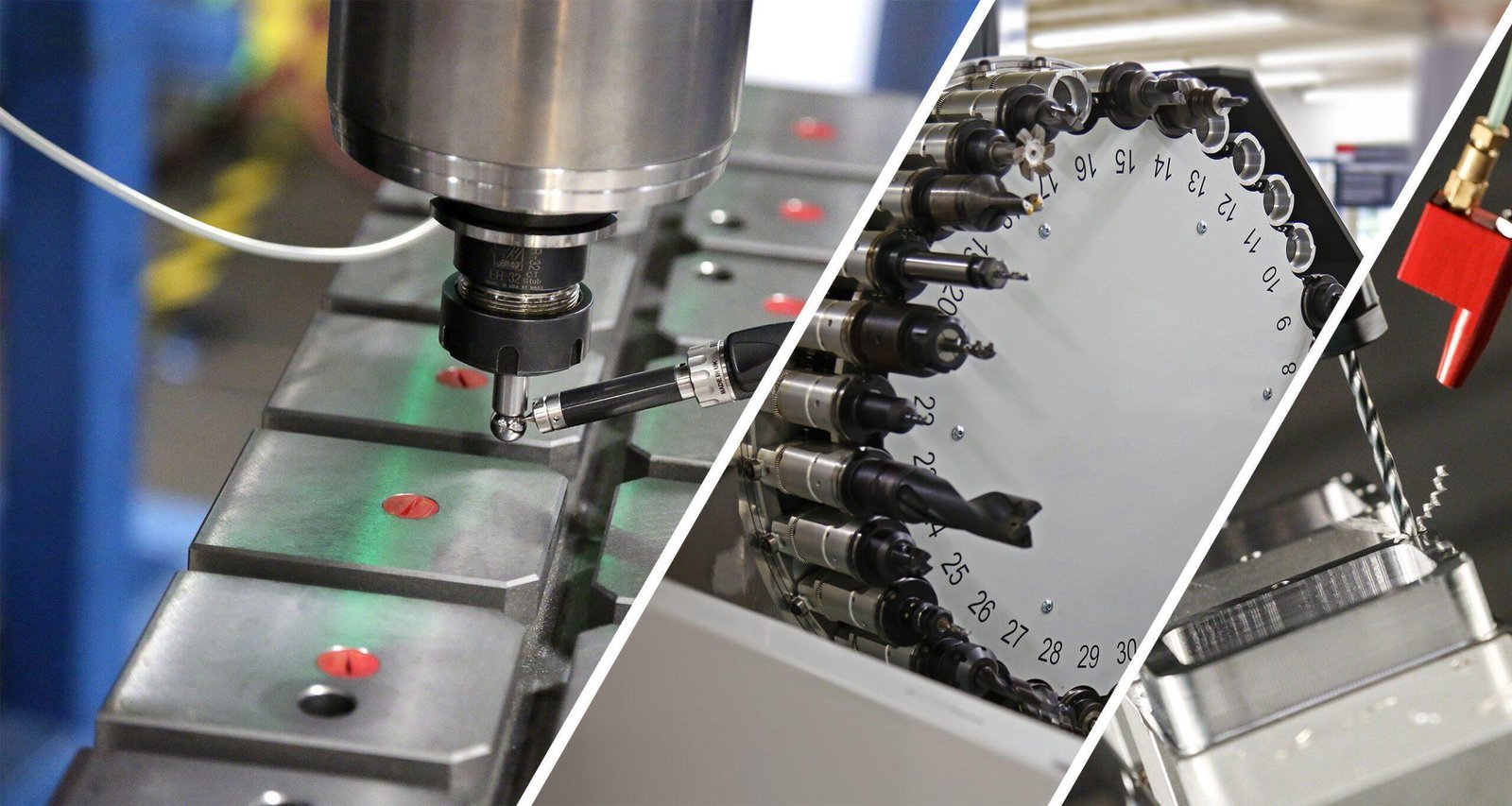
Plastic injection molding manufacturers widely use mold inserts in the processing of injection molds, particularly in areas such as the front mold, back mold, sliders, and angled ejectors. So, why do these manufacturers choose to use inserts in injection mold processing?
The main reasons are:
- Material Savings: Injection molds typically use fixed-shape steel, with the amount of material required being determined by the mold’s height. If certain parts of the mold vary in height, inserts can be used to lower specific areas, reducing material waste. Additionally, common modifications can be easily addressed by replacing inserts, making future mold changes convenient and efficient.
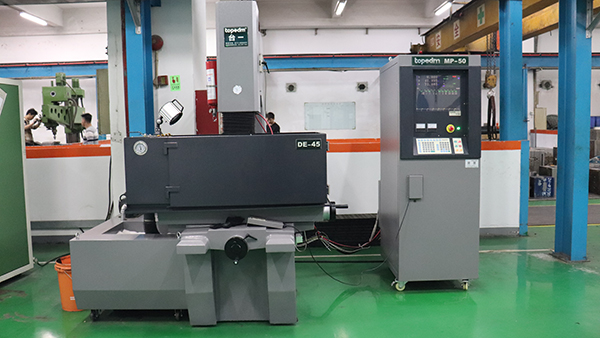
Improved Ventilation: Proper ventilation is a crucial factor in the injection molding process. Poor ventilation can lead to trapped air in the mold cavity, especially in deeper structures, resulting in defects such as bubbles, shrinkage, incomplete filling, or discoloration. By adding inserts in areas that require ventilation and utilizing the gaps between the inserts, ventilation can be significantly improved.
In conclusion, mold inserts in injection molding not only help reduce material waste but also enhance product quality, making them widely adopted in the industry.
DAYIN Plastic Products Co., Ltd. is a high-tech enterprise dedicated to product research, design, manufacturing, and sales services, offering one-stop manufacturing solutions. Established in 1989, the company specializes in mold making, injection molding, post-processing, and electronic assembly. In addition to OEM services, we also develop our own products for private label manufacturing. With a 50,000-square-meter production facility, 30 years of mold development experience, over 50 R&D staff, and more than 100 injection molding machines, DAYIN is a leader in the field.
Inserts: The Metal Inside the Plastic
Insert molding places metal inside plastic, and the bond between them decides the part’s fate:
| Insert type | What it carries | Bond discipline required |
|---|---|---|
| Threaded brass inserts | Repeated screw cycles | Knurl design matched to resin |
| Electrical contacts | Conductivity paths | Clean, oxide-free at insert time |
| Structural pins and bosses | Load transfer | Anchorage geometry, not just grip |
| Bearings and bushings | Moving alignment | Positional accuracy at injection |
The knurl row is where insert failures begin: a knurl pattern that grips one resin spins in another, and the pull-out test on real resin — not the catalogue’s — is the cheapest insurance in insert molding. The cleanliness row costs nothing and fails quietly: an insert loaded with fingerprints or machining oil bonds imperfectly, and the defect surfaces months later as a contact that walked. Placement precision is the process half — inserts positioned by hand carry operator variance into every shot, while fixtures and robots hold tenths where fingers hold opinions. Manufacturers use inserts because the combination outperforms either material alone; the combination also inherits both materials’ failure modes, which is why the discipline list matters. The assembly optimisation that follows is in assembly optimisation, and the material context in resin selection. Reference: insert molding practice and knurl anchorage.