




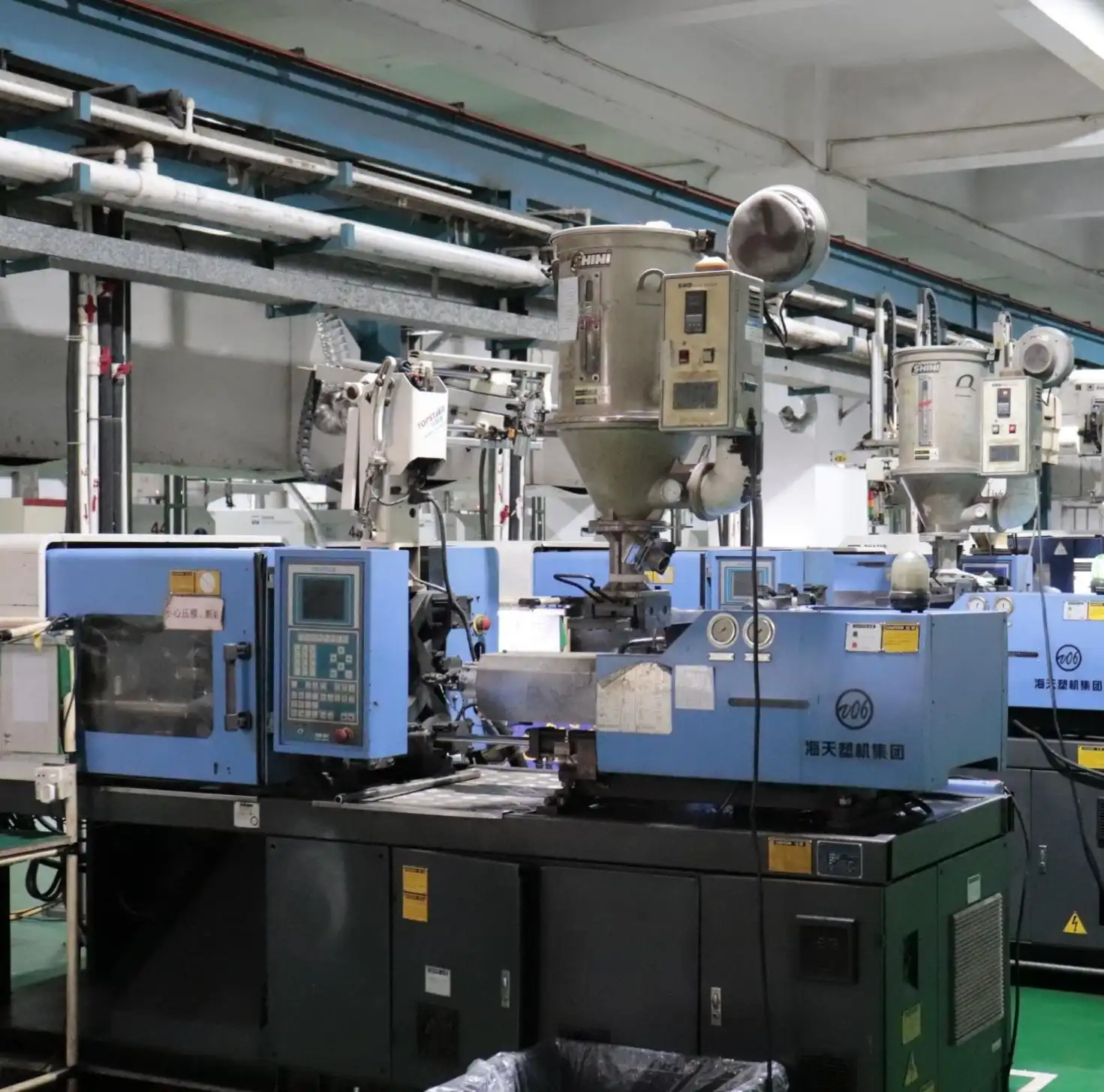
Multi-cavity molds are a crucial design type in plastic mold manufacturing, featuring multiple cavities within a single mold to produce several identical or different plastic products simultaneously. When designing multi-cavity molds, manufacturers must consider the following key points:
- Cavity Quantity and Arrangement: The number of cavities is determined by the manufacturer based on production requirements and the type of injection molding machine used. For example, a “1×4” mold has four cavities, allowing the simultaneous production of four identical plastic parts. When designing the cavities, factors such as the mold’s forming components, core-pulling structure, and ejection method must also be considered.
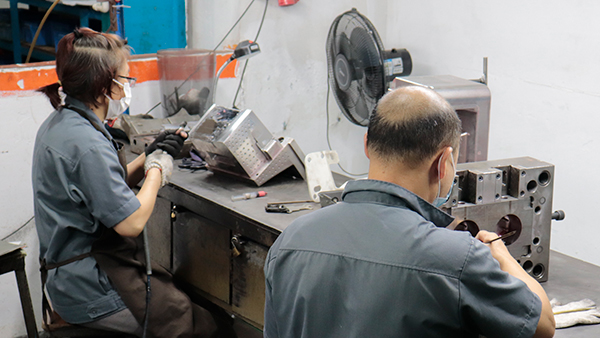
- Mold Structure:
When high aesthetic quality and moderate dimensional accuracy are required, along with high assembly precision, a multi-cavity and multi-parting surface layout may be necessary. The number and placement of parting surfaces should be based on the specific structure of the plastic part. For example, for motor insulation frames, three parting surfaces might be required.
DAYIN Plastic Products Co., Ltd. specializes in home appliance mold manufacturing and offers OEM/ODM services. As a comprehensive manufacturing solutions provider, our own product lines include robotic vacuum cleaners, plastic tableware, and electronic dartboards.
Multi-Cavity Molds: Balance Is Everything
A multi-cavity mold multiplies output — and multiplies every imbalance at the same time. The trade table:
| Cavity count | Upside | What it demands |
|---|---|---|
| 2–4 | Lower tooling cost, easy balance | Runner design discipline |
| 8–16 | Unit cost drops fast | Natural balancing; steel uniformity |
| 32–64+ | Lowest unit cost at volume | Full hot-runner control, stricter QC |
Balance is the whole game: if one cavity fills a fraction of a second late, its parts run lighter or shorter, and the defect hides until assembly or the customer finds it. Three practices keep 16-cavity tools honest — flow simulation before steel, short-shot studies at trial, and per-cavity weight tracking in production. The economics deserve honesty too: a high-cavity mold amortizes only when volumes fill it, and its maintenance is a batch operation (one damaged cavity can bench the whole tool). The production upside is quantified in multi-cavity production speed and the failure mode it most often exposes in factors behind short shots. Reference: injection moulding and polymers.
When Multi-Cavity Is the Wrong Answer
The multi-cavity economics table has a fine print section, and three cases live there. Low annual volume: a 16-cavity tool amortized over 30,000 parts costs more per part than a 4-cavity tool run longer — cavity count only pays when volume fills it. Large parts: cavity count multiplies projected area, and clamp force multiplies with it; four large cavities may need a press bigger than the floor can host. Fast-moving programs: a single damaged cavity benches the whole tool for balancing — programs that cannot tolerate that downtime run two smaller tools in parallel instead. The honest decision procedure: compute unit cost at the real annual volume including maintenance and downtime exposure, not at the sales team’s aspiration. Multi-cavity molds print money at the right volume and print scrap at the wrong one; the table above sets the stage, the volume decides the play.