



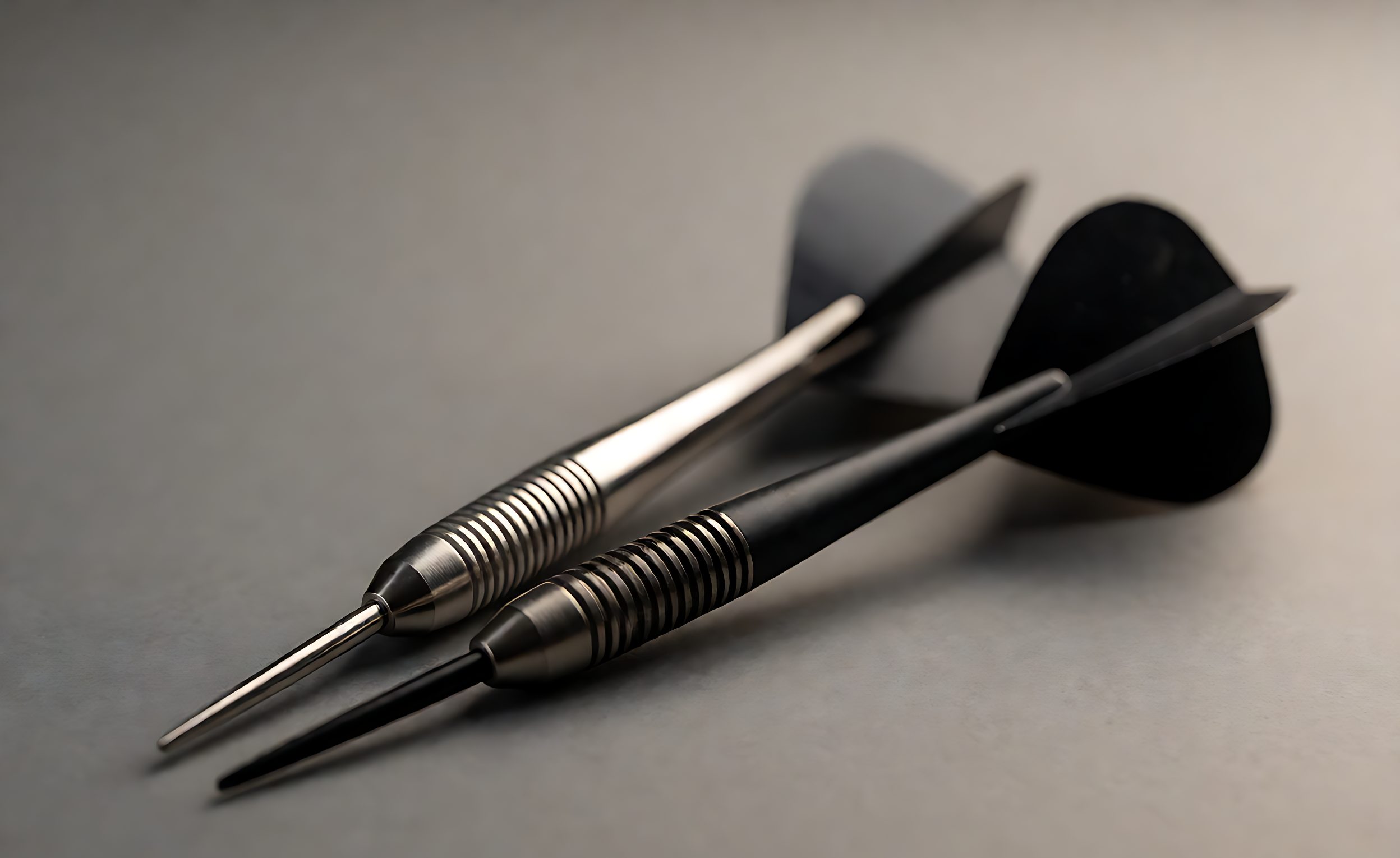
Of every component on a dart, the shaft is the one customers break, replace and blame. Barrels survive a decade; shafts are bent, snapped, unscrewed and lost, and the material chosen for them decides which of those four failures a product actually experiences. For a buyer specifying an OEM dart set, shaft material is a positioning decision, a durability decision and a spares decision at the same time – and it is one of the few lines where a small cost change is clearly visible to the customer.
The two mainstream choices are nylon and aluminium, with carbon composite sitting between them at a price. Each is well understood, and the interesting part of the specification is not which material is better in the abstract but which failure mode the set can afford to own.
Nylon: The Flexible Default
Nylon shafts are light, inexpensive and forgiving. When a dart hits the floor or catches another dart in the board, the shaft flexes, absorbs the impact and returns. That single behaviour is why nylon is the correct default for family, casual and starter sets: the most common accident in the category is a dart bouncing out and hitting a hard surface, and a flexible shaft turns that event into nothing.
The trade-offs are gradual rather than sudden. Nylon shafts wear at the thread and can loosen over a long session, which shows up as a dart that spins on its barrel mid-throw. They lose their colour consistency less predictably across batches than metal does, and cheap formulations become brittle with age. None of these is a catastrophe on a price-led set, and all of them can be specified against.
Aluminium: Rigidity and Its Consequences
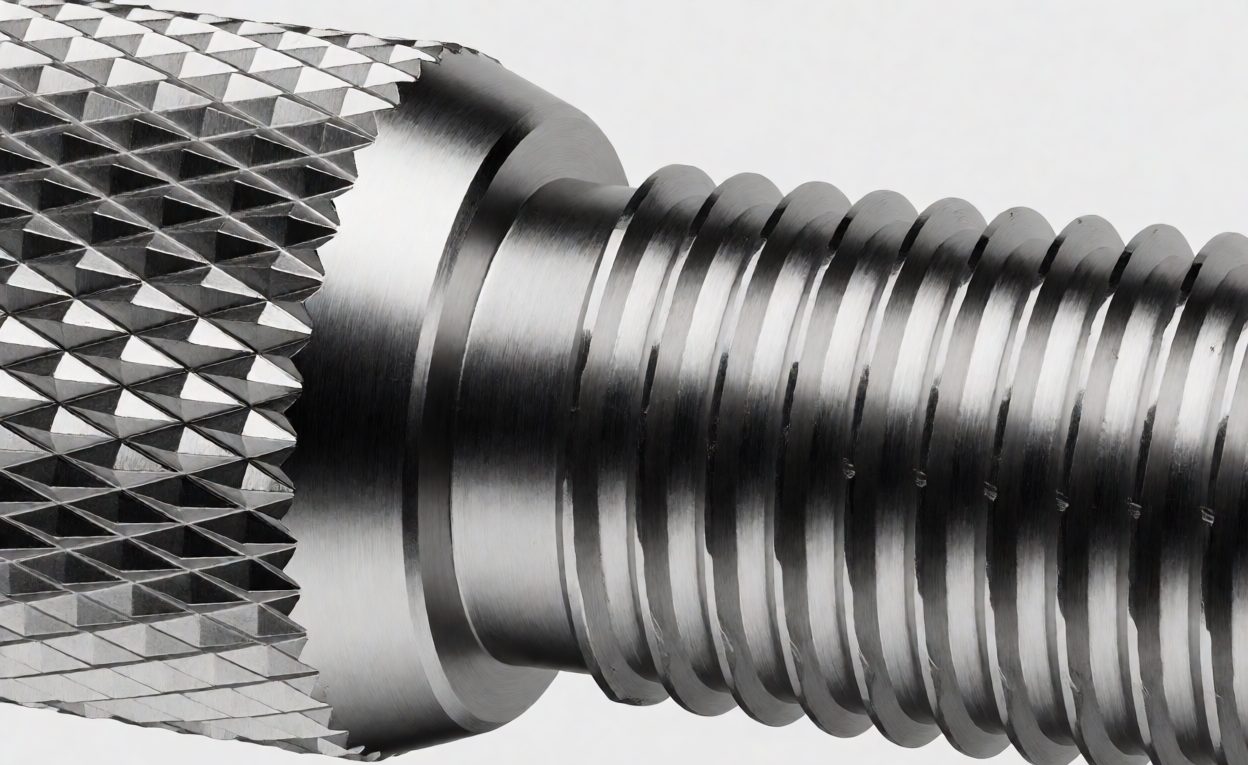
Aluminium shafts are rigid, they hold a true line, and they look and feel like an upgrade the moment a customer picks the dart up. For a set positioned as enthusiast or gift grade, that perceived quality is the whole point, and it is one of the cheapest upgrades available in a dart set.
Rigidity, however, moves the failure elsewhere. A metal shaft transmits impact into the barrel thread instead of absorbing it, so threads wear and barrels can crack at the joint. An aluminium shaft that takes a hard side impact bends permanently rather than recovering, and a bent shaft is a dart that no longer flies straight – which reads to the customer as a broken product rather than as a consumable that needs replacing. Sets sold with aluminium shafts need a spares story, and the packaging copy should say so plainly.
What Changes in Flight and Balance
Material changes weight, and weight changes balance. A metal shaft puts more mass behind the barrel, shifting the balance point rearward compared with the same geometry in nylon, which changes how the dart sits in the hand and how it leaves it. Many players find that shift comfortable; some do not, and neither group is wrong. The specification point is to treat material and length as one decision.
Length is the variable with the larger effect on flight. Short shafts move the balance forward and suit tight, fast throws; longer shafts stabilise a slower, arcing throw; medium is the safe default for a general-purpose set. Specify shaft length, and specify overall rear assembly length as well, because two shafts of the same nominal length place the flight differently depending on how the flight seats.
- Decide material and length together, and state both on the specification rather than accepting a catalogue default.
- Confirm the thread standard in writing – the common 2BA thread keeps replacement shafts available anywhere a customer looks.
- Check balance on the finished dart, not on the shaft alone, since the barrel dominates the result.
Durability Testing That Predicts Returns
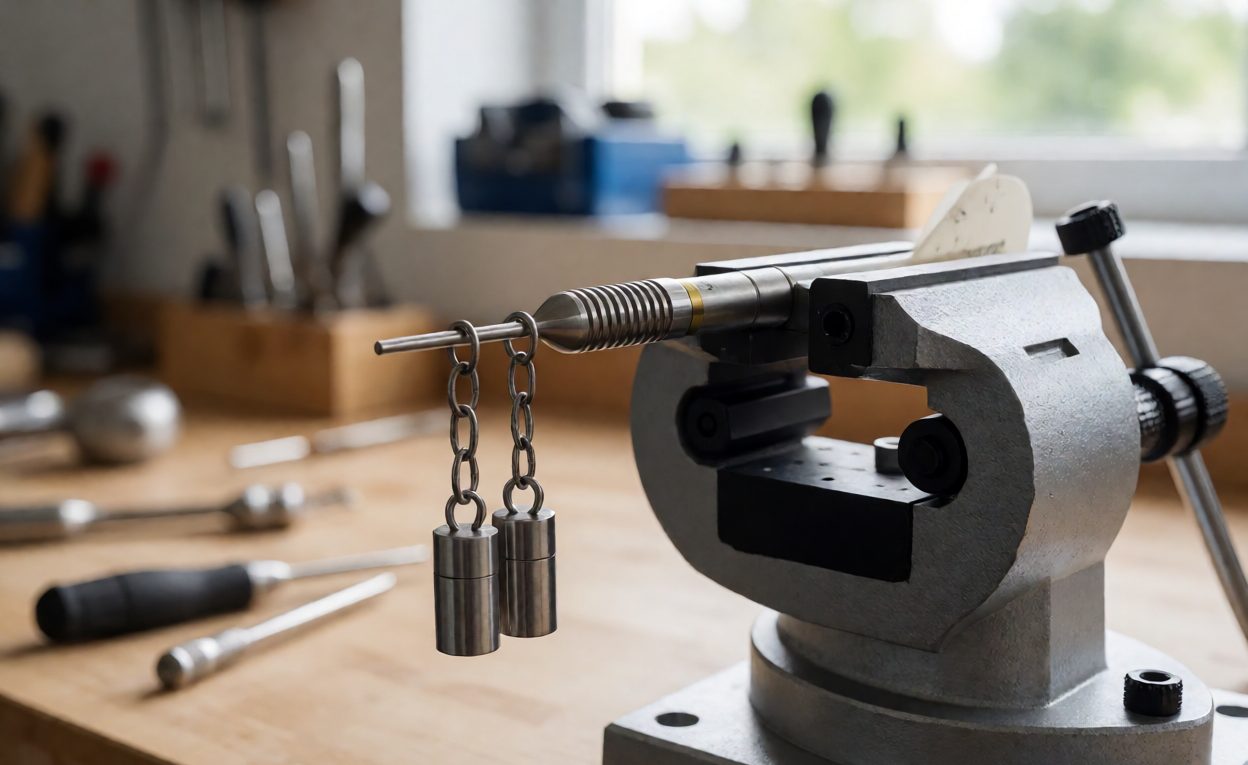
The tests worth writing into an order are short, and all of them are about the joint rather than the shaft in isolation. Drop the finished dart onto a hard floor from throwing height, repeatedly, onto the shaft side as well as the point, and inspect for bending, thread damage and flight detachment. Cycle the thread: screw and unscrew the shaft a defined number of times and check for loosening or thread wear at the barrel. Then run a deliberate bounce-out session against the board the set ships with, because that is where most real-world impacts happen.
Finally, check set matching. Three darts that differ in shaft length or weight by a visible amount feel like a defect even when each part is individually in tolerance, and mismatch complaints are disproportionate to their cost to prevent.
Spares, Packaging and the Positioning Call
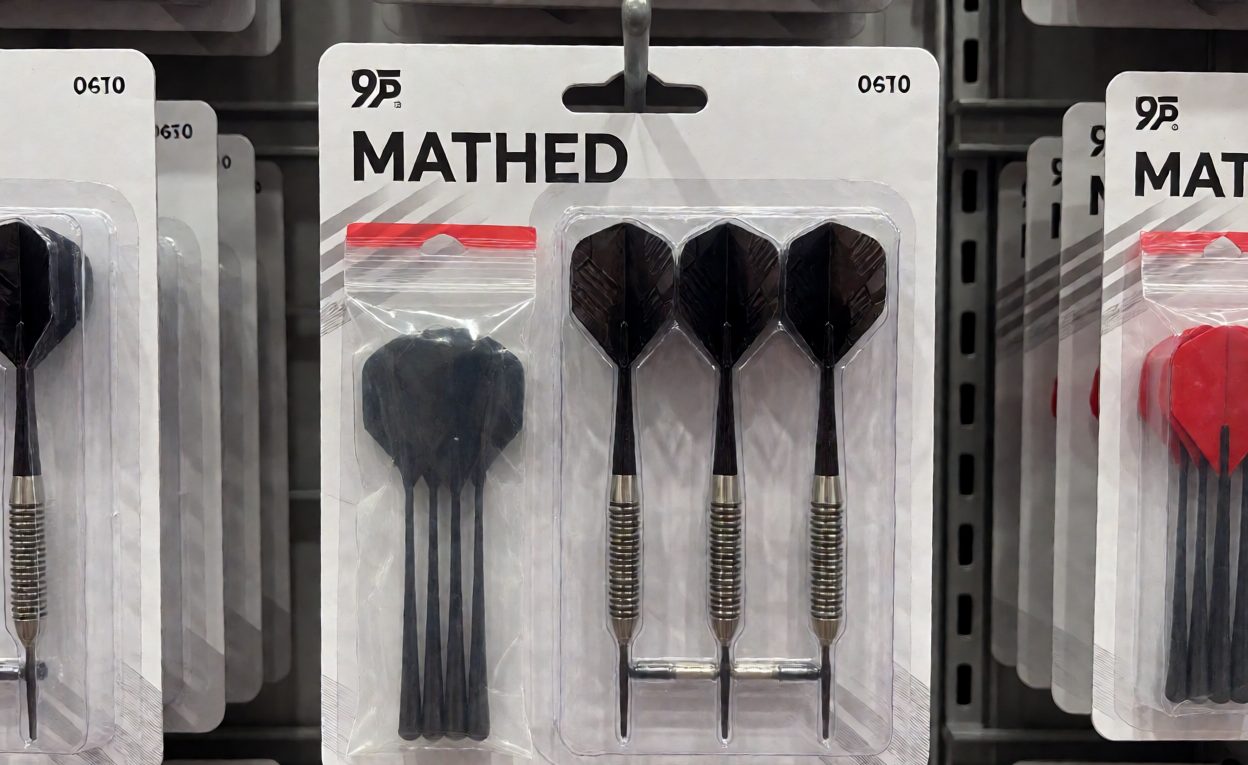
Shafts are near-consumables, and the material choice determines how visible that is. A nylon set can ship with a spare shaft and two spare flights and effectively end the complaint category. An aluminium set should ship with more, because a bent metal shaft is more likely and more annoying, and because the customer who has just bent one is deciding in that moment whether the set was worth the money.
Commercially, the choice lines up with the rest of the programme. Steel-tip sets aimed at home and family play default to nylon. Sets aimed at league-curious or gift buyers, where metal reads as quality and the price point absorbs the cost, move to aluminium with a spares pack. Composite shafts exist for the top of a range, but they have to be justified by positioning rather than by performance alone.
What to Put on the Order
- Vật liệu: nylon, aluminium or composite, named by grade rather than by description.
- Length: shaft length and overall rear assembly length, with a tolerance.
- Thread: standard 2BA, confirmed on production samples and compatible with aftermarket replacements.
- Finish: colour and surface consistency across the run, plus knurl or grip pattern where used.
- Tests: drop, thread-cycle and bounce-out protocols on the finished dart, with acceptance criteria.
- Spares: the exact number of spare shafts and flights per retail pack.
Technical Background
Nylon shafts rely on the toughness of nylon, a polyamide that flexes under impact and recovers where a stiffer material would take a permanent set. Aluminium shafts use aluminium for stiffness and low weight, which is why they hold a line and also why they bend rather than forgive. Both screw into the barrel on the small standardised threads used across các quả equipment, and staying on that common standard is what keeps replacements available to the customer.
Related Set Decisions
Shafts cannot be specified in isolation from the flight that seats in them or the board the set is sold with – the full rear-assembly specification is set out in the dart flight and shaft specification guide, and the darts themselves in the soft-tip dart specification. The surface those darts land in is compared in the dartboard segment material comparison, the wider family in the dartboard types overview, and the brand and positioning context in the dart brands overview. Where the set is bundled into a cabinet or surround programme, the packaging and spares logic is covered in the wall protection and surround ring bundling guide.
Những Câu Hỏi Thường Gặp
Chất liệu trục nào là mặc định an toàn cho một bộ gia đình?
Nylon. It flexes on impact instead of transmitting it, it is light and inexpensive, and it turns the most common accident in the category into a non-event.
Tại sao trục nhôm bị cong thay vì đàn hồi?
Rigidity is the point of metal – it holds a true line – but a hard side impact takes a permanent set rather than recovering, so spares matter more.
Does shaft material change how the dart flies?
Yes, through weight and balance. A metal shaft shifts the balance rearward; length usually has the larger effect, so specify both together.
What thread standard should an OEM set use?
The common 2BA thread, confirmed on production samples, so a customer who loses a shaft can buy a replacement anywhere.
How many spare shafts should ship with a set?
At least one for nylon sets and two or more for aluminium, since a bent metal shaft is more likely and more annoying to the customer.
What test predicts shaft returns best?
Drop testing onto a hard floor, a thread screw-and-unscrew cycle, and a deliberate bounce-out session against the board the set ships with.
Should all three darts in a set match?
Yes. Visible differences in shaft length or weight read as a defect, so check matching across retail packs from the production run.