



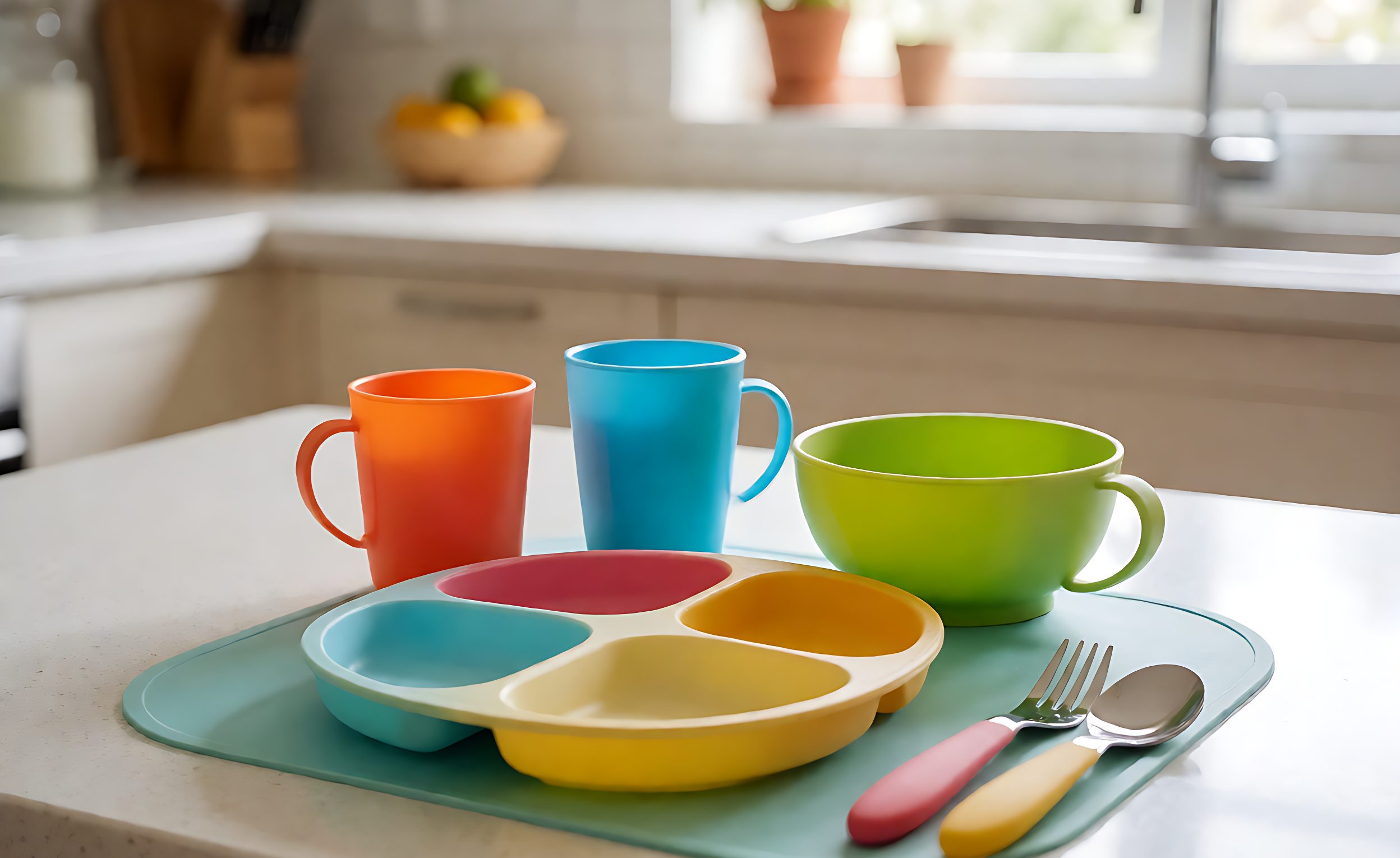
Children’s tableware is one of the most trust-sensitive categories in plastic housewares. Parents read packaging, regulators read lab reports, and retailers read both before they read your price list. For wholesale buyers and brand owners, the category rewards preparation: the material and food-contact work you do before sampling determines whether the program ships smoothly or stalls at customs. This guide covers the certificates that matter, the material choices that make sense, and the design details that convert parents.
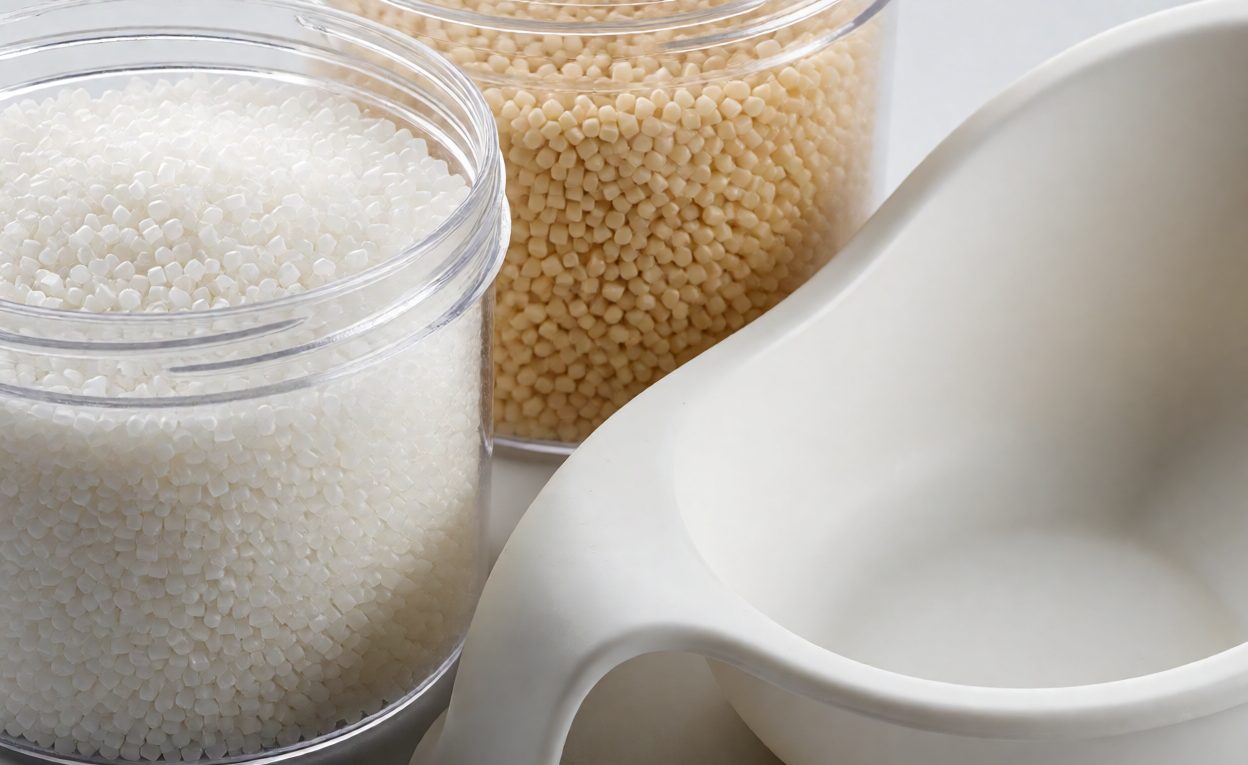
Food-Contact Rules by Market
Tableware touches food, so it inherits food-contact law, which is stricter than general product safety:
- United States: FDA food-contact compliance (21 CFR) for the plastic resin and any colorants. Your supplier should provide a food-contact statement naming the resin grade and citing the FDA regulation it complies with — a generic “food grade” claim without the citation is not documentation.
- European Union: Regulation (EU) No 10/2011 for plastics intended to contact food, plus national schemes like LFGB in Germany, which consumers recognize on packaging and which carries real shelf credibility. Migration testing on the finished article is the evidence that matters.
- UK: retained EU-style food-contact rules post-Brexit; documentation largely parallels the EU approach.
Request the full declaration package — resin certificates, migration test reports on the finished product, and colorant statements — before the deposit, and re-test when you change material, color or supplier. This is the same logic as the AQL inspection discipline: documents first, goods second.
Material Choices: PP, Silicone and the Tritan Question
Most children’s tableware is polypropylene, and for good reasons detailed in our PP, ABS, PC and PA material guide: PP is food-contact friendly, dishwasher-safe, lightweight and cheap in every color. The ABS vs PP vs PC comparison matters here mainly as a caution — polycarbonate’s bisphenol history keeps it out of modern children’s feeding products, and buyers should treat any PC tableware pitch for kids as a red flag.
- PP (polypropylene): the workhorse for plates, bowls and cups. Microwave and dishwasher tolerant; check temperature rating on the specific grade for steam sterilization claims.
- Silicone: premium feel, excellent for suction-base plates and bibs; costs more and demands genuine platinum-cured material with its own food-contact papers.
- Tritan-style copolyesters: glass-like clarity for cups; confirm the specific grade’s food-contact and BPA-free documentation from the resin maker, not just the factory.

Technical background: food-contact law treats every food contact substance — resin, colorant and ink alike — as something that can migrate into food, which is why certificates cite the specific polypropylene grade rather than just “plastic”. Silicone is judged on its own chemistry: silicone elastomers are evaluated by cure system and extractables, which is why platinum-cured material carries separate paperwork.
Design Details Parents and Retailers Notice
In this category, design is compliance-adjacent. The details that separate a shelf-ready program from a clearance bin:
- Suction bases that actually hold: test on wood, glass and plastic trays; a suction ring that releases on a slightly textured tray generates returns.
- Divided sections sized for real portions: parents buy divided plates to separate foods; sections too shallow for sauce defeat the purpose.
- Grips and weight: small hands need texture and a base that will not tip when pushed.
- Cleaning reality: no crevices that trap food; dishwasher tolerance stated honestly, since repeated cycles are where cheap printing and thin rims fail first.
- Packaging that shows the product: window boxes or open display; parents want to touch the rim and feel the edges before trusting it.
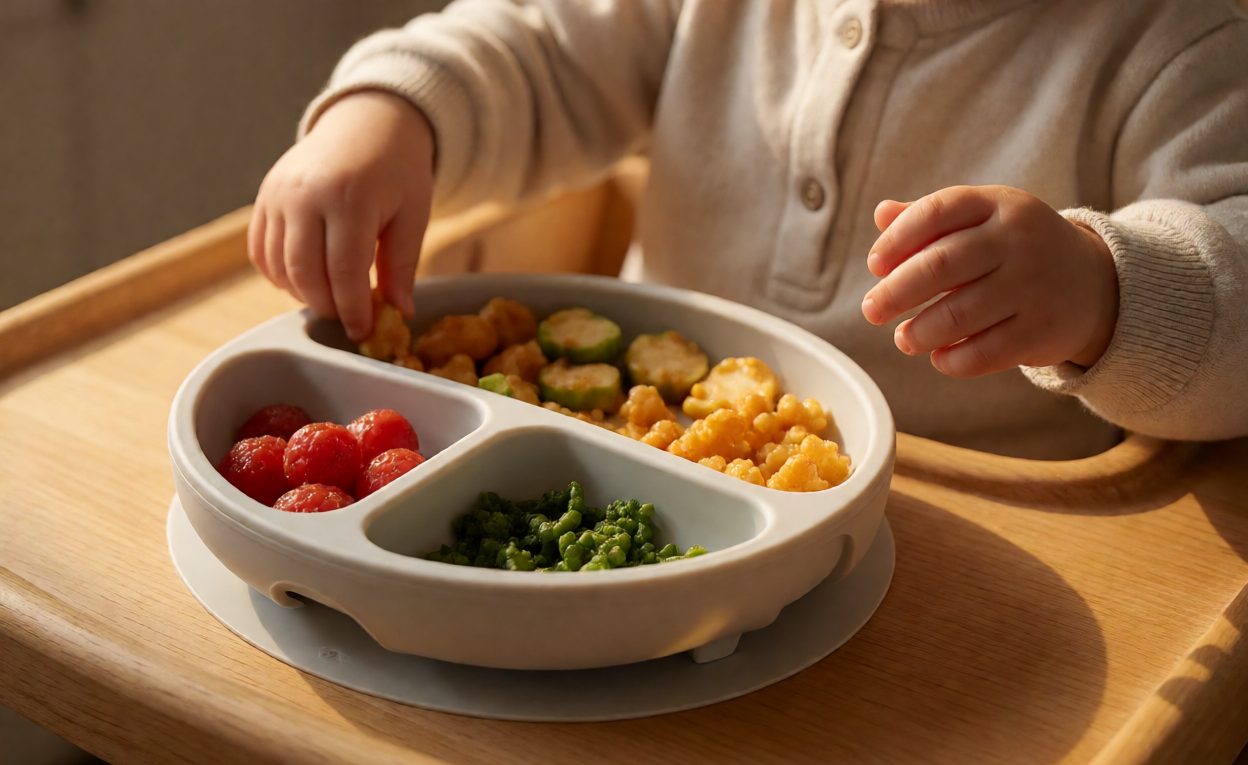
Building the Program With a Factory
Two structural notes for buyers. First, decoration is where schedules slip: printing inks on food-contact surfaces need their own migration documentation, so decide early between printing on the non-contact outer surface only, in-mold labeling, or undecorated color-through product. Second, plan inspections with the same rigor as documentation — a clean certificate file does not excuse a shipment with burrs on a feeding surface, and the pre-shipment AQL gate is where that gets caught. Buyers who bundle both — documents and inspection — get programs that survive retail audits and parent scrutiny alike.
Which certificates do children’s tableware need for the US and EU?
US: FDA food-contact compliance for resin and colorants, cited to 21 CFR. EU: Regulation (EU) 10/2011 with migration testing on the finished article; LFGB testing adds German-market credibility. Collect resin certificates, colorant statements and finished-product migration reports.
Is PP safe for children’s tableware?
Yes — polypropylene is widely used for food contact, is dishwasher and microwave tolerant in suitable grades, and has no bisphenol concerns. Verify the specific grade’s food-contact certification rather than relying on the generic claim.
Why is polycarbonate avoided in children’s feeding products?
PC historically contained bisphenol A, which regulators restricted in children’s food-contact items. Modern children’s tableware uses PP, silicone or BPA-free copolyesters instead; treat a PC pitch for this category as a warning sign.
Are silicone plates worth the higher cost?
For suction-base plates, bibs and premium lines, yes: silicone grips better, survives sterilization and carries a premium price. Demand platinum-cured material with its own food-contact documentation, because silicone quality varies widely.
Can we print branding on the food-contact surface?
Prefer not to. Inks need their own migration documentation and add compliance surface area. Common practice prints only on non-contact outer surfaces or uses in-mold color; undecorated color-through product is the simplest compliance path.
How do I verify a factory’s food-contact documents are genuine?
Ask for test reports naming the testing lab, the article tested and the regulation cited; cross-check the lab’s report number format and contact the lab if in doubt. Reports on the finished article, not just the resin, are the standard to insist on.
What design features reduce returns in this category?
Suction bases that hold on real tray surfaces, crevice-free rims for cleaning, honest dishwasher claims, and divided sections deep enough for sauce. Parents return products that fail in the first week of real meals.