



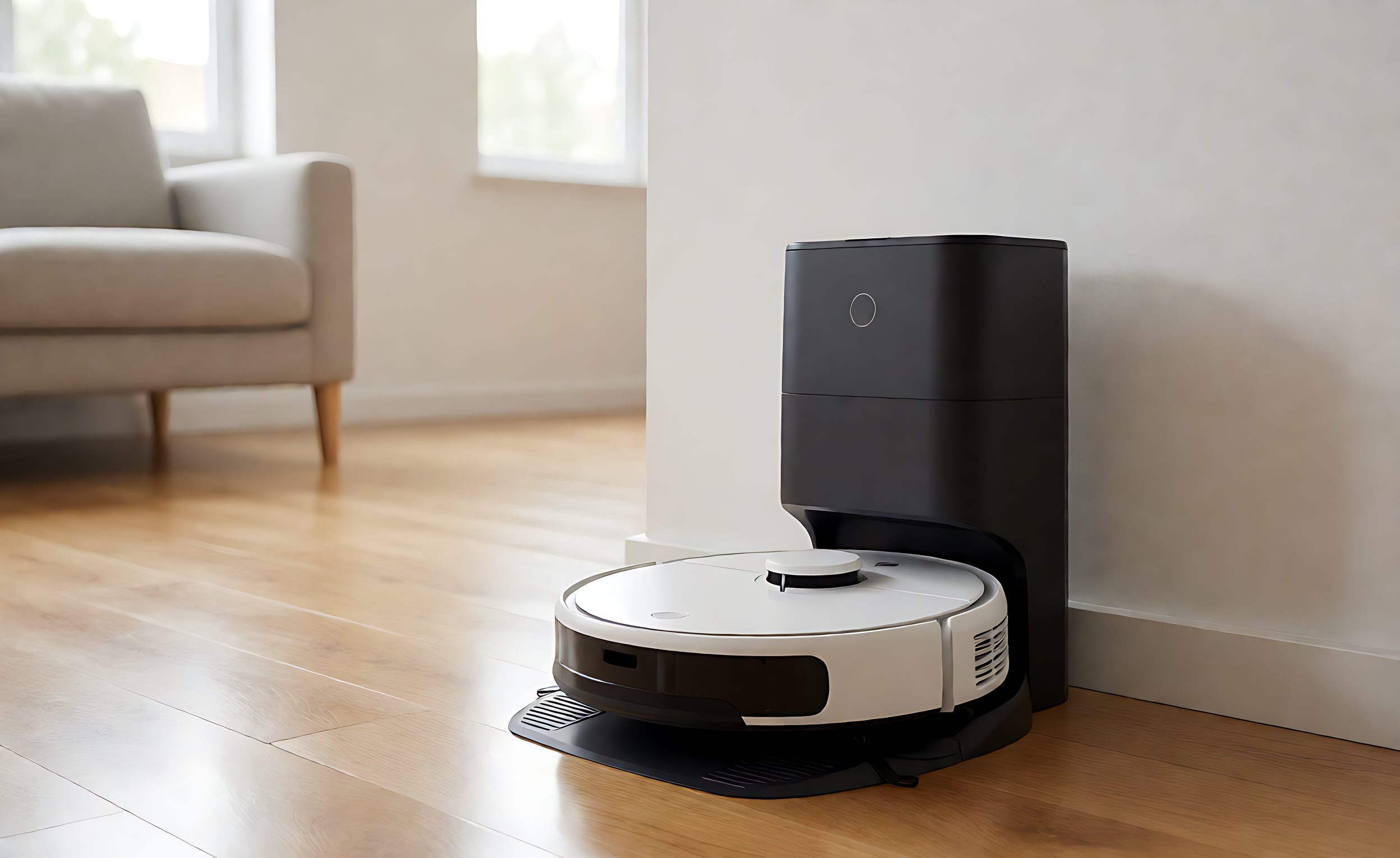
Robot vacuums are the most requested — and most underestimated — private label category in home appliances. The product looks like a commodity puck, but it is a bundle of navigation hardware, motors, batteries, firmware and a cloud-connected app, and weakness in any layer generates returns. Brands coming from simpler categories get burned here by treating the robot as a molded housing with a fan inside. This checklist covers what to verify before you put your logo on one.
Start by understanding what you are actually buying: the navigation technology comparison explains why two visually identical robots behave completely differently in a real home. Navigation is the single biggest driver of reviews in this category.
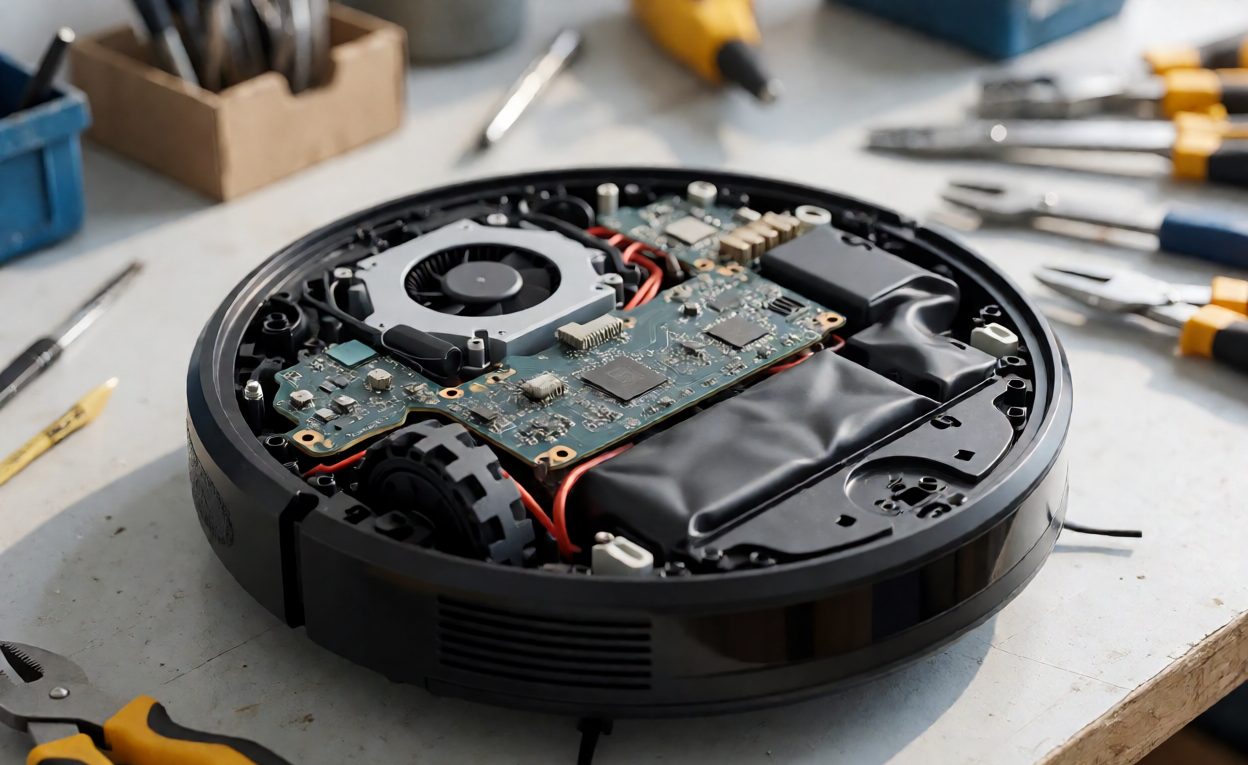
Platform First, Logo Second
Most OEM robots are built on shared platforms with configurable navigation grade, suction and mopping. Verify which platform tier you are actually quoting:
- Gyro/gyro+camera basic tier: cleans in patterns, forgets where it has been, misses rooms. Cheap and it shows.
- LiDAR tier: maps the home, cleans in ordered rows, supports no-go zones in the app. The default for any brand that wants 4-star-and-above reviews.
- LiDAR + AI obstacle avoidance tier: recognizes cables, socks and pet waste. The premium tier — and the one where the BOM cost is mostly sensors and compute, so price it honestly.
Match the tier to your market promise. If your listing says “smart mapping”, anything less than real LiDAR is a false-advertising claim waiting to happen. For content angles, the category’s value case is well covered by why households invest in robot vacuums, and niche positioning like the best robots for pet hair shows how sub-segments carry private labels profitably.
Technical background: the robot máy hút bụi category divides by how it sees the room — LiDAR units sweep a laser to build the map while camera units infer from images — and every tier runs on pin lithium-ion whose cycle life sets the product’s second year. Sensing, software and cells: those three layers are where OEM tiers actually differ.
The App and Firmware Question
The app is the product. In this category the factory’s standard app serves dozens of brands, which means your “private label” ships with someone else’s splash screen unless you negotiate otherwise. Verify:
- App identity: your brand name and logo in the app store listing and boot flow, or a white-label build. Whose developer account, and who pays for cloud infrastructure per connected unit?
- Firmware update path: who ships bug fixes, for how long, and can updates be branded and scheduled? An abandoned fleet of robots with dead apps is a category-wide scandal generator.
- Data and privacy: which servers hold mapping data, under which jurisdiction, and what the privacy policy says. EU-bound products need this answered in writing.
Hardware Checks That Predict Returns
- Battery: cell brand and cycle life, not just mAh. A 6-month-old robot that cleans half its former runtime is a return machine. Ask for cell supplier and replacement-battery availability.
- Suction path and brush design: run the sample on the floors you sell into — carpet vs hard floor behavior differs enormously, and tangle-prone brush rolls dominate pet-household complaints.
- Dock and charging reliability: a robot that misses its dock once a week becomes a floor ornament. Cycle it fifty times in the sample period.
- Drop and cliff sensors: test on a real staircase edge, in dim light.
- Noise: measure at ear height in a living room, not in a factory hall.
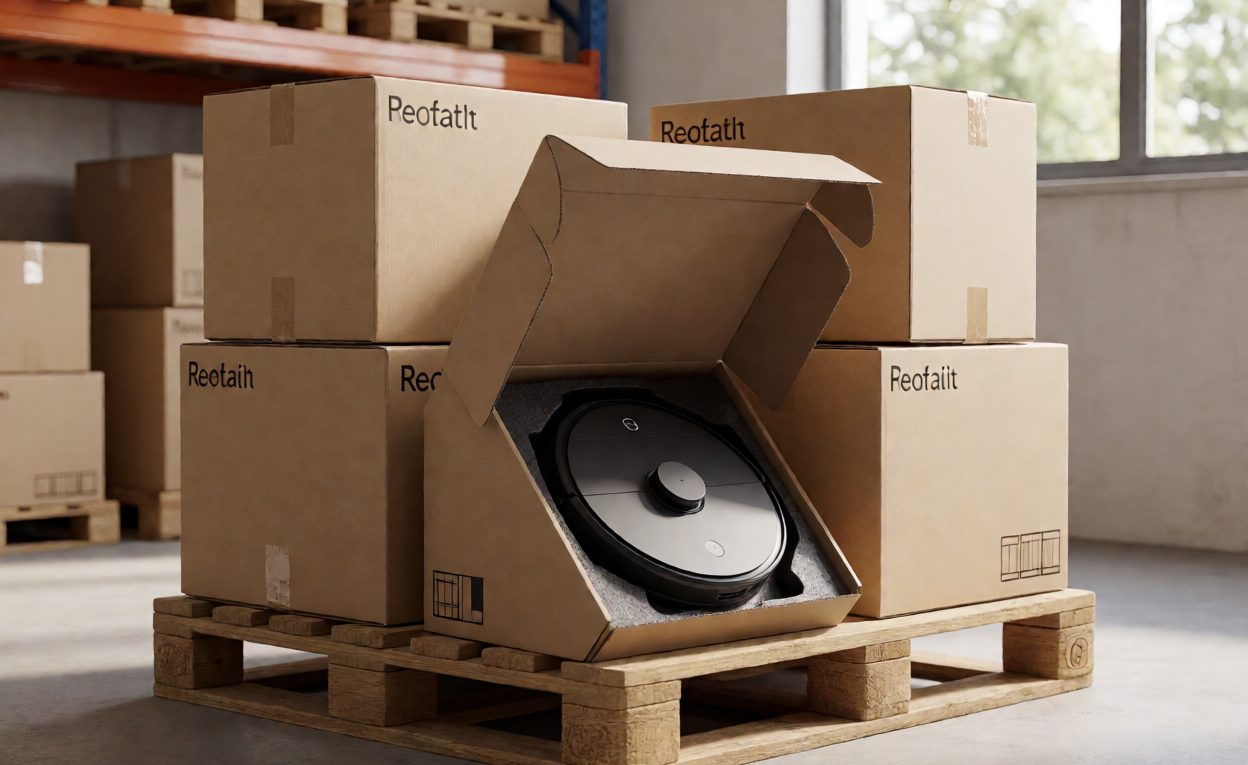
Certifications, Pilots and the Launch Path
Electronics plus lithium batteries plus radios (Wi-Fi, often Bluetooth) is the most certification-dense combination in home goods: safety, EMC, radio and battery transport rules all apply, and requirements differ per market. Confirm which certificates the platform already holds and which your SKU must fund — the adapter and battery are the usual budget surprises.
Then pilot before bulk: 50 to 100 units into real homes for two to three weeks, measured on a simple scoreboard — completed cleans, dock returns, app crashes, support tickets. The pilot results, not the showroom demo, decide the launch. From there, the sample-to-shipment timeline applies with one addition: plan certification lead time into the calendar, because it runs parallel to production and can gate the launch alone.
What MOQ is typical for private label robot vacuums?
Platform-based private label commonly starts around 500 units; customized housings or app builds push toward 1,000-plus. Pilot quantities of 50-100 units are usually accepted and strongly recommended before bulk.
Can I use my own app with an OEM robot vacuum?
Usually yes at volume, via the platform maker’s SDK — but confirm cloud infrastructure costs per connected unit, the developer account arrangement and long-term firmware support. The standard shared app is the fallback, and it weakens brand separation.
Which navigation tier should a new brand choose?
LiDAR is the practical floor for brands wanting genuine “smart mapping” claims and 4-star-and-above reviews. Gyro-only platforms compete on price alone; AI obstacle avoidance is the premium tier where sensor costs must be priced honestly.
What battery details should I verify?
Cell supplier and cycle life, not just capacity. Ask for replacement battery availability and transport certifications. Runtime degradation is one of the top drivers of returns and negative reviews.
What certifications does a robot vacuum need?
Safety and EMC for the appliance, radio approvals for Wi-Fi/Bluetooth, battery transport rules, and plug/adapter approvals per market. Confirm which the platform already holds and which your SKU must fund, per destination market.
How should I run a pilot test for a private label robot?
Place 50-100 units in real homes for two to three weeks and track completed cleans, dock return success, app crashes and support tickets. The scoreboard from real floors — not the factory demo — decides the launch.
Why do robot vacuum returns happen most often?
Navigation disappointment, app problems and battery degradation lead the list. All three are testable in sampling and pilots, which is why this category punishes buyers who skip them.