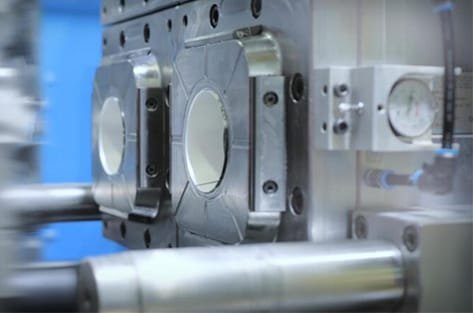
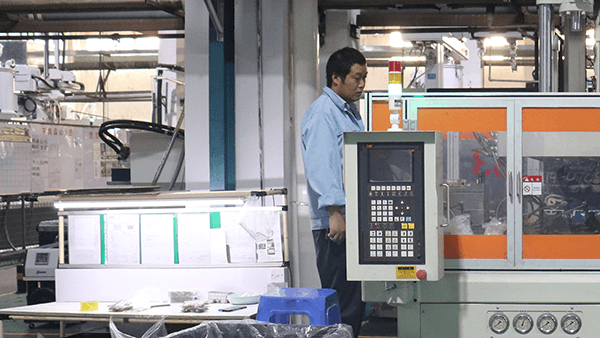
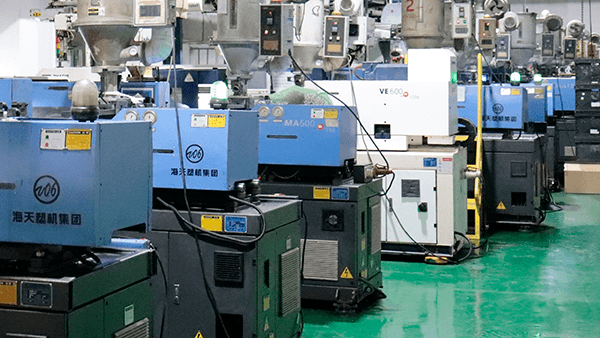
Plastic injection molding shapes thermoplastic parts by filling a mold with heated resin, cooling it and ejecting the finished part. “Molding” alone is not a complete process or quote specification: resin grade, part geometry, tool design, cavity layout, cooling and inspection all affect fit, finish, lead time and delivered cost. A useful sourcing brief connects each decision to the component’s function and production volume.
Define the part before tooling
Share current 3D CAD and 2D drawings, with functional dimensions and critical tolerances identified. Add the resin grade and color, operating temperature or chemical exposure, initial and annual quantities, surface finish, inserts or secondary operations, packaging and acceptance criteria. During design-for-manufacture review, align draft, wall transitions, gates, parting line, ejector marks and cosmetic limits.
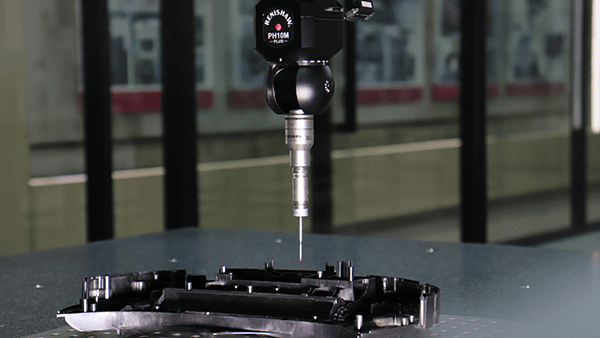
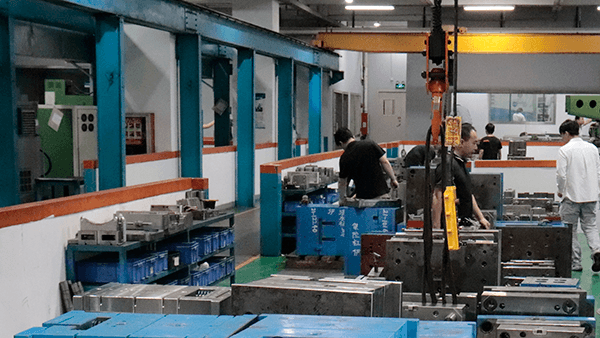
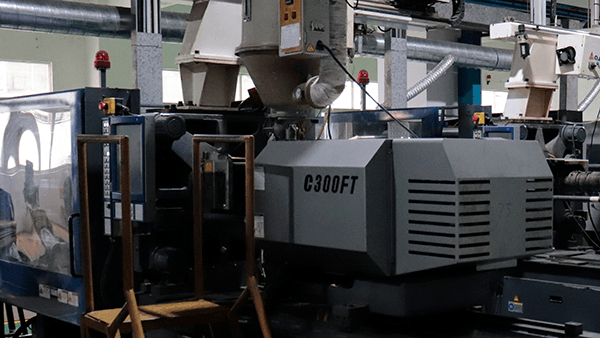
Ask each supplier to state assumptions for tool scope, ownership, maintenance, sample trials, inspection and quote validity; comparing like-for-like scopes is more useful than comparing unit price alone. Approve a representative sample against agreed measurements and appearance before repeat production. For a tooling transfer or redesign, document the drawing revision and tool condition—equipment lists by themselves do not establish fit for a specific part.
Questions buyers ask
Why can molding quotes differ? Resin, cavity count, tool construction, expected tool life, inspection scope and included services may vary. Request an itemized breakdown against the same part specification.
What should an RFQ include? A current drawing or CAD file, resin and color, volume forecast, tolerances, finish, assembly or packaging needs, acceptance plan and delivery destination.