




With the rapidly growing demand for injection-molded products, from flat-screen televisions to automotive dashboards, designers continuously push the boundaries of mold size and complexity. However, not all manufacturers possess the capability to produce large injection molds, primarily due to numerous entry barriers and processing challenges. Challenges of Large Injection Molds Handling the size and weight of large injection molds presents significant challenges. This entails additional labor input, the need for specialized tools, diverse equipment, and the potential for errors. Selecting an appropriate machining center for producing large injection molds can alleviate or avoid many of these issues, simplifying equipment setup and effectively addressing potential accuracy problems. 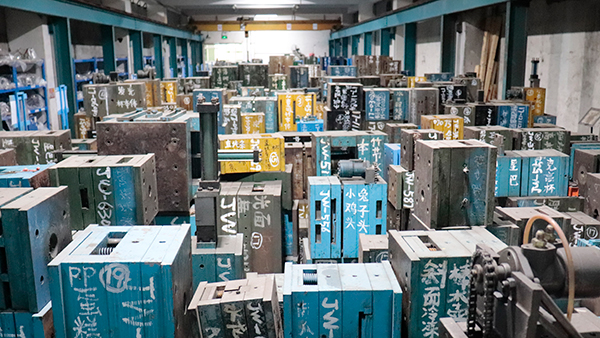 The primary cost of producing large injection molds comes from machinery. Machines capable of producing large molds are typically expensive, so having multifunctional equipment is key to entering this market. For example, machines that can perform both rough machining and polishing are essential. Once the right equipment is selected, it is possible to achieve both rough machining and polishing on the same machine while maintaining high precision. DAYIN Plastic Products Co., Ltd. specializes in home appliance mold manufacturing, providing OEM/ODM contract manufacturing services with a commitment to becoming a comprehensive manufacturing solution provider integrating R&D and production. Our proprietary products include robotic vacuum cleaners, plastic tableware, and electronic dartboards. With 30 years of mold development experience, a team of over 50 R&D staff, and more than 100 injection molding machines, we are dedicated to delivering high-quality manufacturing services to create greater value for our clients.
The Defect Map: Symptom, Cause, First Fix
Most processing issues repeat across factories and decades. Six account for the bulk of complaints:
| Symptom | Usual cause | First fix |
|---|---|---|
| Short shot | Fill pressure or melt temp too low; vent blocked | Step pressure up; clean vents |
| Flash | Clamp force insufficient; parting line worn | Raise clamp; check platens |
| Sink marks | Thick sections starved during holding | Core the thick area; extend holding |
| Warpage | Differential shrinkage from uneven cooling | Balance cooling channels |
| Burn marks | Trapped air ignited at fill front | Add venting; reduce fill speed |
| Weld lines | Flow fronts meet too cool | Raise melt temp; reposition gate |
Treat the table as a decision tree, not a list: read the symptom, test the cheapest cause first, change one parameter at a time. Shops that keep this discipline fix issues in hours; shops that “tune everything at once” chase ghosts for days. The structured version lives in the defect catalog, and the underlying process challenges in common challenges in plastic injection molding. Background: injection moulding and thermoplastics.
Build the Troubleshooting Log That Fixes Things
A defect log earns its keep in the second month. Three columns keep it honest: the symptom (with a photo, not an adjective), the parameter changed, and the result. The discipline that makes it work is changing one thing at a time — a log full of simultaneous adjustments is an opinion collection, not a record. Within weeks the log starts predicting: short shots that cluster after resin lot changes point to material moisture, flash that follows lot changes points to melt viscosity drift, and warpage that appears only on hot afternoons points to cooling water temperature. The log also becomes the evidence base for supplier conversations — a claim backed by ten dated entries moves faster than a phone call. Simple, boring, and the fastest route out of recurring defects most floors will ever have.