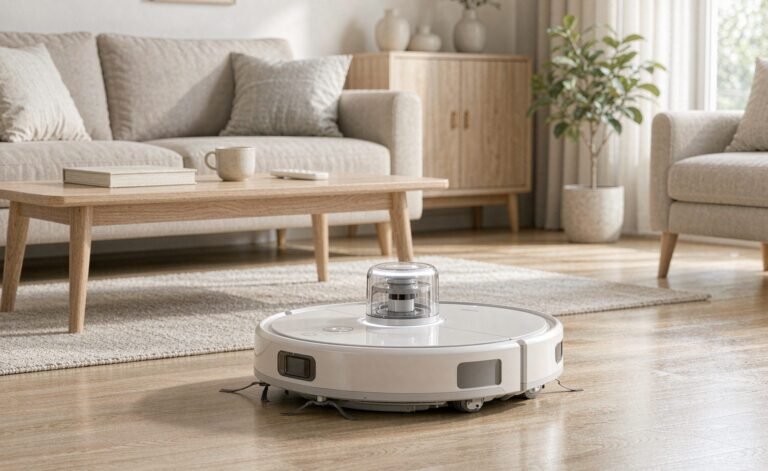
Vacuum-product comparisons are most useful when they describe a cleaning scenario rather than a single headline number. Floor type, debris, hair, room layout, dustbin design, filter maintenance and dock behavior all affect the customer’s experience.
Write the test around the expected home
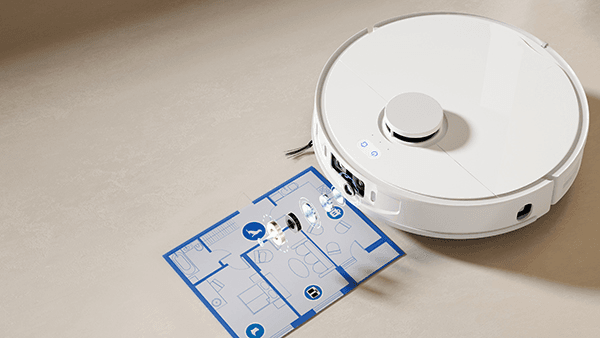
For a robot vacuum, define the floor surfaces, obstacle types, route, cleaning mode and repeatable debris used in the sample evaluation. Record how the model handles edges, transitions, hair pickup, recovery and routine cleaning of brushes or filters.
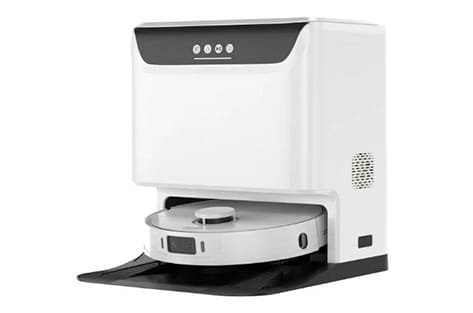
Capacity figures need context. A dustbin volume does not establish how long the product can run before emptying; that depends on the debris, household, cleaning schedule and any base-station functions. Compare the exact X-series model and its listed station configuration rather than treating every vacuum listing as identical.
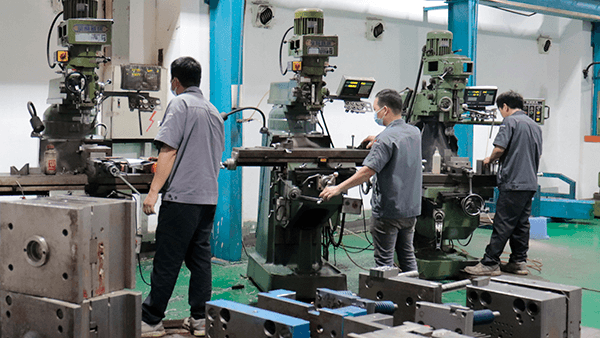
When requesting a quote, identify the product revision, target market, accessory set, packaging and required acceptance evidence. Confirm which consumables and service parts remain available for the intended sales period.
Does a larger dustbin always mean less maintenance? No. Real emptying frequency depends on the home, debris load and the model’s cleaning or dock design.