




In the process of contract manufacturing robotic vacuum cleaners, maintaining product quality is crucial. Below are key points that DAYIN recommends to help manufacturers uphold high standards of quality control during production.
- Material Selection: High-quality materials are fundamental to ensuring the performance and durability of robotic vacuum cleaners. It is essential to conduct strict audits of suppliers, reviewing the source, composition, and quality of the materials used to ensure they meet international standards.
- Production Process Control: The standardization of production processes directly impacts product quality. Manufacturers should establish detailed production workflows, ensuring that each step strictly follows standard operating procedures. Additionally, regular maintenance and calibration of production equipment are necessary to minimize quality issues caused by equipment malfunctions.
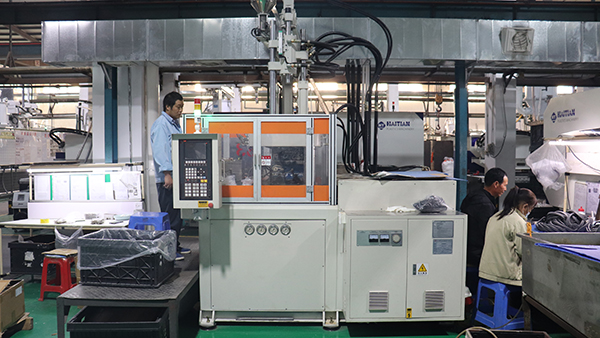
- Quality Inspection: Implementing multi-level quality inspections during the production process is essential. This includes raw material inspection, sampling checks during production, and final testing before products leave the factory. By establishing a comprehensive quality management system, manufacturers can ensure that each robotic vacuum cleaner meets the expected performance standards.
- Employee Training: The skills and professionalism of employees directly affect product quality. Therefore, regular training should be conducted to improve their technical skills and quality awareness, ensuring that each employee maintains strict quality control in their role.
By following these measures, robotic vacuum cleaner manufacturers can effectively enhance product quality, improve market competitiveness, and provide customers with more reliable products and services. DAYIN Plastic Products Co., Ltd. is a high-tech enterprise committed to product research, design, manufacturing, and sales services, offering a one-stop manufacturing solution. Established in 1989, the company specializes in mold making, injection molding, post-processing, and electronic assembly. In addition to contract manufacturing, it also develops proprietary products available for private label production.
Quality Gates in Robotic Vacuum Manufacturing
Quality in robot vacuums is decided at gates, not at final inspection. The gates worth asking about:
| Gate | What it catches | Method behind it |
|---|---|---|
| Incoming motors and sensors | Batch variation before assembly | Sampling plans per component class |
| Post-assembly function | Navigation and suction basics | Automated test rigs at rate |
| Run-in and acoustics | Bearing noise, intermittent faults | Hours of powered soak per lot |
| Pre-ship audit | Packaging, firmware, cosmetics | AQL audit by fresh eyes |
The run-in gate is the one buyers forget and the one that saves launches. Intermittent faults — a motor bearing that sings only after forty minutes, a sensor that drops out in humidity — are invisible at final test and ruinous in the field, and only time-under-power catches them. The acoustics gate doubles as brand protection: buyers of premium robots judge by ear before they judge by suction, and a factory that measures sound power per unit has a number to defend. Asking a prospective manufacturer which gates they run, at what sampling rates, and where the data goes converts a quality conversation from assurance into architecture. The supplier-side view is in how suppliers ensure quality, and the end-user angle in are manufacturer robots easy to use. Reference: quality control and domestic robotics.