




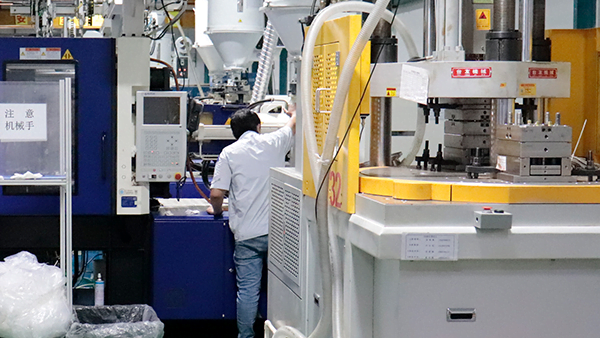
Injection mold materials used in plastic injection factories must possess a range of properties, as the widespread use of plastic products relies on the support of precision molds. These molds operate in complex and variable environments, imposing strict requirements on the materials. Below are the key properties that plastic injection mold materials should have:
- Good High-Temperature Stability: Since molds often work in high-temperature environments, materials must have high temper resistance to maintain hardness and strength under heat, effectively resisting thermal softening and early wear, thus extending the mold’s lifespan.
- Excellent Thermal Fatigue Resistance: For molds subjected to frequent heating and cooling cycles, materials need strong thermal fatigue resistance to withstand the stress changes caused by these cycles, preventing surface cracking and peeling. This ensures dimensional accuracy and reduces the risk of mold failure due to thermal fatigue.
- Superior Corrosion Resistance: Given that plastic raw materials may contain corrosive elements like chlorine and fluorine, mold materials must offer excellent corrosion resistance. This protects the mold cavity surface from corrosive gases produced during heating, maintaining smoothness and precision, and ensuring long-term production stability.
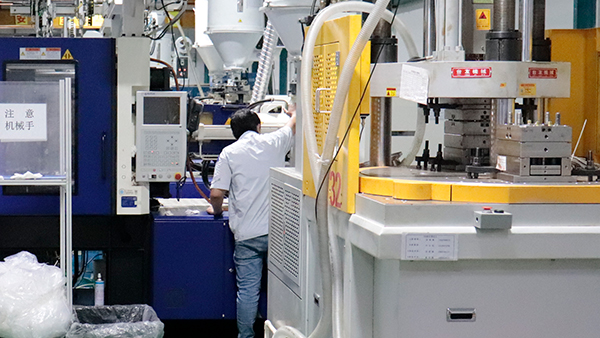
- Strong Wear Resistance: During the injection molding process, the mold must endure the flow and sliding friction caused by the plastic deformation of the material inside the cavity. Therefore, the mold material must have excellent wear resistance. High hardness is a key factor in improving wear resistance. Additionally, the type, quantity, shape, size, and distribution of carbides in the material play an important role in determining the mold’s ability to resist wear and maintain precision.
DAYIN Plastic Products Co., Ltd. specializes in manufacturing home appliance molds and offers OEM/ODM services. As a manufacturing solution provider, the company integrates R&D and production services. Its proprietary products include robotic vacuum cleaners, plastic tableware, and electronic dartboards.
Mold Steels: Reading the Property Sheet Like a Buyer
Mold steel property sheets are written for metallurgists. The buyer’s reading guide:
| Property | What it means for the tool | The question to ask |
|---|---|---|
| Hardness (HRC) | Wear resistance at gates and slides | Hardened where, verified how? |
| Corrosion resistance | Tolerance of PVC and humid storage | Which resins has this grade run? |
| Polishability | Ceiling of cosmetic finish | Witness coupon at target grade? |
| Machinability | Lead time and repair cost | Deep-rib machining experience? |
The polishability row is where buyer questions earn their keep: two steels with identical hardness polish differently, and the witness coupon — a small piece of the actual steel brought to the target finish — closes the gap between catalogue and cavity before the tool exists. The corrosion row prices itself in downtime: resins that release corrosive byproducts, and warehouses that store tools through humid summers, turn unprotected steel into maintenance schedules. The machinability row affects repair economics, since the tool that machines easily is also the tool that adds a slider cheaply when the product changes. Steel chosen with these four questions in mind matches the tool to the program’s real life — not to the cheapest quote, and not to the most impressive brochure. The processing that follows steel choice is in custom mold manufacturing process map, and the structural consequence in custom mold structure. Reference: tool steel grades and hardness measurement.