




Injection Molding of Transparent Parts in Home Appliance Molds Injection molding of transparent parts in home appliance molds presents significant challenges due to the high quality standards required. It is essential to avoid defects such as black spots, streaks, air bubbles, and discoloration. To achieve this, strict control is necessary during the design and molding process, including ensuring uniform wall thickness, sufficient draft angles, and smooth transitions at corners. Below are key considerations for injection molding of transparent plastic parts:
- Selecting the Right Plastic Material: Choose plastic materials with appropriate characteristics and suitable for the intended environment, ensuring that the performance meets the product’s requirements.
- Controlling Processing Temperature: Adjust the processing temperature according to the selected plastic’s properties to avoid issues like melting deformation or hardening that could complicate the molding process.
- Optimizing the Cooling Process: Manage cooling speed to prevent deformation or cracking caused by internal stress. Proper control of mold temperature is crucial for maintaining product quality.
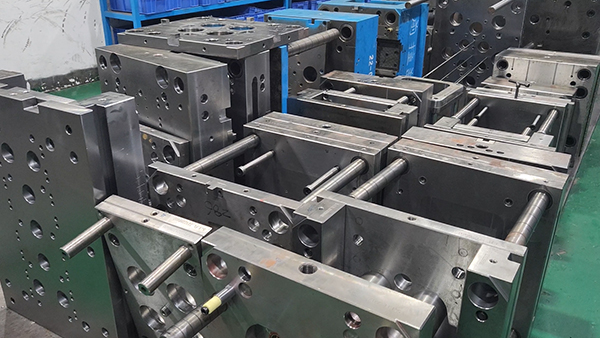 Maintaining a Clean Work Environment: Ensure a clean processing environment to prevent contaminants from entering the plastic, which could affect the quality of the final product. Conducting Quality Inspections: After processing, perform a thorough quality inspection of the transparent plastic parts to ensure dimensional accuracy, appearance, and performance meet the required standards. By following these precautions, you can effectively improve the quality of transparent part injection molding and reduce the difficulty of mold opening. DAYIN Plastic Products Co., Ltd. has been specializing in mold manufacturing for 30 years. As a contract manufacturer providing injection molding and mold opening services, we offer comprehensive OEM/ODM solutions. We excel in optimizing product structures to reduce mold opening and injection molding costs. With a complete product design and manufacturing team, we provide excellent product design services. We have extensive mold processing equipment and years of mold-making experience, offering a wide range of plastic product manufacturing services to our clients. Our 50,000-square-meter production base, 30 years of mold development experience, over 50 R&D personnel, and more than 100 injection molding machines make us a leader in the industry.
Transparent Parts: The Hardest Cosmetics in the House
Transparent appliance parts grade every discipline in the factory at once. The discipline stack:
| Discipline | What transparency demands | Where it shows |
|---|---|---|
| Resin handling | Perfect drying, clean transfer | Yellowing, haze |
| Mold polish | Mirror both sides | Diffusion under light |
| Contamination control | Zoning beyond cosmetic parts | Black specks at 10x visibility |
| Gate design | Vestige placement in structure | Visible optics at the gate |
The contamination row tightens an order of magnitude on transparent parts: a speck that hides in a coloured housing headlines a clear lens, which is why transparent programs justify their own zoning and their own housekeeping audit — the earlier contamination discussion, escalated. The gate row is where optics meet structure: the vestige must live somewhere, and on a transparent part that somewhere is chosen by light, not by convenience, often trading a longer flow path for an invisible gate. Transparency also prices honesty into quotations, since scrap and rework rates run higher by design, and a supplier who quotes transparent parts at opaque-part economics is planning to discover the difference in your launch. The polish chain is in high-gloss manufacturing, and the contamination escalation in pollution control. Reference: optical clarity and polymer optics.