




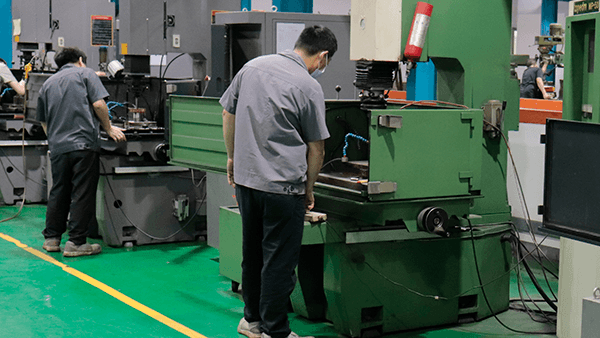
Chinese plastic factories use various processing methods in stainless steel mold manufacturing. Currently, stamping molds are primarily used for processing stainless steel molds, allowing for comprehensive processing with multiple materials. When it comes to deformation processing, achieving specific shapes and sizes is crucial, making ease of operation and production efficiency vital in stainless steel mold manufacturing. With the advancement of mechanization and automation, production processes will become more efficient. So, what exactly is the stainless steel mold processing flow? Material Preparation Before processing stainless steel molds, it is important to consider the material required for the mold. Selecting the appropriate mold material based on the product characteristics is critical. Different types of molds require different materials for the upper and lower plates or workpieces, including stripper plates, electrical plates, and base plates. Material preparation is a key step. Rough Processing After selecting the material, the process moves to the rough processing stage. A milling machine is used for the preliminary processing of all surfaces and sides. This process usually involves various materials and templates. The processing of the cover and other stripper plates will vary as well. 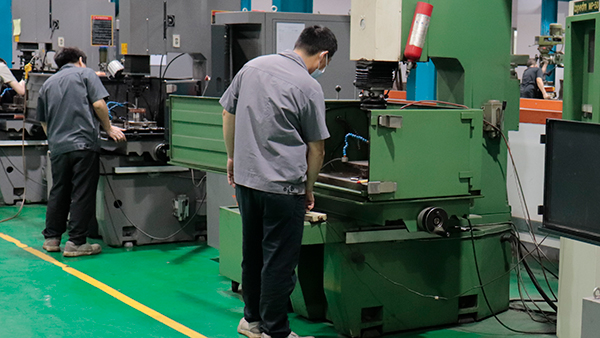 Fine Processing After rough processing is completed, fine processing takes place. A grinding machine is used for precise surface finishing, while dealing with fixture plates and other components. Continuous grinding is required during the process to ensure perfect right angles, and to achieve the desired flatness of the base plate and upper and lower plates. DAYIN Plastic Products Co., Ltd. is a high-tech enterprise specializing in product R&D, design, manufacturing, and sales services, providing one-stop solutions. Since its establishment in 1989, the company has accumulated rich experience in mold making, injection molding, post-processing, and electronic assembly. In addition to offering contract manufacturing services, the company also develops proprietary products for clients’ private labeling. With a 50,000 square meter production base, 30 years of mold development experience, over 50 R&D personnel, and more than 100 injection molding machines, DAYIN is committed to providing high-quality manufacturing services for its customers.
Stainless Work in Plastic Factories: Why It Belongs There
Stainless processing inside plastic factories looks odd on an org chart and makes complete sense on the floor:
| Stainless item | Why the mold shop makes it | What it protects |
|---|---|---|
| Cooling manifolds and fittings | Water paths match tool geometry | Leak-free circuits at pressure |
| Ejector plates and sliding parts | Wear surfaces without lubricant migration | Clean parts, less grease in cavities |
| Chutes, trays, fixtures | Part contact surfaces that do not mark | Cosmetic faces from bench to box |
| Hopper and dryer contact parts | Corrosion-free material paths | Resin purity at the source |
The fixture row is where stainless earns its cosmetic keeps: painted or rusty contact surfaces transfer their character onto Class-A faces one bench at a time, and stainless trays remove the transfer entirely. The manifold row ties back to the cooling discussion — circuits built in-house, matched to the actual tool, verified at pressure before steel meets water, fail less than catalogue assemblies adapted with reducers. The hopper row closes the loop with contamination control: resin purity begins at the material’s first contact, and contact surfaces that corrode donate their oxides to every shot that follows. A plastics factory with competent stainless work is telling you something about its floor culture — it finishes what it specifies, in the material the specification demands. The factory-selection frame is in choosing a manufacturer, and the installation side in installation and adjustment. Reference: stainless properties and corrosion basics.