




In injection molding, a technical term known as “short shot” or “incomplete filling” refers to the phenomenon where the molten material fails to fully fill the mold cavity, particularly in thin-walled areas or at the end of the flow path. This occurs when the melt solidifies before completely filling the cavity, resulting in parts with missing material.
The primary cause of short shots is excessive flow resistance, which prevents the melt from flowing further. Factors influencing the flow length include wall thickness, mold temperature, injection pressure, melt temperature, and material composition. Improper handling of these factors can lead to short shots.
1. Improper Equipment Selection
The maximum injection volume of the machine must exceed the total weight of the molded part and sprue. Additionally, the total injection weight should not exceed 85% of the machine’s plasticizing capacity.
2. Insufficient Material Feeding
A common method to control material feeding is volumetric feeding. Uneven raw material granules or “bridging” at the bottom of the feed throat can cause feeding issues. Moreover, excessive feed throat temperature may hinder smooth material flow. Regular cleaning and cooling of the feed throat are necessary to ensure proper feeding.
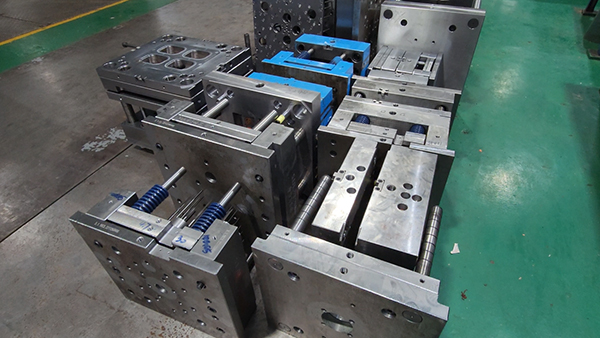
Poor material flow can make mold design a critical factor affecting short shots. To address this, the gating system should be optimized by setting proper gate locations, enlarging gate and runner dimensions, and using larger nozzles. Adding appropriate additives to the resin formula can also improve flowability. Additionally, the use of recycled materials should be monitored, and their ratio reduced if necessary.
Excessive Lubricant Usage
When excessive lubricant is added to the material, combined with wear gaps between the screw check ring and barrel, backflow of molten material may occur, causing insufficient feeding and short shots. To prevent this, the amount of lubricant should be reduced, and the gaps between the barrel, screw, and check ring adjusted or repaired as needed.
DAYIN Plastic Products Co., Ltd. has specialized in mold manufacturing for 30 years. As a professional OEM/ODM injection molding service provider, we offer one-stop solutions. Our expertise lies in optimizing product structures to reduce molding costs. With a complete product design and manufacturing team, advanced mold processing equipment, and extensive mold-making experience, we manufacture a wide range of plastic products. With a 50,000-square-meter production base, 30 years of mold development experience, over 50 R&D personnel, and more than 100 injection molding machines, we are committed to providing efficient and high-quality services to our clients.
Short-Shot Factors, Ranked by Frequency
Short shots have many causes, but they are not equally common. The frequency-ranked view:
| Rank | Factor | Typical share |
|---|---|---|
| 1 | Venting inadequacy | Blocked or undersized vents |
| 2 | Process window drift | Fill speed, switchover position |
| 3 | Material variation | Melt index, moisture, regrind ratio |
| 4 | Tool wear and cold slugs | Gates worn, channels cooled |
The ranking reshapes troubleshooting order, and it matches the diagnostic ladder from the feed side: the top two factors live in parameters and vents, reachable within minutes, while the bottom two require hardware attention that should wait its turn. Frequency also shifts by tool age — young tools short-shot on venting and process, mature tools add wear to the mix, and the ranking quietly reorders as the steel accumulates cycles. The material factor deserves its reputation as the disguised one: lot substitutions arrive unannounced through warehouses, and their melt-index shift presents at the press as a tool problem that no screw speed fully compensates. Shops that log their short-shot causes over a year produce this same table from their own data, and their own table beats any published one — the discipline of ranking is where the diagnosis speed comes from. The深圳 diagnostic ladder is in short-shot diagnostics, and the gate factor in gate position technique. Reference: molding defects and melt flow behaviour.