




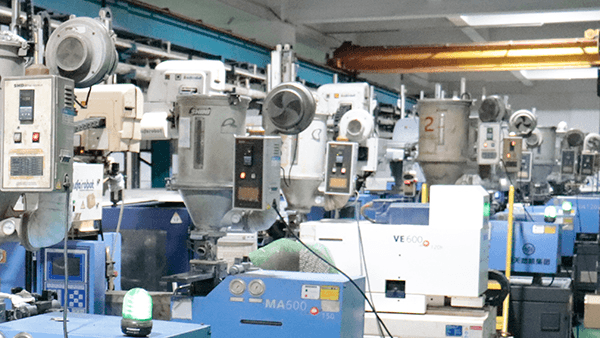
Once you have identified a potential injection molding supplier, send each candidate the same technical and commercial assumptions. A clear RFQ helps the manufacturer assess moldability, tooling and production scope. If the design is incomplete, identify the drawing revision and open questions instead of requesting a firm quote from a product photo alone.
What to include in an injection molding RFQ
| RFQ item | Information to provide | Useful clarification |
|---|---|---|
| CAD and drawings | 3D model, 2D drawing, units, revision and critical dimensions | Mark functional dimensions and identify features still under review |
| Material and appearance | Resin grade if known, color, fillers, texture and cosmetic requirements | State whether substitutions are acceptable and which require approval |
| Demand profile | Prototype or sample quantity, launch quantity, order size and annual forecast | Share a realistic range or ramp plan if volumes are not fixed |
| Secondary work | Inserts, machining, printing, assembly, testing and packaging | Provide mating-part or assembly information where relevant |
| Quality and market needs | Inspection criteria, required records and applicable product or market requirements | Identify which requirements apply to the part, material or supplier |
| Timing and delivery | Target sample and production dates, ship-to destination and requested delivery terms | Separate tooling, sampling and mass-production milestones |
Mark the dimensions that are critical to fit or function and explain why. Tolerances can affect process and tooling decisions, so ask the manufacturer to review them and recommend any design-for-manufacturing changes before tooling is finalized. Keep functional requirements clear rather than loosening them without engineering review.
Clarify machine and tooling assumptions
Provide the part design, material, expected volume and production constraints, then ask the manufacturer to confirm a suitable machine and mold plan. The response should state its assumptions for machine capacity, shot size, cavity count and tooling scope. The final machine match depends on the part and mold design, material and process; choosing equipment from part weight alone is not enough.
Also clarify tooling price, sampling, modifications, maintenance, ownership and what is excluded from the quotation. Ask the supplier to flag any information it had to assume.
Request a comparable quotation
- Separate tooling, samples and production unit prices, with the quantity breaks and material assumptions shown.
- List finishing, assembly, inspection, packaging and other secondary operations included in the price.
- State expected lead times, capacity assumptions, delivery terms, quote validity and payment terms.
- Identify exclusions, buyer-supplied items and any open design or compliance questions.
Compare quotations against the same scope and assumptions, not just the unit price. Ask suppliers to explain differences in tooling, material, inspection or delivery scope before selecting a candidate.
Continue supplier evaluation
Use the RFQ response to identify questions for a technical review, sample plan or factory audit. For manufacturing scope, review the custom plastic injection molding services offered by DAYIN. For help finding and checking a supplier’s contact details and manufacturing capability, see how to find injection molding manufacturer contacts. If you are preparing a project for DAYIN, send the available drawings and requirements through Contact Us.