




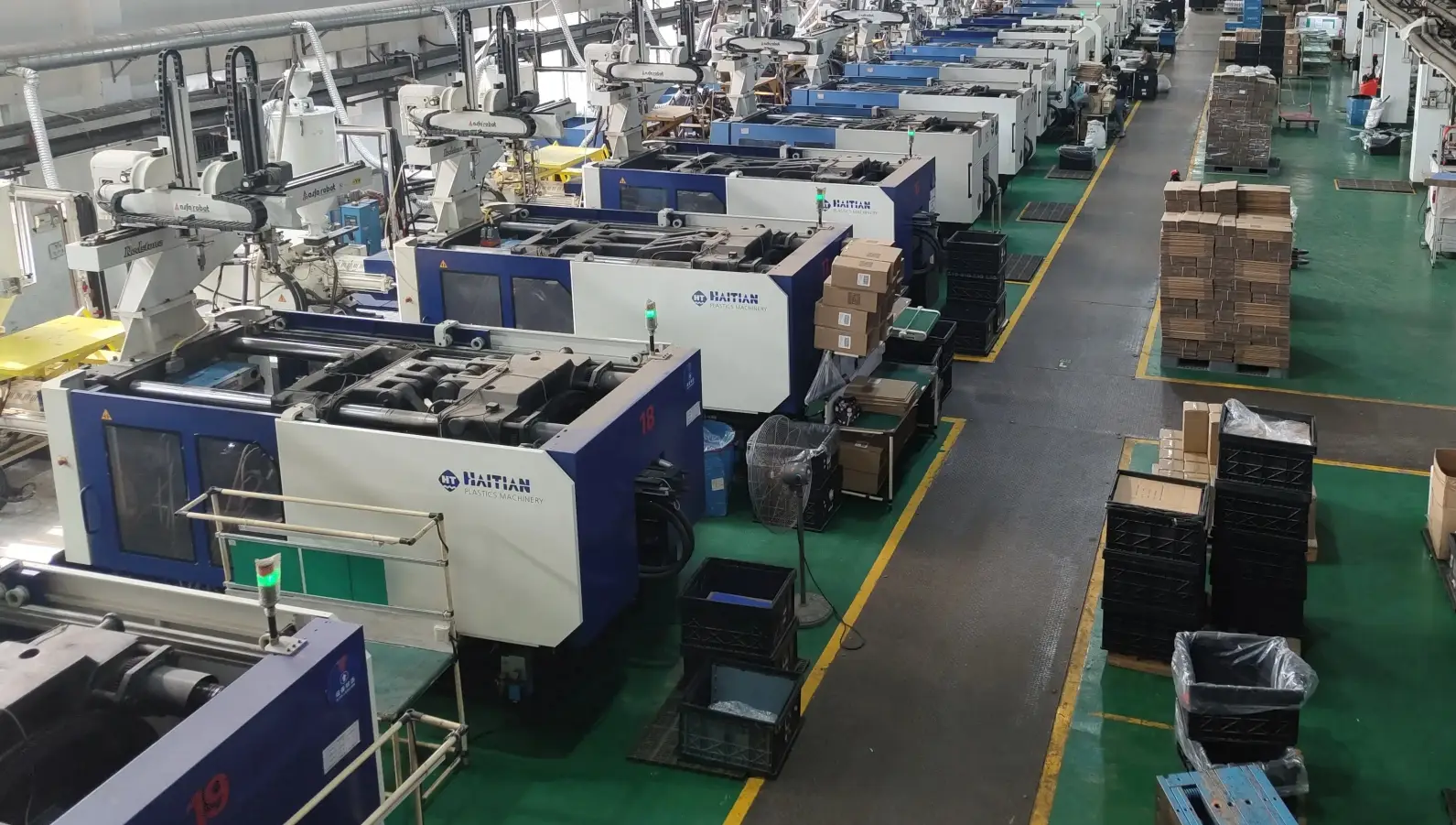
In the plastic injection molding process, the molding quality of plastic products is a key indicator of product quality. When the molding results are unsatisfactory, many manufacturers often wonder: is the issue rooted in mold design or the injection molding process itself? DAYIN Plastics’ team will explore this in depth and provide some practical solutions.
- Impact of Mold Design
The mold is the core tool in the injection molding process, and its design directly affects the molding results. If the mold design is flawed, it may lead to issues such as bubbles, warping, and dimensional instability. For example, an improperly designed cooling system can cause uneven material cooling, which affects the product’s appearance and performance. Therefore, a well-designed mold is the first crucial step to ensuring optimal molding results. - Adjustment of Injection Molding Process
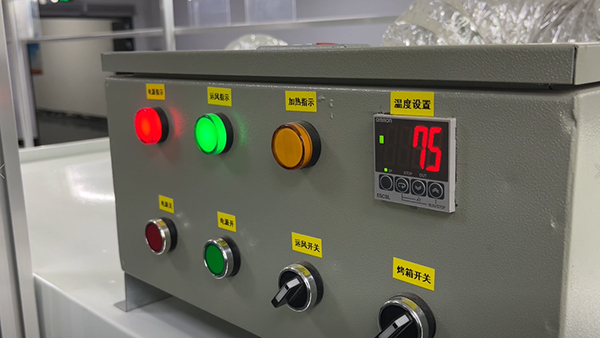
The injection molding process involves various aspects, including temperature control, pressure settings, and injection speed. These factors can significantly impact the molding outcome. For instance, an excessively fast injection speed might cause bubbles within the material, while improper temperature control could lead to thermal degradation, affecting the product’s color and strength. Thus, by adjusting the injection molding process parameters, the molding quality can be effectively improved.
- Importance of Material Selection
Choosing the right material is crucial for injection molding. Different plastic materials have varying physical and chemical properties that directly affect the molding outcome. If the material selection is inappropriate, even with a well-designed mold and optimized injection molding process, the final product quality may still fail to meet the expected standards.
DAYIN Plastics Co., Ltd. is a high-tech enterprise dedicated to product research and development, manufacturing, and sales services, offering one-stop manufacturing solutions. Established in 1989, the company specializes in mold making, injection molding, post-processing, and electronic assembly. In addition to OEM services, they also develop their own products for customers to directly customize and brand. The company has a 50,000 square meter production base, 30 years of mold development experience, over 50 R&D personnel, and more than 100 injection molding machines.
Poor Molding Results: The Cause Ladder
Poor molding results respond to a cause ladder, climbed in order of cost:
| Rung | Cause domain | Why it comes first |
|---|---|---|
| Material state | Moisture, contamination, lot drift | Changes without touching anything |
| Process window | Temperatures, speeds, profiles | Adjustable in minutes |
| Machine health | Wear, drift, hydraulics | Real but slow-moving |
| Tool condition | Wear, vents, waterways | Expensive — climb here last |
The material rung earns its top position by mobility: resin lots change in warehouses, humidity changes with weather, and neither sends a memo to the press — yet both present at the machine as molding problems. The process rung rewards the shops that keep documented recipes: a window that drifted from its documented setting restores in minutes against one remembered by feel, which is the setup-sheet discipline paying its weekly dividend. The machine and tool rungs are real causes with expensive visits, and the ladder’s entire economics rest on reaching them only after the cheaper rungs have been honestly cleared. Poor results that resist the ladder’s first three rungs are genuinely tool problems — and the ladder has just saved a week of steel-polishing that the material state would have quietly refunded. The frequency-ranked challenge view is in common challenges ranked, and the short-shot ladder in short-shot factors. Reference: defect causation and troubleshooting discipline.