




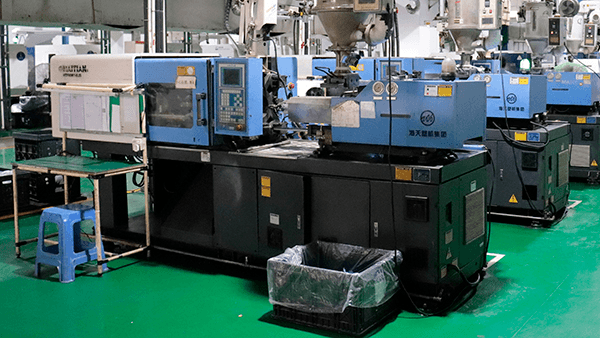
Choosing a plastic mold supplier in China should start with the project requirements, not a blanket claim that one country or factory type is always faster, cheaper, or better. Supplier fit depends on the part, mold design, required evidence, communication, commercial terms, and the support needed after the tool is accepted.
1. Compare suppliers against the same technical scope
Send the same controlled CAD model, drawing revision, resin, expected production range, finish requirements, inspection criteria, and destination to each supplier. Ask each to identify assumptions, exclusions, unresolved questions, and proposed tooling scope. Quotes are difficult to compare when one includes sampling, standard components, spare parts, or shipping and another does not.
2. Verify project evidence
Review relevant examples of tool design, molded parts, inspection records, change control, and production handover. Ask who will handle design review, mold construction, sampling, and issue escalation. Verify evidence for the specific process and part type under consideration; general company descriptions do not establish experience with every application.
3. Agree on tool ownership and support
Put tool ownership, permitted use, storage, maintenance, repair approval, movement to another supplier, and access to tool drawings or data in the project agreement. Define what inspection and sample records will be provided at acceptance and who is responsible for future changes.
4. Compare total landed cost and schedule assumptions
Compare the same quotation scope, including tooling, sampling, approved changes, packaging, freight, insurance, duties or taxes where applicable, travel, and ongoing maintenance. These items depend on the destination, contract, and current logistics conditions; do not rely on a generic country-level cost advantage or an outdated tariff estimate. Ask suppliers to separate one-time tooling cost from recurring part price and state the assumptions behind each schedule.
5. Plan communication and risk controls
- Choose one revision-controlled source for drawings, specifications, and approvals.
- Agree on response owners, meeting records, decision deadlines, and escalation contacts.
- Identify risks tied to materials, critical dimensions, quality evidence, shipping, and tool transfer.
- Define how the supplier will report schedule changes, nonconformances, and requested design changes.
For a technical supplier qualification checklist, see DAYIN’s guide to evaluating a tooling manufacturer. For project scope and manufacturing discussion, visit the custom plastic injection molding service or contact DAYIN.