



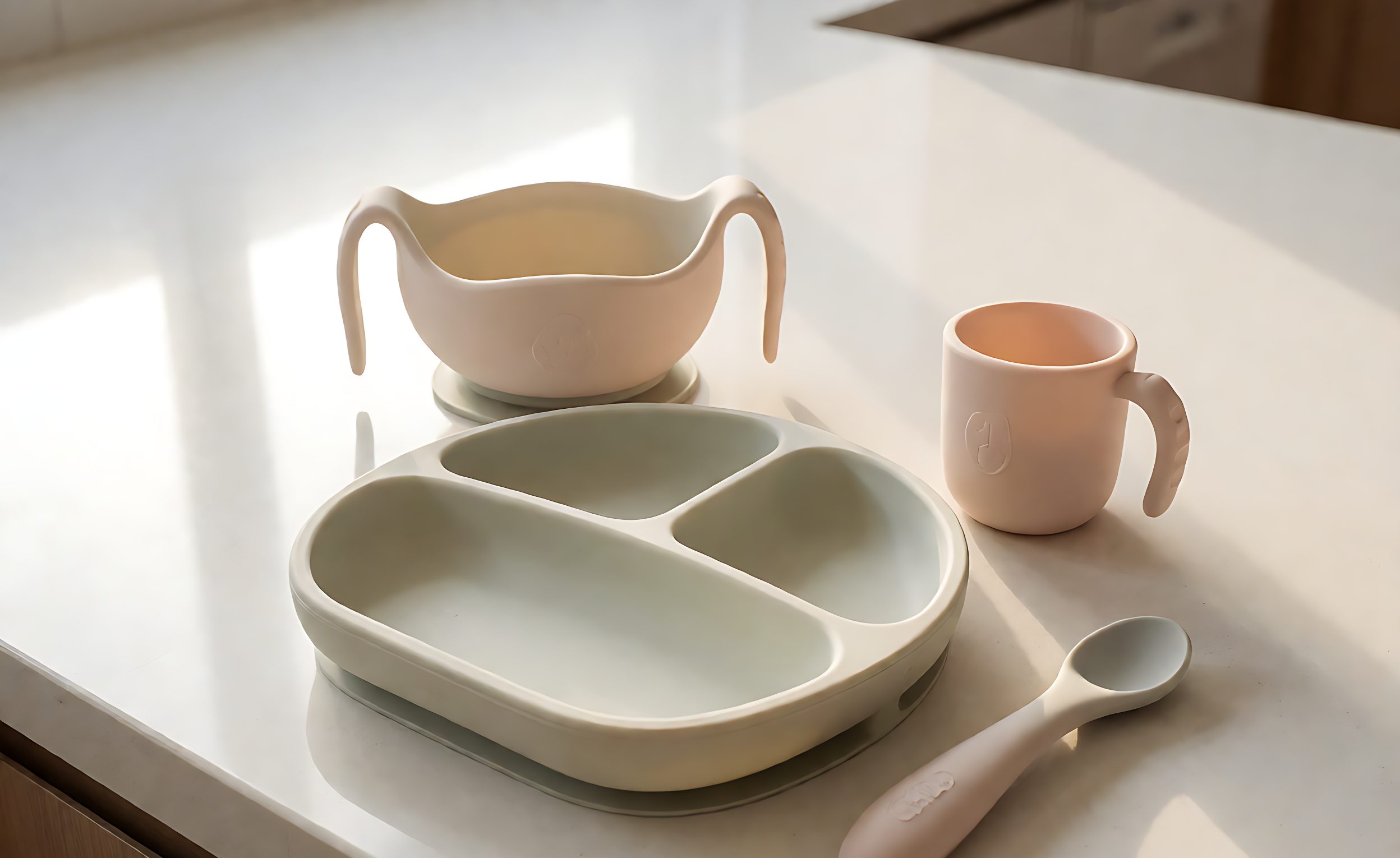
Silicone baby feeding sets are one of the fastest-moving programmes in housewares, and they are also one of the easiest to get wrong, because the customer buying them is not judging silicone by how it looks. Parents buy on trust: the material claim, the certifications behind it and the small design decisions that make a set usable with an actual toddler. For a buyer assembling a silicone feeding programme, the specification has to be written for that scrutiny.
The category also punishes vagueness. A set that says “food-grade silicone” without a certificate behind it is a returns and reputation risk; a set with the right grade but a suction base that releases on every second lift is a daily-use disappointment. Both failure modes are specifiable, and both are cheap to prevent on paper.
Silicone Grade: Platinum-Cured, and Why It Matters
Silicone elastomers come in two cure families. Peroxide-cured material is the older, cheaper route and can leave small amounts of cure by-products in the finished part. Platinum-cured material – the standard for food and infant contact – cures by addition with essentially no by-products, gives a clearer, less volatile part, and is what the food-contact regulations in major markets are written around in practice.
For a buyer, the line for the specification is simple: platinum-cured liquid silicone rubber, food-contact grade, with third-party test reports against the applicable food-contact regulations for every colour in the range. The last clause matters more than it looks – pigments change the formulation, and a report on clear silicone says nothing about the lilac one.
Certifications: What to Demand, and in What Form
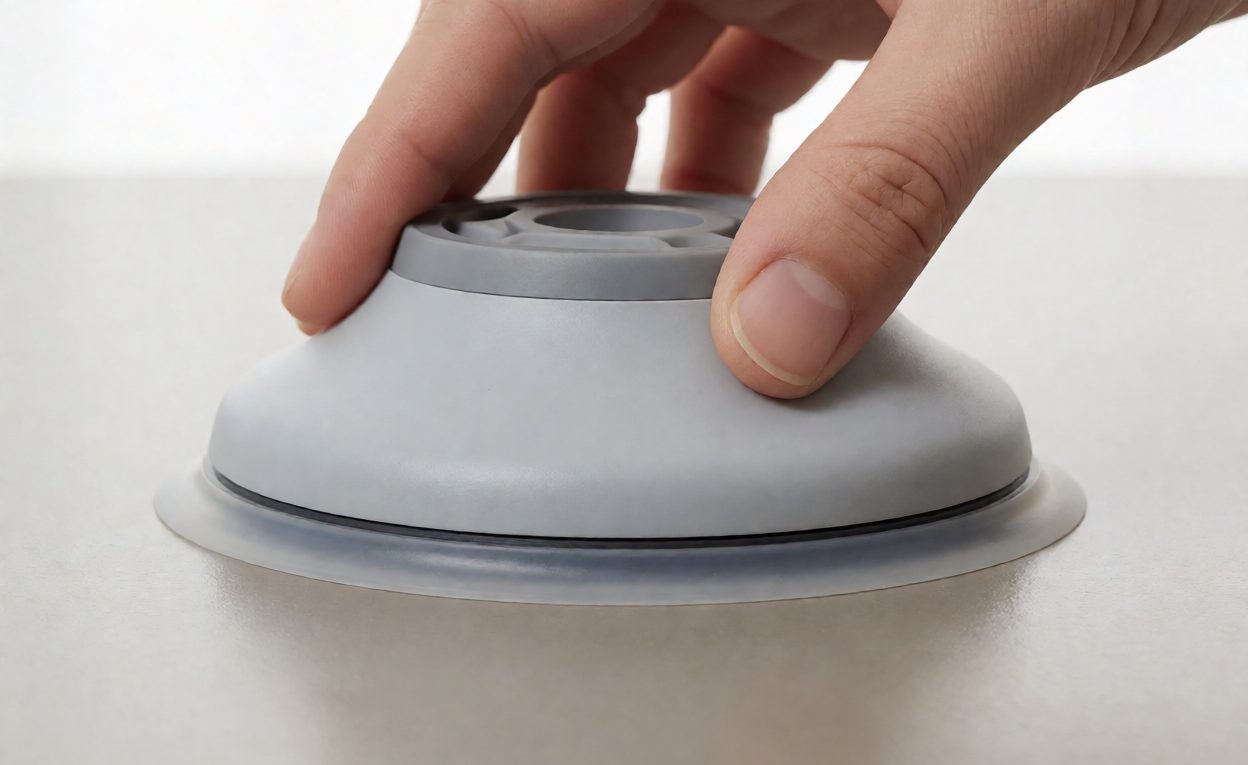
The two frameworks most retail customers recognise are the American food-contact regulation and the German food-contact law, the latter known for its stricter overall migration limits and its reputation among European buyers. A serious silicone feeding programme carries test reports against both, or against whichever applies to the destination market, plus the general toy-adjacent expectations parents apply: no BPA, no phthalates, no PVC in any component.
The form matters as much as the list. Demand reports with:
- The actual moulded part or its exact formulation, not a generic material family certificate.
- Every colourway covered, since pigment load is where formulations drift.
- Report numbers and a named laboratory, so the documents survive a retail customer’s compliance audit.
- Overall and specific migration results, not just a passing summary sentence.
This is the part of the programme worth over-documenting. The certificate file is the product in this category as much as the moulding is.
The Suction Base: Design, Not Just a Feature
The suction base is the reason many parents choose silicone over other materials, and it is the most common design failure. A base works when its lip is wide and flexible enough to expel air and seal against a smooth surface, and when the bowl wall above it is stiff enough that a toddler’s lifting grip cannot flex the base and break the seal. Thin walls, narrow lips and soft bases fail in exactly that order.
Specify the base by test: a defined pull force on a smooth glass surface after a set number of applications, and a durability cycle of repeated on-off applications without lip deformation. And be honest in the packaging copy – suction works on smooth surfaces, not on textured or wooden tables, and a claim that survives a real kitchen is a claim that survives reviews.
Temperature, Dishwasher and Steriliser Claims
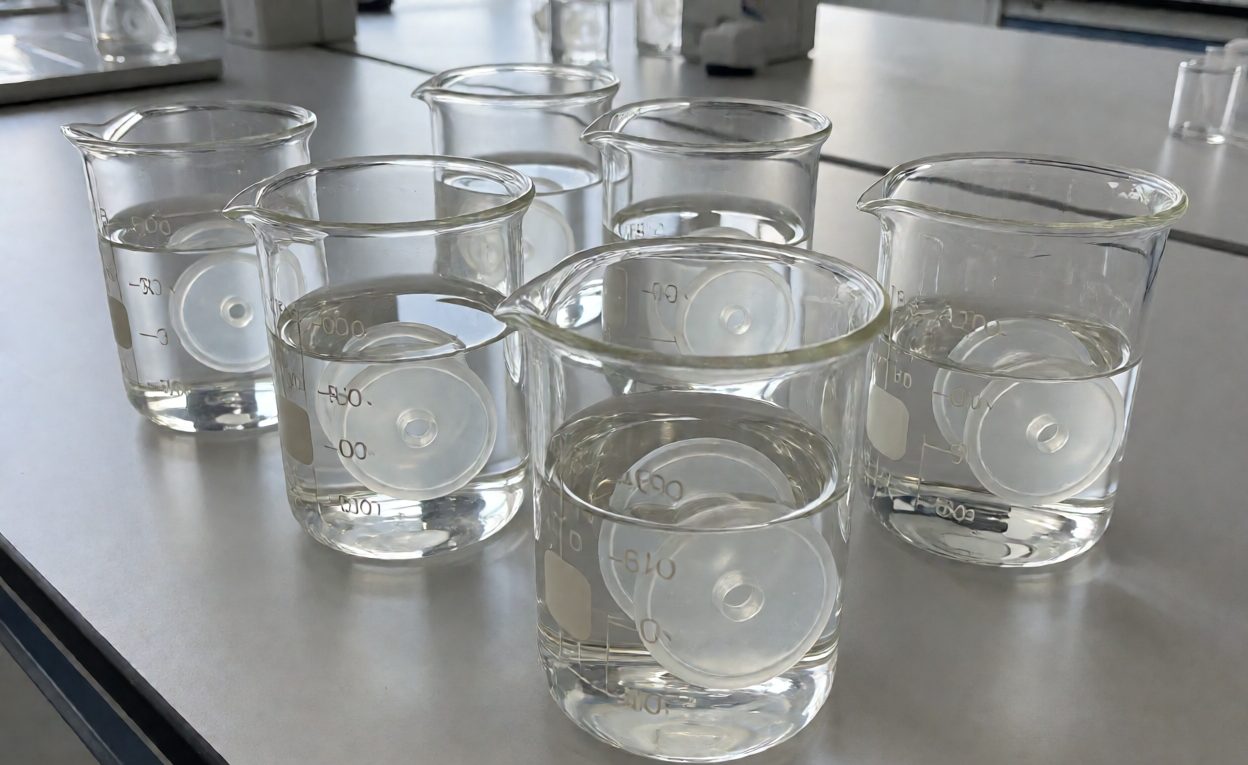
Quality silicone handles an enormous temperature range, which is why the honest claims are broad: dishwasher-safe, freezer-safe, microwave-safe and tolerant of boiling or steam sterilising. What the buyer should verify is not the silicone but the claims about the assembly. A bowl with a moulded-in decoration, a two-part spoon with a nylon core, a lid in a different elastomer – each component has its own temperature behaviour, and the packaging claim must follow the weakest part, not the strongest.
Ask for a dishwasher and steriliser test on the finished, decorated article, repeated over a realistic number of cycles. Silicone itself will pass; a printed mark or a dissimilar component is what fails, and it fails in the customer’s kitchen rather than in the sample room.
Set Composition and Age Banding
Sets sell better than single pieces in this category because parents are assembling a feeding station, not buying a bowl. A common core is a suction bowl or divided plate, a small open cup, and a spoon sized for a first grip, with bibs, lids and storage variants around it. The composition decision should follow an age band: first-foods sets for around six months and up skew toward bowls and soft spoons; toddler sets add cups with weighted bases and plates with divided sections.
Two composition details are worth locking early. Piece count drives the packaging format and the freight volume, and every additional component adds a material and certificate line. And a set that nests for storage photographs better, packs smaller and earns its shelf space twice.
What to Specify on the Order
- 材料: platinum-cured LSR, food-contact grade, per colourway reports against the destination market’s regulations.
- Free-from claims: BPA, phthalates and PVC, backed by the same reports.
- Suction base: defined pull force and cycle durability on smooth surfaces, tested on the finished part.
- Assembly claims: dishwasher, microwave, freezer and steriliser tolerance for the weakest component, verified by repeated-cycle testing.
- Age band: stated, with spoon stiffness and cup geometry matched to it.
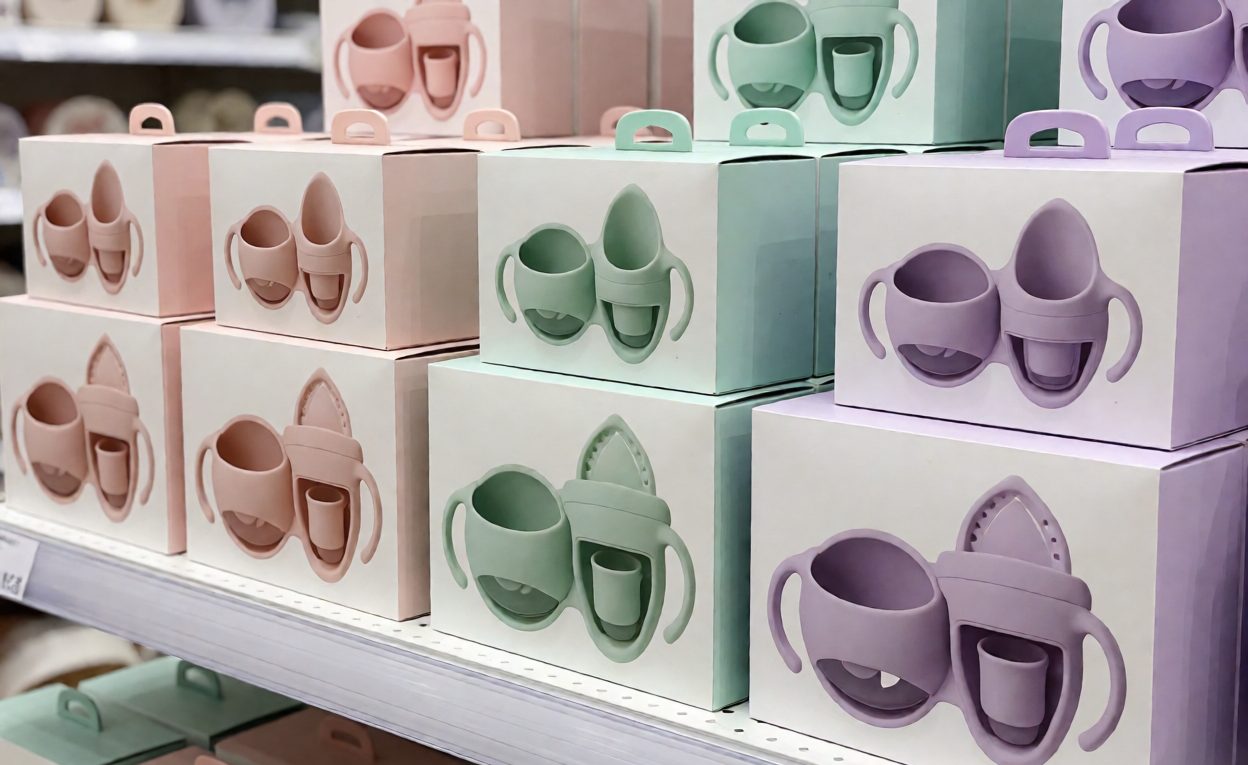
- Set list: exact pieces, nesting behaviour and packaging format agreed together.
Technical Background
The material is a silicone elastomer – a silicon-oxygen backbone with organic side groups – whose thermal stability and inertness make it unusually suitable for food contact. The mouldable form used for infant products is silicone rubber, typically liquid silicone rubber injection-moulded with a platinum cure system. The suction base is a practical application of the suction cup principle, where a flexible lip expels air to create a pressure difference holding the bowl to the table.
Related Buying Decisions
The certification layer of this programme overlaps heavily with the wider children’s tableware category, covered in the FDA and LFGB tableware sourcing guide, and the set-composition logic extends what is described in the children’s dinnerware composition guide. Where the range mixes silicone with other materials, the trade-offs are laid out in the melamine, PP and bamboo fibre comparison, and the retail-facing packaging layer – which this category is unusually sensitive to – is treated in the retail-ready packaging requirements.
經常問的問題
為何堅持使用鉑金硫化矽膠?
It cures without by-products, gives a cleaner food-contact part and is the grade the major food-contact frameworks expect in practice for infant products.
What certificates should a buyer receive?
Third-party food-contact reports for the exact formulation, per colourway, against the destination market’s regulations, with report numbers and a named lab.
Why do suction bases stop working?
Narrow or stiff lips, thin bases and bowl walls that flex under a toddler’s grip all break the seal; specify by pull-force and cycle testing instead.
Is silicone safe in the dishwasher and steriliser?
The silicone yes; the claim must follow the weakest component in the assembly, so test the finished, decorated article over repeated cycles.
What pieces should a first set include?
Typically a suction bowl or divided plate, a small open cup and a first-grip spoon, matched to the age band you are selling into.
Do colourways need separate testing?
Yes. Pigments change the formulation, so a report on clear silicone does not cover the coloured ones.
What is the most common packaging mistake?
Claiming temperature and cleaning tolerances beyond the weakest component, which turns a fine product into a complaint about false advertising.