



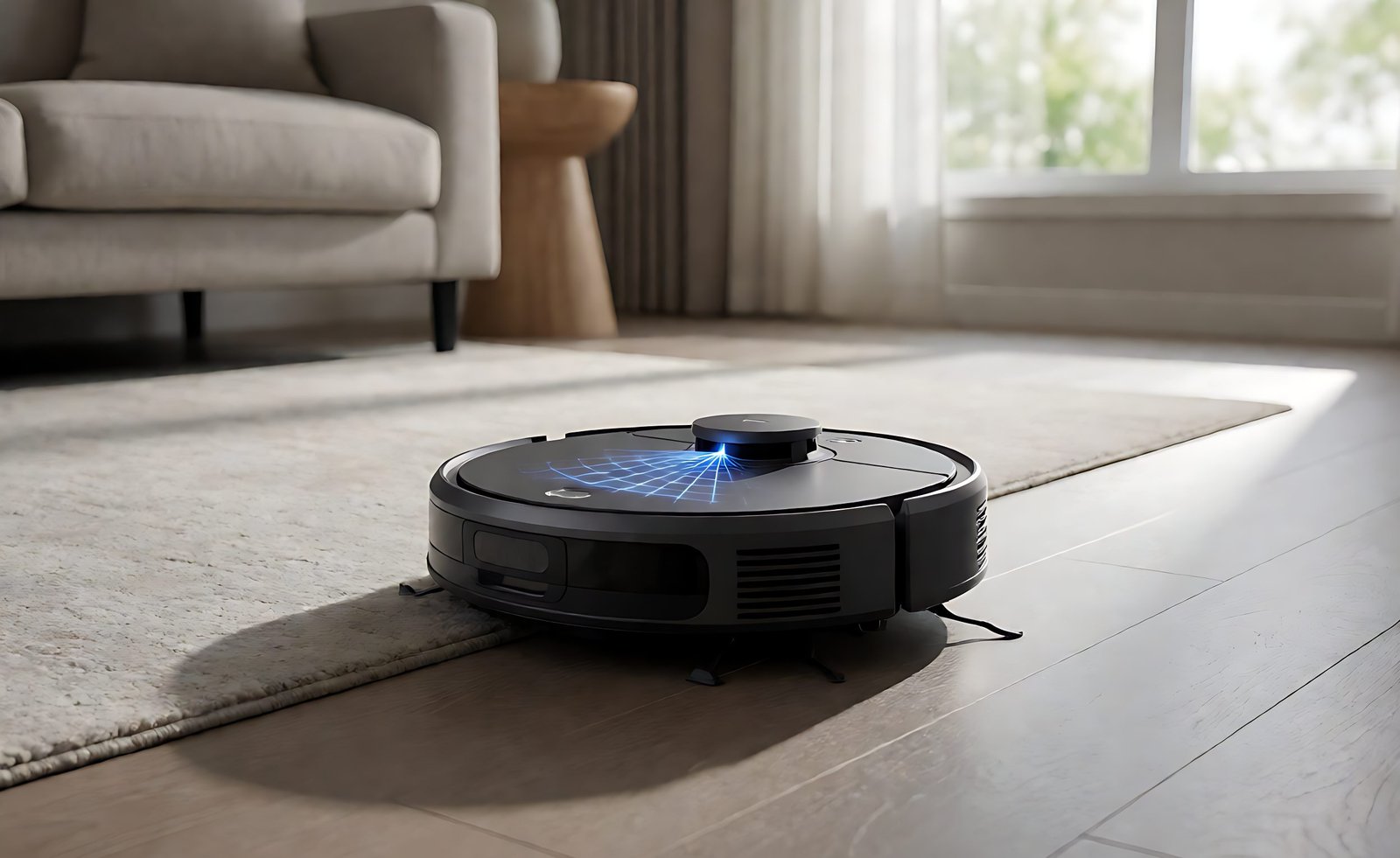
Robot vacuum mapping is a system outcome. For an OEM/ODM buyer, compare sensor inputs with firmware, compute, chassis design, connectivity and support scope. A component name alone does not show how a finished model performs.
Before approving a feature tier, define the target homes, mapping claims, test conditions and evidence required from production-equivalent samples. “Smart mapping” can refer to different combinations of sensing hardware and software, so the RFQ should identify the complete configuration.
Start with the Use Case and Buyer Claim
List the outcomes the product brief must verify, such as room coverage, map recovery after relocation, dock return and obstacle handling. For each outcome, define the test condition, expected result and evidence to retain; avoid relying on a sensor label or showroom demonstration alone.
Mapping behavior can depend on sensor inputs, localization, path planning, obstacle detection, firmware and home layout. Evaluate the full system in the conditions the product is intended to handle.
Navigation Inputs to Specify
Ask the supplier to identify the navigation hardware, firmware and software included in the quoted model. Common input categories to clarify include:
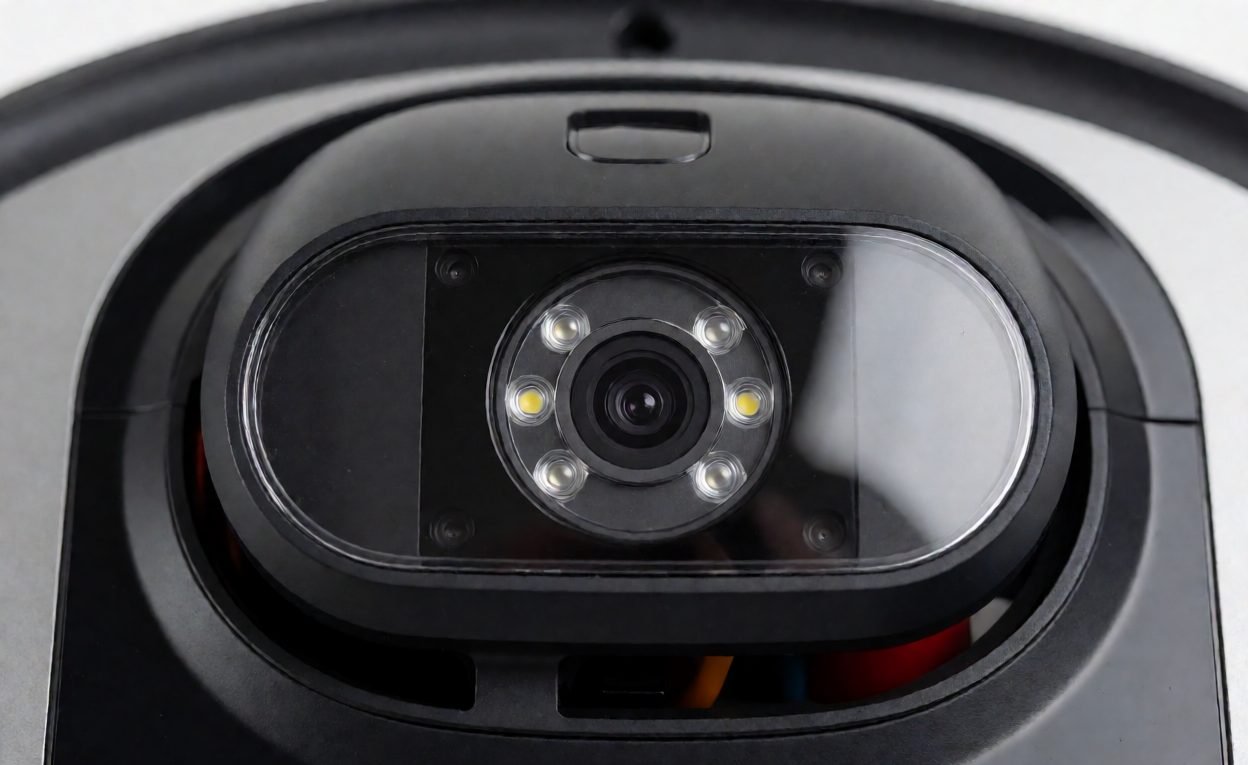
- Vision and illumination: identify the camera, illuminator or depth-sensing parts, field of view and software functions; define lighting, surface and obstacle conditions to test.
- Range finding: record the sensor type, placement and chassis integration requirements. Measure clearance on the production design and verify mapping behavior across target layouts and surfaces.
- Wheel and inertial inputs: list encoder and inertial components, their role in localization, and how the complete model recovers after movement or interruption.
- Sensor fusion and object recognition: identify each input and the included firmware features; state whether processing, connectivity or software services depend on local or cloud functions.
Performance depends on the complete hardware and software implementation and on test conditions. Compare production-equivalent units under the lighting, surfaces, objects and layout changes named in the product brief; do not infer behavior from sensor names alone.
What to Include in a Supplier Quote
Request pricing against a revision-controlled configuration and forecast. Ask the supplier to identify one-time engineering, per-unit hardware and any recurring services separately:
- Hardware and integration — list module part numbers, mounting changes, included components, approved alternatives and any service-life assumptions that require validation.
- Mechanical envelope — record production-unit dimensions and clearance requirements; include any chassis changes in the drawing and quote revision.
- Compute and memory — identify the controller, memory, included workloads and any configuration limits relevant to the stated features.
- Software and firmware — specify navigation, mapping, object-recognition and map-retention scope, versioning, license terms, integration work and update responsibilities.
- Verification and support — state sample tests, change control, warranty scope, spare parts and post-launch support separately from the sensor hardware.
When comparing alternatives, use the same target scenarios and acceptance criteria. Review how each configuration meets the brief, what implementation work is included, and which costs or support items are excluded.
Accuracy, Relocalisation and Recovery
For each production-equivalent configuration, verify position establishment and recovery, map storage and selection when multiple floors are in scope, and behavior after an interrupted or failed run. Define pass/fail criteria and record status messages and recovery results.
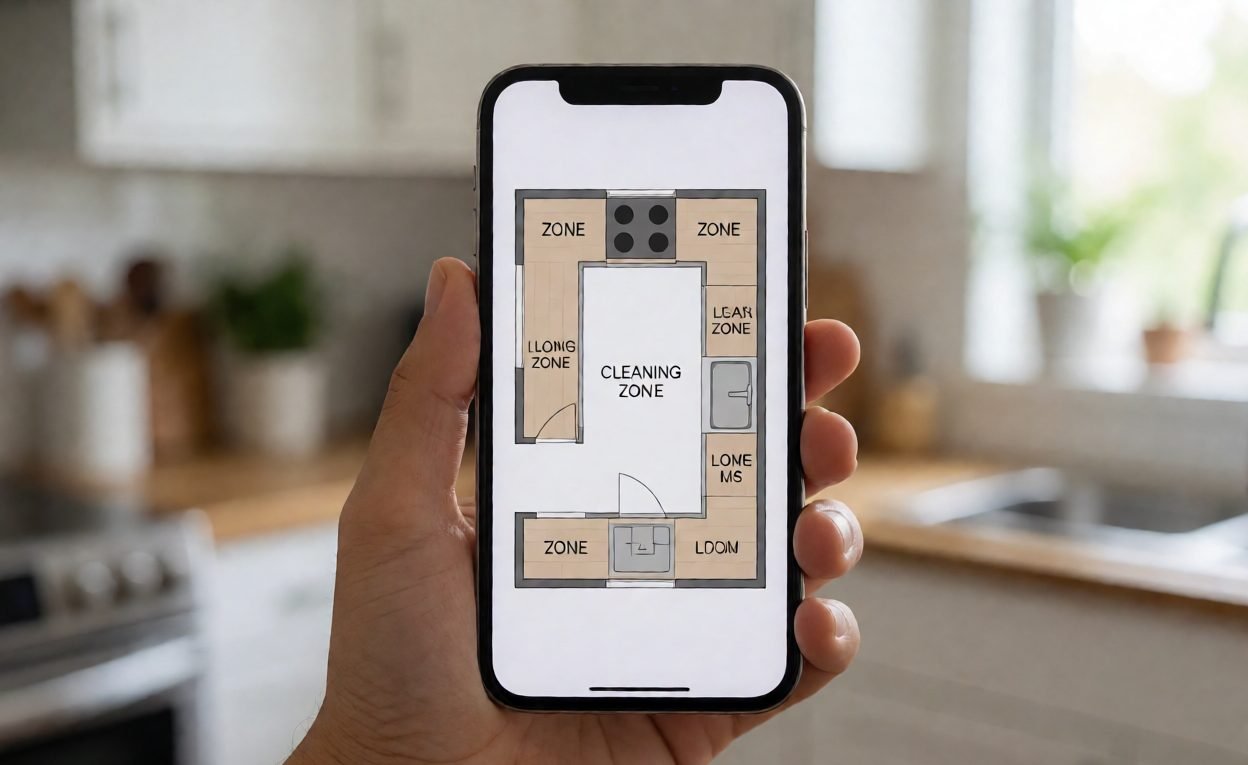
Build a scenario matrix from the product claims. Where relevant, include low-light operation, moved furniture, obstacles, relocation to another floor, dock recovery and interrupted runs. Use the same setup across samples and record run completion, map state, navigation behavior and user-visible messages.
Match the Configuration to the Product Brief
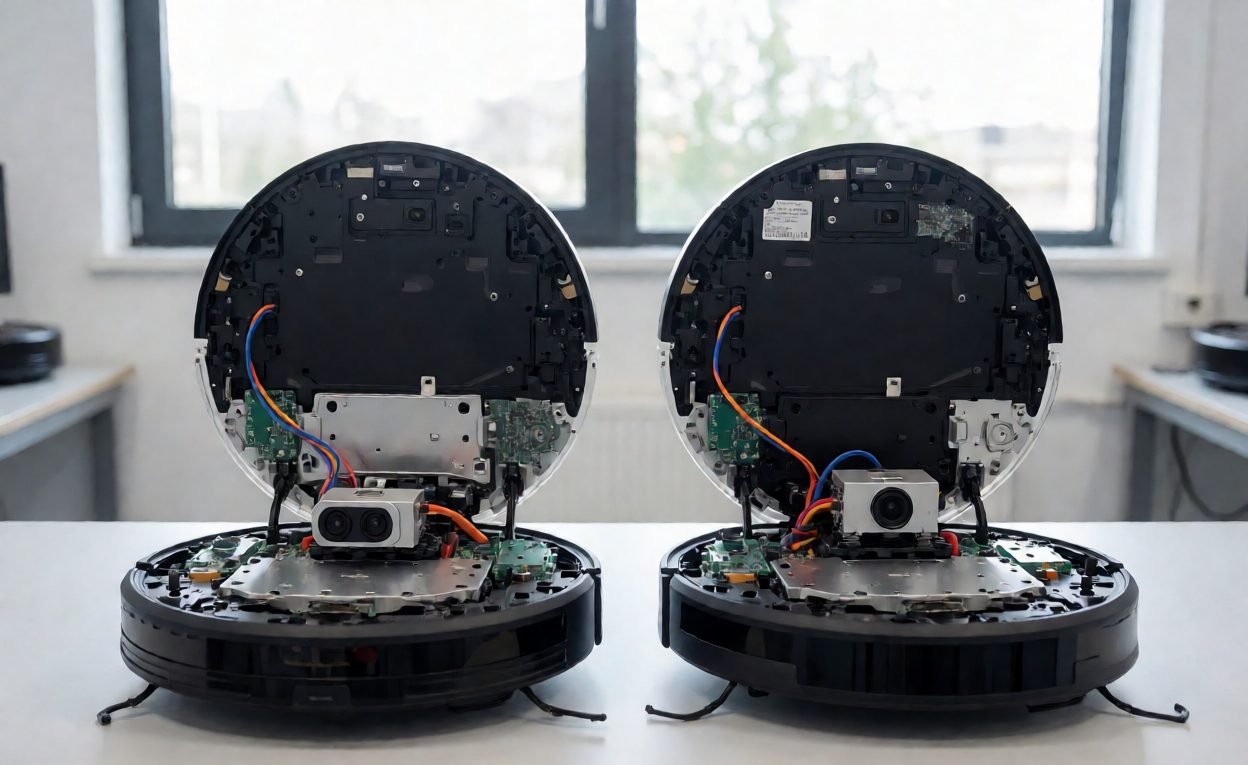
Map each requirement to the quoted hardware, firmware, software and support scope. Compare the complete configurations using the target application, requested map features, obstacles, lighting, service needs and price target; avoid assigning a capability from a sensor name alone.
Before approving an added feature, agree its acceptance criteria, implementation responsibilities, validation plan and support terms. Treat supplier changes to sensors, firmware or software as configuration changes that require review under the project plan.
Validate the Complete Navigation System
Mapping is an end-to-end outcome of sensors, localization, path planning, firmware, and home conditions. Specify the target scenarios and compare complete production-equivalent units rather than inferring behavior from a sensor label.
Where This Fits in the Robot Vacuum Decision
Compare navigation requirements with the LiDAR versus camera guide, battery runtime and charging, the private-label verification checklist, 寵物毛髮清潔效能 和 common product issues. For an OEM/ODM build, see DAYIN 掃地機器人製造服務 和 聯繫團隊 with your target scenarios, configuration and acceptance criteria.
經常問的問題
哪種映射感測器是自有品牌產品的最佳預設選擇?
沒有通用的預設設定。請將完整的感測器與軟體配置,與目標樓層、照明、障礙物、地圖保留、價格及支援需求進行比較。
為什麼有些機器人導航繪圖準確,但清潔速度卻很慢?
路徑規劃可能有影響,但拾取、電池、地板狀況、清潔模式及路線行為也會影響運行時間。請針對實際機型測量覆蓋率與清潔效能。
應如何檢查與感測器相關的車身間隙?
A raised rotating sensor can increase chassis height, but designs vary. Measure clearance on the production model against the furniture and access requirements in the product brief.
How should camera-based systems be tested in low light?
Low light can affect some camera-based systems, but performance depends on the camera, illumination, and software. Test the actual model in the intended lighting conditions.
Is multi-floor map storage worth specifying?
Specify it when the target market includes multi-storey homes. Verify map selection and recovery on the production model, and confirm the feature fits the channel and price tier.
How should mapping claims be verified before ordering?
Test production-equivalent units across lighting, clutter, moved furniture, manual relocation to another floor, interrupted runs, and the other scenarios named in the product claim.
Which quote items should a buyer compare for a mapping stack?
Request an itemized quote for sensor hardware, mechanical integration, compute and memory, software scope, recurring services and support. Compare each line with the required features, production volume and validation plan.