



Choosing a vacuum cleaner OEM manufacturer is a project-fit decision. The buyer should compare what each supplier will design, source, assemble, test and support, then verify those responsibilities against the product requirements and commercial agreement. A factory tour or capability brochure is a starting point, not evidence that a particular program is ready for production.
Define the product and the OEM/ODM boundary
Describe the vacuum type, target user, operating environment, key functions, expected production volume, target markets and launch schedule. State which party owns industrial design, engineering changes, software or electronics integration, tooling, packaging and product documentation. Record the approved specification and revision so every quotation and sample is tied to the same scope.
Verify capability with project evidence
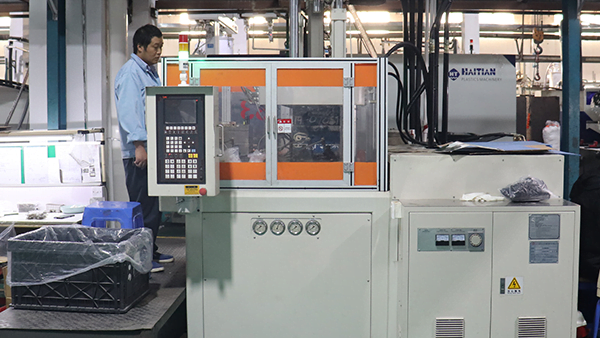
Ask the manufacturer to map the work it will perform to the actual product: component sourcing, plastic parts, electrical or electronic assembly, final assembly and product checks, where applicable. Request examples of the records that will be created for this project, such as incoming inspection, assembly instructions, functional-test criteria, nonconformance handling and lot identification. Verify equipment, staffing and process scope directly during a planned audit, with agreed access, confidentiality and safety requirements.
Review quality, changes and launch readiness
Agree who approves samples, how defects are reported and closed, and what evidence is retained for each production lot. Ask how revisions to drawings, components, suppliers, firmware or test criteria are reviewed and communicated before implementation. For products sold in regulated or safety-sensitive markets, identify the required compliance evidence with the responsible compliance team and confirm it for the exact model and destination; a supplier’s general certificate does not by itself establish product compliance.
Set commercial and after-sales terms
Put tooling ownership, maintenance, spare parts, warranty responsibilities, minimum order quantities, packaging, shipment terms and escalation contacts into the agreement. Before a volume order, align the approved sample, test plan, packaging standard and shipment release requirements. For robot vacuum programs, see DAYIN’s robot vacuum manufacturing service and robot vacuum OEM/ODM overview; for other product scopes, start with the ODM/OEM service scope.