




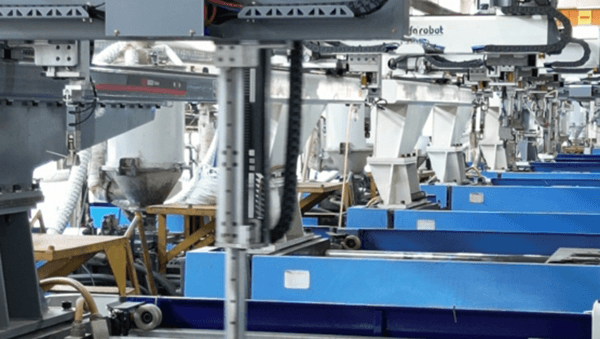
Currently, the injection mold production process is well-known. In plastic injection processing, especially in precision injection molding, there are several key considerations and process stages that DAYIN Plastic’s editor emphasizes:
- Injection Product Molding Cycle
The molding cycle of injection products includes both the injection time and cooling time. Effective control over these times significantly impacts product quality. Therefore, before starting production, it is essential to determine the product’s molding cycle through sample design and other preparatory methods. - Injection Mold Temperature
Different plastic pellets have varying crystallization temperatures and rates, which affect the product’s appearance, deformation, dimensions, and mold requirements. Consequently, mold temperature control becomes especially crucial when using different plastics and meeting specific product requirements.
- Injection Pressure of Molten Plastic
During the filling of the mold cavity, the molten plastic encounters considerable resistance, so the level of injection pressure directly affects the product’s dimensions, weight, density, and appearance. Any issues with these factors can result in product rejection. Therefore, injection engineers must set the injection pressure based on a comprehensive analysis of the product’s requirements. - Injection Speed
The speed of injection has a significant impact on the product’s surface quality. Injection speed is typically controlled by adjusting the oil supply rate to the injection cylinder per unit time.
DAYIN Plastics Products Co., Ltd. specializes in appliance mold manufacturing and provides OEM/ODM contract services, offering comprehensive manufacturing solutions that encompass both R&D and production. Our proprietary products include robotic vacuum cleaners, plastic tableware, and electronic dartboards. With 30 years of mold development experience, a team of over 50 R&D personnel, and more than 100 injection molding machines, DAYIN is committed to delivering high-quality manufacturing services and creating greater value for our clients.
The Tolerance Stack: Where Precision Is Actually Won
Precision in injection molding is not one achievement but a stack of tolerances, each earned at a different station:
| Station | Tolerance it contributes | What controls it |
|---|---|---|
| Mold steel machining | Cavity-to-cavity variation | CNC calibration and probing |
| Mold temperature uniformity | Part warp and shrink drift | Channel design and control loops |
| Shot-to-shot repeatability | Weight and fill variation | Machine hydraulics, switchover logic |
| Post-mold handling | Distortion after ejection | Fixtures and cooling discipline |
The stack teaches its most useful lesson during root-cause work: when a dimension drifts, the guilty station is rarely the one nearest the measurement. A warp discovered at inspection may trace to channel design made months earlier, which is why operations that log process parameters per shot, not just per batch, close the loop between cause and effect. Precision also compounds across the tool’s life — steels wear, vents clog, and the tolerance stack quietly loosens until a periodic capability study catches it. Buyers assessing a molder can ask to see the most recent capability study on a part similar to theirs; the answer, and the ease of producing it, separates precision shops from precision claims. The processing context behind these techniques is in China’s processing technology survey, and the tooling detail in custom mold structure. Reference: engineering tolerance and precision engineering.