




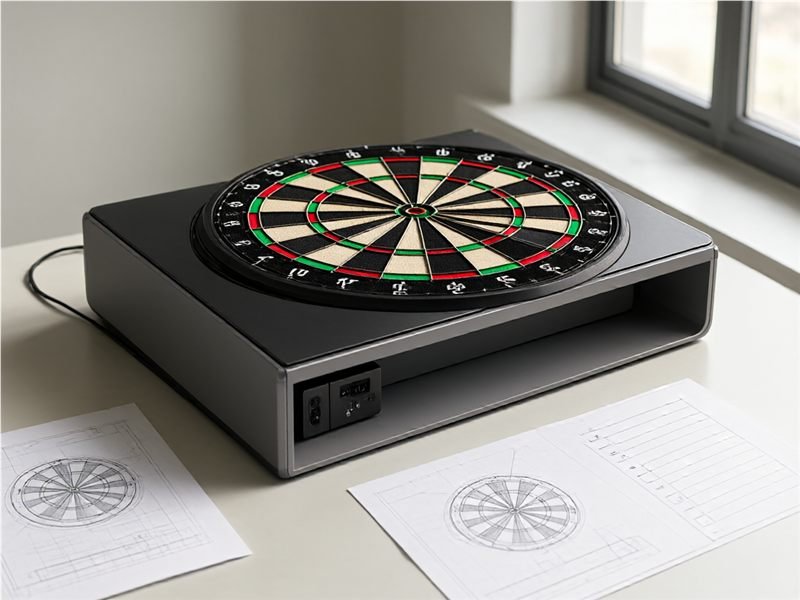
Quick answer: A buyer evaluating electronic dart board should begin with the intended use, current revision and measurable acceptance criteria. For verify scoring sensors, cabinet and power, connect the design or configuration to supplier capability, a representative sample and a controlled production handoff. The right option depends on the actual operating conditions; a general capability statement does not qualify a specific model or part.
1. Define what electronic dart board covers
The phrase electronic dart board describes a market category, while a purchase decision needs a defined product or service boundary. This guide applies the term to Electronic Dart Board: Verify Scoring Sensors, Cabinet and Power: what is being made, what it must connect to, how it will be used and which results make a sample acceptable. State what is included in the quote and mark every open assumption with an owner and due date.
2. Set the use conditions first
Describe the environment in which the dartboard, cabinet or electronic game configuration will operate. Identify its user, interfaces, material or software conditions, expected service needs and destination market. Note which factors can change the result, such as load, temperature, surface, network, site, tooling revision, process route or packaging. Separate mandatory requirements from preferences so a supplier does not have to infer the priority.
- player group, skill level, venue and intended use frequency
- board type, target dimensions, cabinet format and mounting method
- scoring interface, display behavior, button layout and power requirements
- included darts, flights, shafts, mounting parts, instructions and spares
- surface finish, packaging drop and transit assumptions, and labeling language
- sample test sequence, scoring acceptance, cosmetic limits and service route
3. Validate the electronic dartboard and cabinet configuration
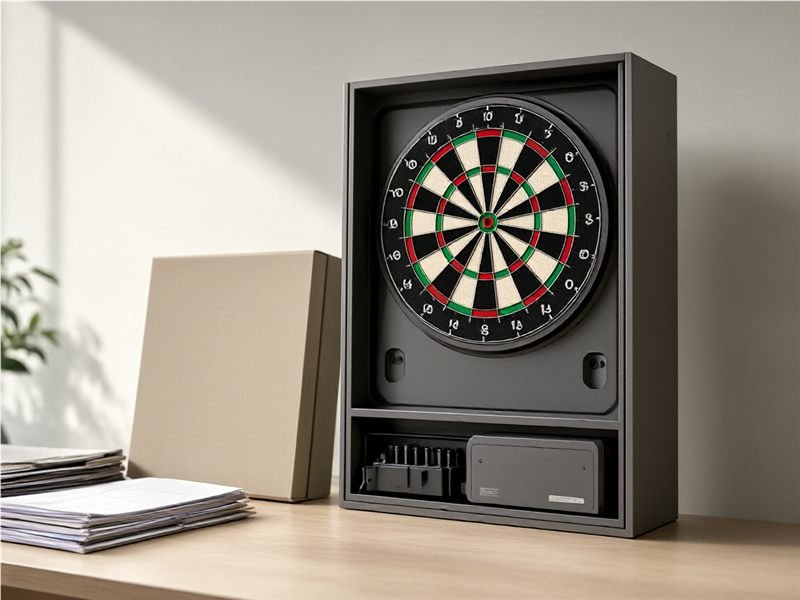
Define the cabinet and scoring system as one deliverable with an agreed test routine and service plan.
- Scope: List board segments, sensor inputs, controller, display, cabinet, power needs, model options and venue use.
- Evidence: Request a working-sample test for scoring inputs, controls, restart behavior, cable routing and access to replaceable parts.
- Approval: Approve the model configuration, hardware revision and spare-parts list before packaging release.
4. Check design and process fit

A dartboard product should be evaluated as a player system, not only as a face or cabinet. Confirm the board format, mounting height and fixing method, throwing distance guidance supplied by the brand, available room, lighting and how the product will be used. For electronic models, specify the control panel, scoring sequence, display behavior, power arrangement and reset path as observable requirements.
5. Qualify the supplier and sample
Confirm who performs each step, at which site and under whose quality ownership. A capability review should connect the process and equipment to the material, geometry, finish and tolerance in the brief. Ask for relevant evidence, while treating a past project as context rather than proof for this configuration. Record any subcontractor and the evidence returned to the main supplier.
Use a repeatable sample trial. Record the model and revision, test setup, number and type of throws, scoring response, button sequence, sound or display behavior, mounting fit and any missed or ambiguous inputs. For a cabinet model, inspect door alignment, hinge movement, cable routing and access to service parts. A single demonstration is not enough to establish repeatability across the board area.
6. Make acceptance repeatable
Acceptance can cover board surface, segment response, cabinet fit, finish, controls, power, accessories and pack contents. Write a simple test script that another reviewer can repeat, including the expected score or behavior for each step. For appearance, define inspection lighting, viewing distance and acceptable marks; for pack-out, reconcile each accessory with the approved bill of materials.
| Requirement | Method | Approval record |
|---|---|---|
| Fit or interface | Assembly or installation trial | Mating item, revision and result |
| Function | Repeatable operating sequence | Conditions and observed behavior |
| Appearance | Stated lighting and viewing rule | Reference photo or sample |
| Packaging | Production-intent pack check | Count, labels, barcode and revision |
7. Compare cost and lead-time assumptions
Compare the complete sellable set rather than the board alone. Separate board or cabinet, electronics, darts and spares, packaging, testing, artwork, service parts and freight. Confirm whether a requested logo or color change affects only artwork or also requires tooling, component, software or sample approval. Quote alternatives against the same contents and acceptance checklist.
Ask for milestones and dependencies as well as a price: design freeze, tool or configuration review, sample, correction, approval, packaging release and shipment readiness. Separate one-time engineering or tooling from recurring material, production, inspection, packaging and freight. The calendar depends on complexity, information completeness, supplier capacity and review cycles; request assumptions rather than treating one date as universal.
8. Keep handoff and change control visible
At release, pass the approved model code, board or cabinet revision, scoring test, accessory list, mounting instructions, packaging artwork and service-parts route to purchasing and customer support. Keep replacement parts and control-panel revisions traceable. If the product is installed in a venue, provide the site owner with the agreed mounting and service notes rather than relying on informal assembly instructions.
Treat the approved state as a baseline. Ask for review before a change to drawing, material, tool, component, site, software, process or package is used. Record the change scope, effective date, required retests, inventory impact and authorized approver. Update the controlled file and notify every team that uses it so a temporary deviation does not become an undocumented permanent specification.
9. Risks to resolve before release
Typical commercial risks are unclear model variants, a mounting kit that does not match the installation, scoring behavior that was checked only once, accessory substitutions, unreadable instructions or carton damage. Record the exact variant and the conditions tested. If the product is sold into different venues or retail channels, make regional labels and language review a separate release item.
Close each open item with an owner and evidence. The most useful answer identifies the condition under which a result was obtained, the limit of the sample and the next action if the requirement is not met. This keeps a sourcing decision transparent for engineering, procurement, receiving quality and customer support.
10. A practical approval sequence
Use short gates with a recorded input and output:
- Confirm use conditions, interfaces, destination and current revision.
- Ask suppliers to quote the same scope and label assumptions or exclusions.
- Review process, design, site, tooling, software and packaging dependencies.
- Agree sample quantity, test conditions, measurement method and approver.
- Record results, open issues, deviations and the approved reference state.
- Release production only after traceability, packaging and change ownership are clear.
That sequence supports a sound electronic dart board decision because it connects the requirement to evidence before an order is released.
Frequently asked questions
What should a buyer request first for electronic dart board?
Start with the product definition, intended use, interfaces, quantity assumptions and acceptance method. Ask the supplier to list missing information and quote assumptions explicitly.
How many samples are enough?
There is no universal count. Agree the number based on the decision, variation risk, process stage and test method; record IDs and conditions so results can be repeated.
Does a general capability statement qualify a specific project?
No. It can help shortlist a supplier, but the buyer should verify the exact material, geometry, site, configuration and acceptance level with relevant evidence.
What should the approval record contain?
Keep the approved revision, sample conditions, inspection results, packaging state, deviations, approver and change-notification route in one controlled file.
Final buyer checklist
Before ordering electronic dart board, confirm that scope, evidence and ownership agree. A focused approval file lets procurement compare suppliers, engineering protect the design and operations recognize what to inspect.
- Model and revision are named.
- Use conditions and interfaces are documented.
- Quote scope and exclusions are visible.
- Sample reflects the intended material and route.
- Acceptance methods and approvers are agreed.
- Packaging, traceability and support are addressed.
- Changes and deviations have named owners.
For related specifications and supplier scope, review electronic dart board before final approval.