




Pre-shipment inspection is where importers either catch problems cheaply or discover them in one-star reviews. The AQL framework — Acceptable Quality Limit — is the industry’s shared language for “how many defects are too many”, and it works for plastic consumer goods as well as it works for apparel. This guide translates AQL into concrete checks for the product types plastic-goods buyers actually ship: dartboards, tableware, pet feeders and small appliances.
The framework only protects you if the acceptance criteria are specific. “Good quality” is not a criterion; “no more than 2 major defects per 200 units sampled, where major includes flash visible at arm’s length” is. Pair this guide with your OEM checklist — the electronic dartboard manufacturer checklist — and inspection becomes a gate, not a formality.

How AQL Sampling Works in Practice
AQL inspection follows a standard lot-sampling logic: you do not inspect everything; you inspect a statistically derived sample and accept or reject the lot based on defect counts. Three numbers define your plan:
- Lot size: units in the shipment (per SKU, per container).
- General inspection level: Level II is the default for most consumer goods; Level I when a lighter check is acceptable, Level III for high-value or first-time suppliers.
- AQL values: commonly 2.5 for major defects and 4.0 for minor defects on general consumer goods; 1.0–1.5 for critical-adjacent categories. Children’s products usually justify the tighter end.
Technical background: AQL plans descend from the statistics of acceptance sampling developed for industrial procurement, and defect classification works because consumer product safety failures concentrate in predictable places — a fact you can verify by plotting your returns on a defect concentration diagram and watching the clusters form.
Defects are classified as critical (safety or regulatory failure — sharp edges, a cracked component, wrong plug), major (a customer would return it — dead segment on a dartboard, unstable base, wrong color on visible parts) and minor (noticeable only on close inspection — light scuff on a hidden face, slight gate mark inside the rim).
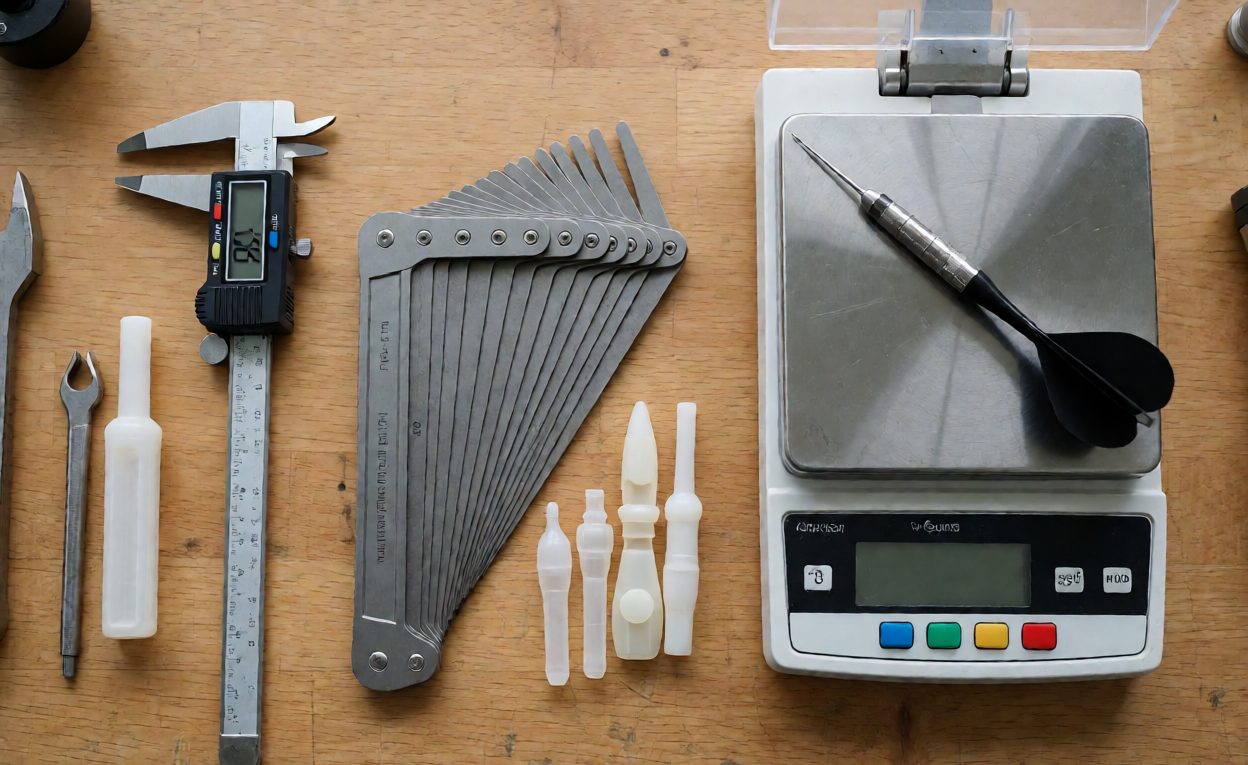
Defect Catalogues by Product Type
Generic checklists miss product-specific failure modes. Write these into your inspection standard:
- Electronic dartboards: power-on test per sampled unit, segment registration score with sample darts, display and sound check, adapter fit, bounce-out spot check, cabinet alignment.
- Children’s tableware: edges and burrs by touch, base stability, printing durability wipe test, color against the golden sample, and any food-contact surface condition. Safety documentation links back to the FDA/LFGB sourcing standard.
- Pet feeders: dispensing test with actual kibble size, lid and latch cycling, cable strain relief, stability when bumped, and programming smoke test for electronic models. Function beats cosmetics: a feeder that jams is a return regardless of looks, and buyers comparing automatic feeder models rank reliability first.
- Dart accessories and cabinets: hardware completeness against the pack list, hinge cycling, finish scuffs on visible faces.
Writing Criteria a Factory Can Act On
The most common inspection failure is not the inspector’s — it is the buyer’s vague standard. Fix it with three documents: a defect catalogue with photos of each defect class, a golden sample (sealed, signed, dated) for visual comparison, and the AQL plan stated on the purchase order. When these three exist, a third-party inspector, the factory QC and you will reach the same verdict on the same carton.
Also decide the consequence ladder in advance: reject at AQL means 100 percent rework and re-inspection at factory cost; a second consecutive rejection triggers a root-cause review with corrective action deadlines. Factories respect buyers whose rules are predictable.

After the Shipment: Closing the Loop
Log every defect found, with photos and counts, and share the report with the factory within a week — even for passed shipments. Defect trends across shipments are the earliest warning of a drifting line, and they give you evidence for the next pricing negotiation. For products in the field, customer return reasons map surprisingly well onto inspection defect classes, and that mapping tells you which catalogue entries to tighten next season. Ongoing categories like dartboard care also generate feedback you can feed back into design, not just inspection.
What AQL level should I use for plastic consumer goods?
Commonly AQL 2.5 for major and 4.0 for minor defects at General Inspection Level II. Use tighter values (1.0-1.5 major) for children’s products or a new supplier, and add critical-defect acceptance of zero in all cases.
What is the difference between critical, major and minor defects?
Critical: safety or regulatory failure — automatic rejection. Major: the customer would return or complain — dead function, visible damage, wrong color. Minor: noticeable only on close inspection. Your catalogue should give photo examples of each class per product.
Should I inspect every unit of electronic products?
Full function testing on every electronic unit is common and affordable for products like dartboards and pet feeders — a power-on and basic function check per unit, with full AQL sampling for cosmetic and packaging criteria. Pure sampling on electronics misses intermittent faults.
Who pays for rework after a failed inspection?
Standard terms: the factory pays for sorting, rework and re-inspection when the lot fails AQL. State this in the purchase order along with the re-inspection method, because the cost of a failed inspection should never be negotiable after the fact.
What is a golden sample and why do I need one?
A sealed, signed reference unit approved by both sides, kept for comparison during inspection. It converts “looks wrong” arguments into a physical comparison, and it protects you when personnel change on either side of the ocean.
Can third-party inspectors use my defect catalogue?
Yes — and you should require it. Send the catalogue, golden sample reference and AQL plan to the inspection company with the booking. Inspectors follow written standards well; they cannot follow your unstated expectations.
How do inspection results feed back into product quality?
Track defect types across shipments and map customer returns to the same classes. Trends justify design changes, packaging changes or supplier conversations — and they turn inspection from a gate into an improvement engine.