


Blog
Robot Vacuum Pet Hair Pickup: OEM Test and Design Guide
A B2B test guide for robot-vacuum pet-hair pickup, brush wrap, airflow, bin fill and maintenance on production-equivalent units.

 English
A B2B test guide for robot-vacuum pet-hair pickup, brush wrap, airflow, bin fill and maintenance on production-equivalent units.

A B2B guide to robot vacuum noise testing: choose an applicable method, define each robot and operating state, then compare documented results against agreed criteria.

A B2B checklist for verifying a robot vacuum platform, feature claims, app support, market documents, sample tests and after-sales terms.
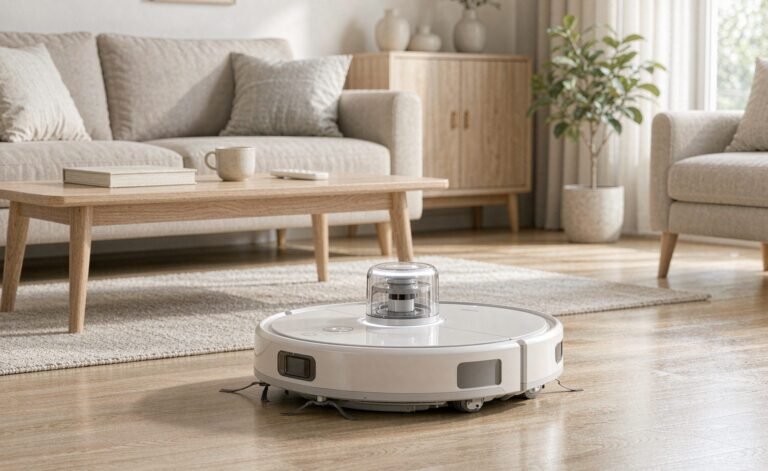
A B2B guide to comparing LiDAR, camera-based visual SLAM, reactive or random paths, and hybrid stacks—plus the mapping, coverage, recovery and software evidence to request in an OEM RFQ.
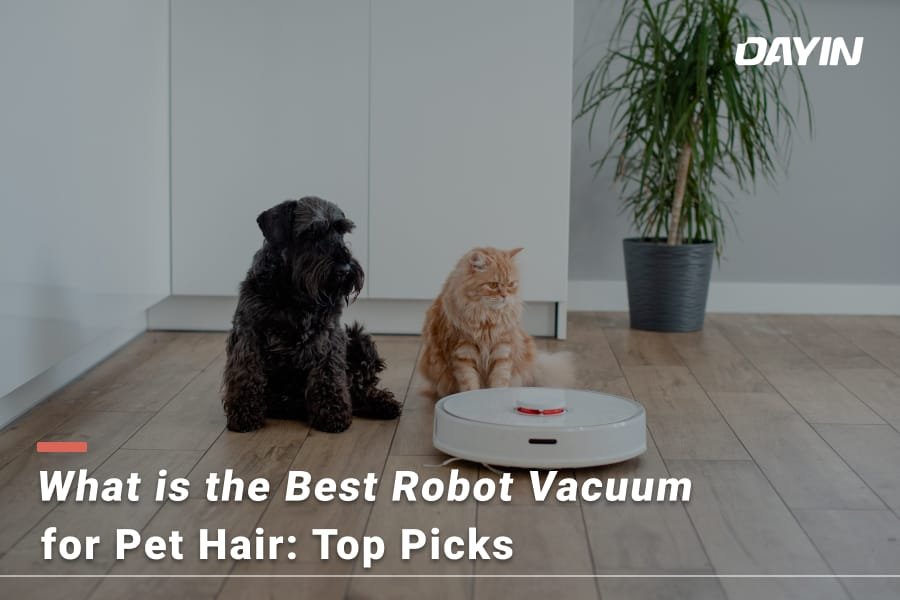
A B2B checklist for defining pet-hair pickup conditions, brush and maintenance requirements, and repeatable sample tests for robot vacuum OEM/ODM projects.

A B2B guide to defining a robot vacuum product brief, feature matrix, software scope, validation plan, packaging and supplier RFQ.

A B2B buyer checklist for defining robot vacuum OEM/ODM scope, model configuration, sample validation, software, market requirements, and RFQ inputs.
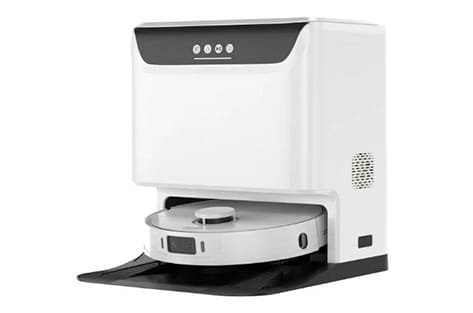
B2B guide to self-emptying robot vacuum specs: align the robot, dock, dust bag, test plan, packaging, service parts and approved claims by model.

Robot vacuum navigation is a product requirement, not a single feature label. For an OEM project, the specification should describe how the intended model behaves in representative spaces, which configuration and software are being tested, and...
A robot vacuum is a connected system: the chassis, navigation sensors, cleaning hardware, firmware, dock and customer app must work together. A feature name such as “mapping” does not tell a buyer how the specific model behaves in the intended home or how it recovers from a failed run.
For OEM/ODM discussions, put the accepted behavior and model revision in writing. Navigation, dock and app performance should not be assumed from a component list or from another model in the range.
Why test the dock and robot as one sample? A robot may navigate correctly yet fail to align, charge or transfer dust reliably at its base.